


For families in Virginia navigating an autism diagnosis, finding the right support can feel overwhelming. But for more and more parents in Newport News, Richmond, and across the state, home-based ABA therapy in Virginia has become the answer, not just because of its clinical track record, but because of what it feels like in practice: expert, individualised care delivered inside the family home, on the family’s terms.
Applied Behavior Analysis (ABA) therapy is a proven, evidence-based method for helping children with autism develop communication skills, build independence, reduce challenging behaviours, and connect more fully with the world around them. When that therapy happens at home, its impact is amplified — because children are learning in the place where they are most relaxed, most themselves, and most able to grow.
The Advantages of Home-Based ABA Therapy
Personalized and Family-Centered Care
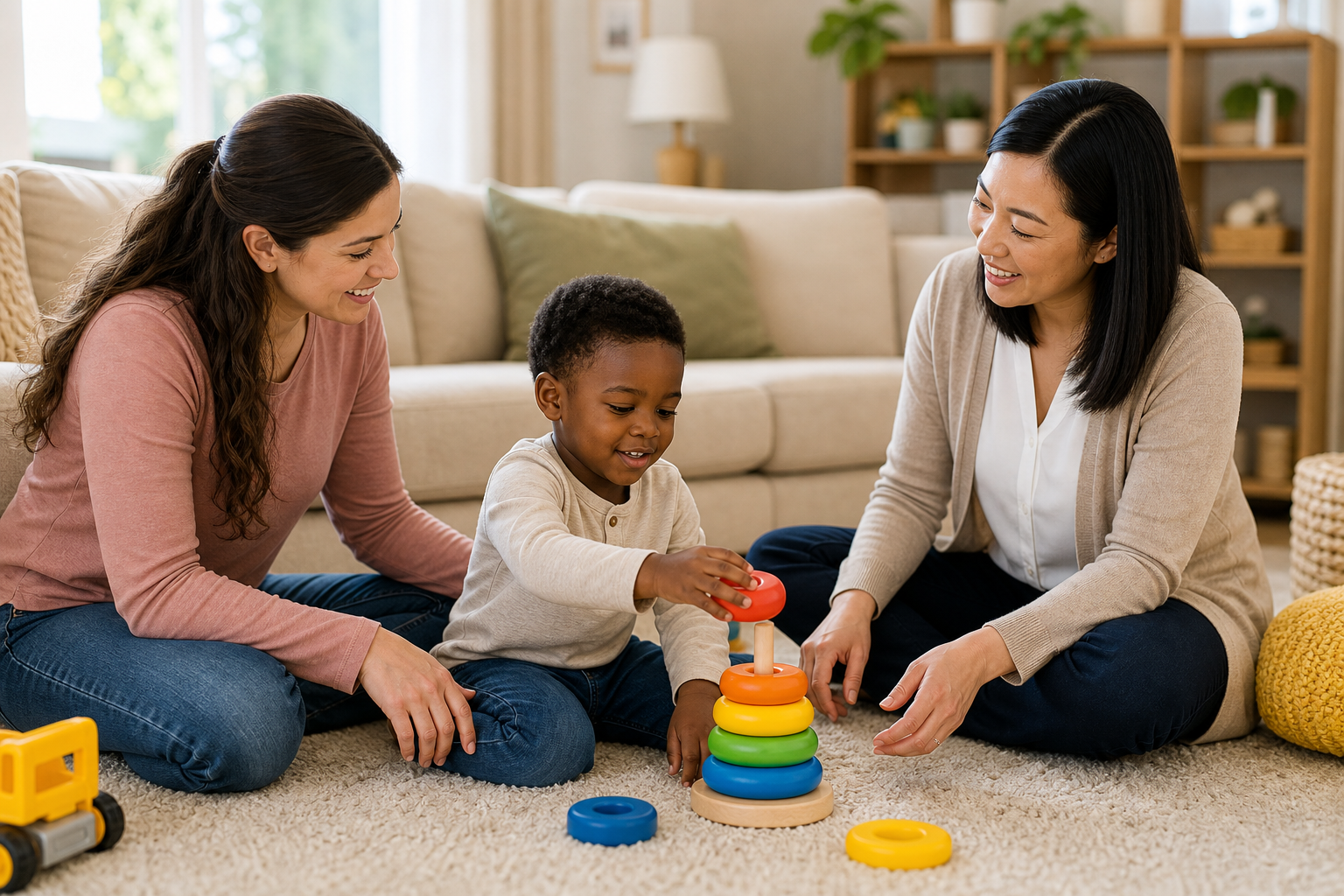
In-home ABA therapy services at Perfect Pair ABA are built around each child as an individual. Therapists work closely with parents to design treatment plans that reflect the child’s developmental goals, daily routines, and family environment. Unlike clinic-based programmes that follow a fixed structure, home-based ABA is shaped by what this child, in this home, actually needs.
A tailored approach also means interventions are practised in the real context where they matter, which dramatically increases the chance that skills stick and generalise to other settings like school and the community.
Familiar and Comfortable Environment
Many children with autism thrive in predictable environments. Home is the most predictable of all and it is where children are least likely to experience the anxiety that can arise in clinical or unfamiliar settings. When therapy happens where children feel safe, they engage more readily, participate more actively, and progress more consistently.
For children who find transitions difficult, the elimination of a clinic visit is itself meaningful. Arriving somewhere new, adapting to a different space, and then trying to learn — that’s a lot to ask. Home removes those barriers entirely.
Involvement of Family Members
One of the most significant advantages of home-based ABA is how naturally it draws families in. Through parent training for ABA, caregivers gain the knowledge and confidence to reinforce the same strategies their child’s therapist is using, across mealtimes, bedtime routines, play, and every moment in between. This creates genuine continuity: the child is supported not just during sessions, but throughout their full day.
Siblings and other household members can also become part of the support system, learning how to interact in ways that reinforce positive behaviour and build connection rather than inadvertently triggering frustration.
Convenience and Flexibility
Virginia families have busy lives. Clinic-based therapy adds commuting time, waiting room time, and scheduling constraints that can make consistent attendance difficult. Home-based therapy removes those frictions — sessions are scheduled around the family, not the other way around, and can be arranged for times when the child is most alert and ready to engage.
For parents with multiple children, demanding work schedules, or limited access to transport, this flexibility is not just a convenience – it is what makes consistent therapy possible at all.
Generalization of Skills in Real-Life Settings
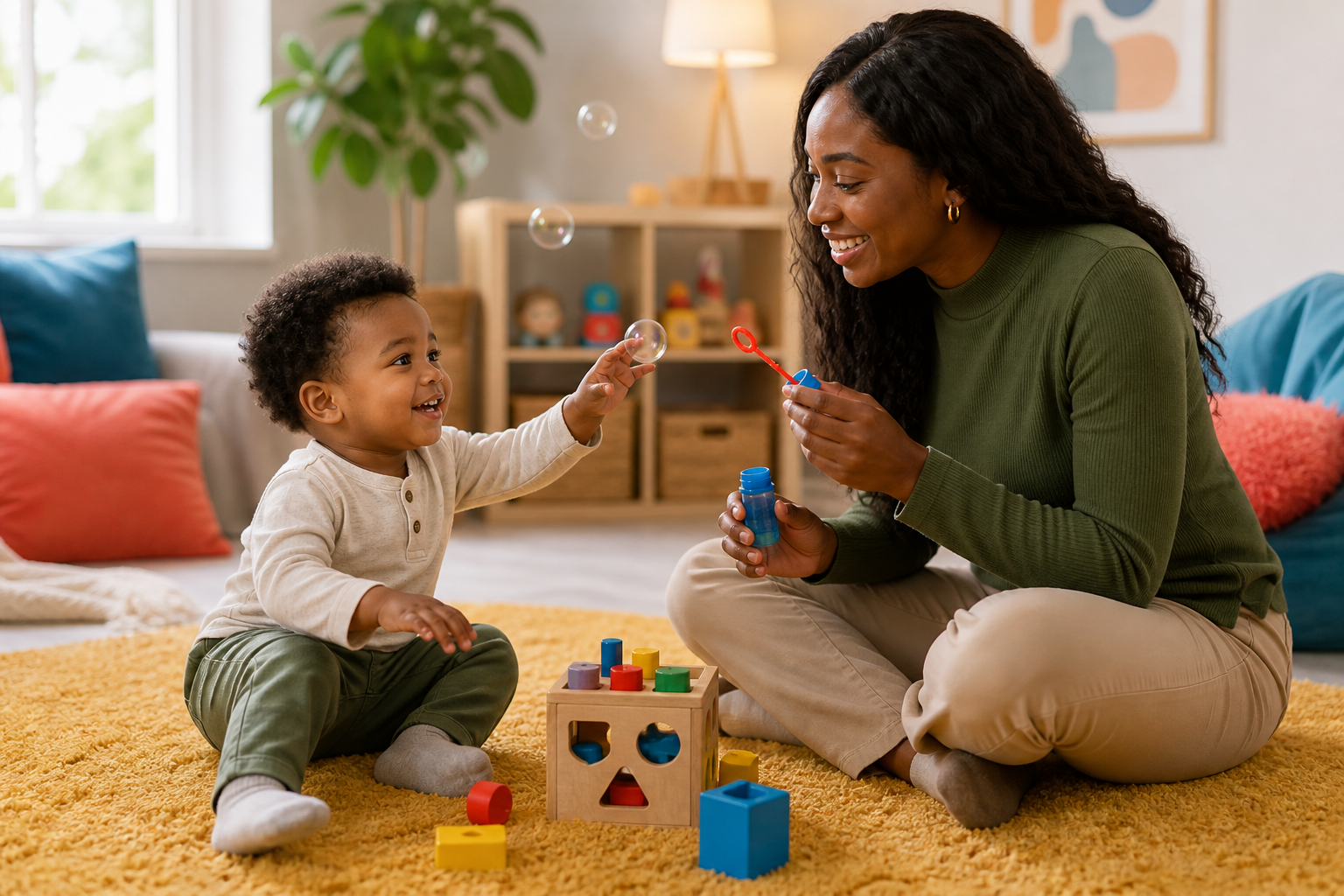
One of the core goals of ABA is generalisation: making sure skills learned in therapy show up in real life. Home-based therapy takes that seriously by design. Therapists do not work in a vacuum – they use mealtimes, play, household tasks, and daily routines as the setting for learning. A child who practises requesting their favourite snack verbally at home is far more likely to use that same language at school or with friends.
How Home-Based ABA Therapy Supports Development
Improved Communication Skills
Communication is often where families see the most immediate gains. ABA therapists use modelling, prompting, and reinforcement to build both verbal and non-verbal communication helping children express their needs, engage with others, and navigate social situations with greater confidence. For children who are pre-verbal or minimally verbal, therapists may introduce alternative communication methods such as picture exchange systems or speech-generating devices.
Behavioral Improvement
Addressing challenging behaviours like tantrums, aggression, repetitive actions, avoidance, is a central focus of ABA. Rather than simply trying to reduce these behaviours, therapists work to understand their function: what is the child communicating, and what can they be taught to do instead? Behaviour intervention plans replace problematic responses with more adaptive ones, improving the child’s relationships with family members, teachers, and peers.
Social Skill Development
Social skills develop most naturally in social settings and home is the original one. ABA therapy supports children in learning turn-taking, sharing, reading emotions, and initiating play with others. Structured play sessions, role-playing activities, and social stories help children practise these skills in a low-pressure environment before applying them in the wider world.
Independence and Life Skills
Every milestone of independence like getting dressed independently, brushing teeth, preparing a simple snack, matters enormously for a child’s confidence and a family’s daily life. ABA therapy breaks these tasks into manageable steps, teaches them through repetition and positive reinforcement, and celebrates each one as the genuine achievement it is.
Home-Based ABA Therapy: A Growing Need in Virginia

Perfect Pair ABA currently supports families across Virginia, with particular strength in the Newport News and Richmond areas. If you are searching for in-home ABA therapy in Newport News, VA, our therapists work directly within your home bringing consistent, BCBA-supervised care into the environment where your child already feels most comfortable. Newport News families benefit from flexible scheduling that accommodates the rhythms of life in the Hampton Roads area, with therapists who understand the local community and the practical realities families face.
In Richmond, families accessing in-home ABA therapy in Richmond, VA through Perfect Pair ABA work with therapists who come to them, whether they’re based in the West End, the Southside, or surrounding communities like Henrico and Chesterfield. Richmond’s in-home ABA caseload has grown steadily as more families discover the difference that personalised, home-delivered therapy makes versus waiting for a clinic slot that may be weeks or months away.
Whether your child is in Newport News, Richmond, or another Virginia community, in-home ABA therapy services from Perfect Pair ABA provide the same standard of care: BCBA-designed programmes, consistent RBT delivery, and parent training that makes the whole family part of the solution.
What to look for in a Home-Based ABA Therapy Provider
Not all ABA providers are equal. When choosing a provider in Virginia, consider:
- BCBA oversight: Every programme should be designed and supervised by a Board Certified Behavior Analyst.
- Parent involvement: A good provider actively trains parents and keeps them central to the process.
- Personalised plans: Avoid providers who use the same template for every child. Your child’s plan should be specific to them.
- Clear progress tracking: Data collection and regular reviews are non-negotiable in quality ABA.
- Insurance support: Look for providers experienced in navigating Virginia Medicaid and private insurance.
Conclusion
Home-based ABA therapy gives Virginia families something invaluable: expert, consistent support that meets children in their own world and builds from there. For families in Newport News, Richmond, and beyond, it removes barriers, deepens family involvement, and produces the kind of real-world progress that clinic-based therapy can struggle to replicate.
If you are ready to explore home-based ABA therapy for your child, Perfect Pair ABA is here to help. Contact us today to learn about availability in your area and how we can build a programme tailored to your family.
FAQs
What is home-based ABA therapy?
Home-based ABA therapy is a specialized form of Applied Behavior Analysis (ABA) therapy provided in a child’s home. It helps children with autism develop communication, social, and daily living skills in a familiar and comfortable environment.
How does home-based ABA therapy benefit my child?
Home-based ABA therapy offers personalized, one-on-one intervention tailored to your child’s specific needs. It allows for skill-building in a natural setting, reduces stress from transitions, and involves parents in the therapy process for better reinforcement.
Who provides home-based ABA therapy?
ABA therapy is provided by trained professionals, including Board Certified Behavior Analysts (BCBAs) and Registered Behavior Technicians (RBTs). BCBAs design therapy plans, while RBTs work directly with children to implement these strategies.
How often should my child receive home-based ABA therapy?
The frequency of therapy depends on the child’s individual needs. Some children may benefit from 10-15 hours per week, while others may require 20-40 hours for more intensive intervention. A BCBA will assess and determine the best plan for your child.
Is home-based ABA therapy covered by insurance in Virginia?
Yes, many insurance providers in Virginia cover home-based ABA therapy. However, coverage may vary depending on your specific insurance plan, so it is important to check with your provider about eligibility and reimbursement options.
How do I find a qualified home-based ABA therapist in Virginia?
You can look for licensed ABA therapy providers in your area through referrals from pediatricians, autism support groups, or online directories. Make sure the provider has experienced BCBAs and a good track record of successful therapy outcomes.
Can parents be involved in home-based ABA therapy?
Yes! Parental involvement is encouraged. Parents learn ABA techniques to reinforce skills outside of therapy sessions, helping their child make consistent progress in daily life.
What is the difference between home-based ABA therapy and clinic-based ABA therapy?
Home-based ABA therapy takes place in the child’s natural environment, making it easier for them to apply learned skills in real-life situations. Clinic-based treatment occurs in a structured setting and may focus more on group interactions and controlled learning environments.
What skills can my child learn from home-based ABA therapy?
Home-based ABA therapy helps children develop a range of skills, including:
- Communication and language skills
- Social interactions
- Self-care and daily living tasks
- Behavior management and emotional regulation
- Play and leisure skills
How long does it take to see progress in ABA therapy?
Each child progresses at their own pace. Some may show improvements in a few weeks, while others may take months to develop new skills. Consistency and parent involvement play a crucial role in the effectiveness of therapy.