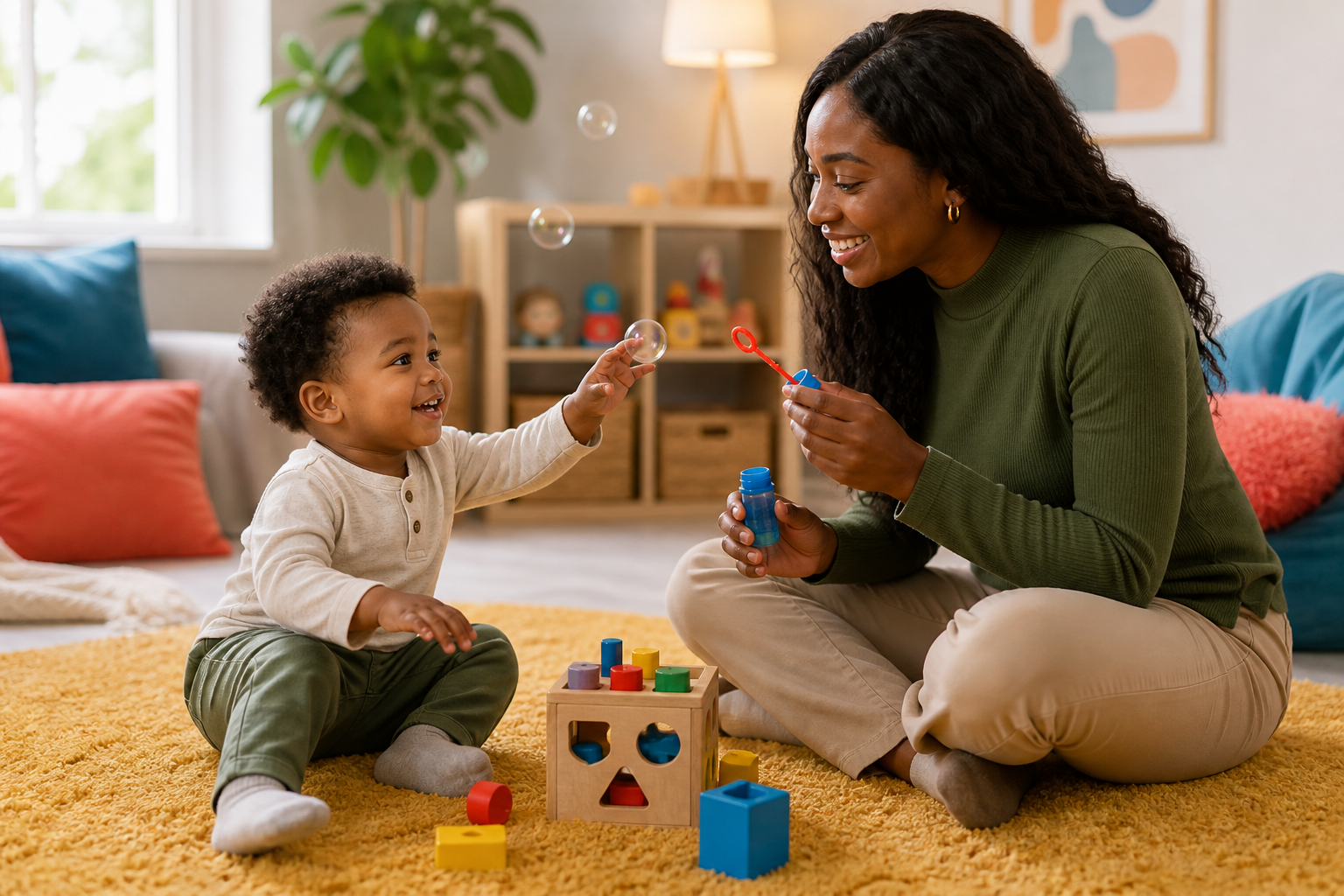



Applied Behavior Analysis (ABA) has become one of the most evidence-based approaches to improving learning and behavior in children across various settings. While much of the focus often centers on home-based therapy or clinical sessions, the classroom environment is equally significant. ABA in the Classroom bridges the gap between therapy and education by fostering meaningful collaboration between teachers and therapists. This partnership ensures that strategies are consistent, students receive the right support, and learning outcomes are optimized.
In this article, we’ll explore how ABA strategies can be successfully integrated into classroom settings, the roles of teachers and therapists, and why collaboration is essential to helping children thrive.
Understanding ABA in the Classroom
At its core, ABA is a science that uses data-driven methods to increase positive behaviors and decrease behaviors that interfere with learning. When implemented in a classroom, ABA goes beyond individual therapy and supports both academic and social development.
The classroom presents unique challenges and opportunities. Unlike the home environment, where therapy may be more individualized, classrooms require balancing group learning with personalized interventions. Here, teachers and ABA therapists work hand in hand to adapt methods to meet both individual student needs and broader class goals.
The effectiveness of ABA in the Classroom lies in consistency. When teachers and therapists collaborate, students encounter the same strategies across different environments, reinforcing skills and making them more likely to generalize behaviors and knowledge.
Why Collaboration Matters
1. Consistency Across Environments
Children often learn one way in therapy but struggle to transfer those skills to the classroom. Collaboration between teachers and therapists ensures that the same prompts, reinforcements, and interventions are applied in both spaces.
2. Shared Expertise
Teachers bring expertise in curriculum, group instruction, and classroom management, while therapists bring knowledge of behavioral strategies and data collection. By combining their strengths, they create a holistic approach that benefits every student.
3. Early Identification and Intervention
Teachers spend hours each day with students, often noticing challenges before anyone else. With open communication, therapists can step in to design individualized supports quickly, preventing problems from escalating.
4. Improved Student Outcomes
Research consistently shows that when professionals collaborate, student engagement, social interactions, and academic progress improve significantly.
Roles of Teachers in ABA Integration
Teachers play a vital role in applying ABA principles in the classroom. Their responsibilities include:
- Implementing Strategies: Teachers apply reinforcement systems, prompting, and data collection methods recommended by therapists.
- Monitoring Progress: By observing daily behaviors, teachers provide valuable feedback that informs therapy adjustments.
- Creating a Supportive Environment: Teachers foster inclusivity by encouraging peer interaction and supporting students’ participation in group activities.
- Communicating with Families: Teachers often act as a bridge between therapists and families, ensuring that strategies are reinforced at home.
Roles of ABA Therapists in Schools
Therapists also have critical responsibilities in classroom collaboration:
- Developing Individualized Plans: Based on assessments, therapists design interventions tailored to each student’s strengths and challenges.
- Training Teachers and Staff: Therapists provide professional development sessions, teaching educators how to implement ABA strategies effectively.
- Collecting and Analyzing Data: Therapists track student progress to ensure interventions are working and make adjustments when necessary.
- Modeling Interventions: By demonstrating strategies in real-time, therapists help teachers feel confident applying them independently.
Key Strategies for Successful Collaboration
1. Clear Communication
Regular meetings between teachers and therapists establish open communication channels. Whether weekly check-ins or monthly progress reviews, consistent dialogue ensures everyone is aligned.
2. Shared Goals
Both parties should define specific, measurable objectives for each student. Goals might include improving attention during group lessons, increasing peer interactions, or mastering academic skills.
3. Training and Coaching
Therapists can offer on-the-job coaching, modeling techniques such as prompting or reinforcement during live lessons. Teachers benefit by gaining practical, hands-on experience.
4. Data-Driven Decisions
Tracking student progress is vital. Teachers collect observational data, while therapists analyze it to identify trends and adjust interventions. This ensures that strategies are effective and evidence-based.
5. Flexibility
Classroom environments are dynamic. Teachers and therapists must adapt interventions to fit group settings while still maintaining fidelity to ABA principles.

Examples of ABA Strategies in the Classroom
- Positive Reinforcement: Rewarding students for appropriate behavior encourages repetition. For example, verbal praise or earning a token for completing assignments.
- Visual Supports: Schedules, charts, and visual cues help students understand expectations and reduce anxiety.
- Task Analysis: Breaking complex tasks into smaller, manageable steps allows students to succeed incrementally.
- Prompting and Fading: Teachers provide guidance and gradually reduce support as students gain independence.
- Peer Modeling: Encouraging students to learn from peers fosters social development and group participation.
Benefits for Students
The collaboration of teachers and therapists brings tangible benefits for students:
- Enhanced Academic Skills: Consistent reinforcement of learning objectives increases academic success.
- Improved Social Skills: Structured peer interactions and reinforcement promote positive relationships.
- Increased Independence: Strategies like task analysis and prompting enable students to perform daily activities more independently.
- Greater Confidence: Success in the classroom builds self-esteem, motivating students to take on new challenges.
Challenges and Solutions
Challenge 1: Limited Resources
Not all schools have access to full-time therapists. Solution: Schools can explore partnerships with community-based therapy organizations to provide support.
Challenge 2: Differing Priorities
Teachers focus on academics, while therapists may prioritize behavior. Solution: Align goals to integrate both areas, ensuring that behavior management supports academic learning.
Challenge 3: Communication Barriers
Busy schedules sometimes hinder collaboration. Solution: Use digital tools, shared progress notes, or scheduled planning sessions to maintain consistent communication.
The Broader Impact of ABA in the Classroom
Beyond individual student success, ABA in the Classroom benefits the entire school community. Teachers feel more confident managing diverse needs, classmates gain awareness and empathy, and families see consistent progress across settings.
In states like North Carolina, where families increasingly seek comprehensive support through options like school-based programs, collaboration is more crucial than ever. Parents searching for “ABA providers near me” often prioritize schools that demonstrate strong teacher-therapist partnerships. Likewise, while families may also use other models such as aba therapy in home North Carolina, aba therapy at home North Carolina, or aba home therapy North Carolina, the classroom remains a central place for children to apply and expand their skills in real-world contexts.
Building a Culture of Collaboration
The ultimate goal is to create a culture where teachers and therapists view themselves as teammates rather than working in silos. This requires administrative support, ongoing training, and shared commitment to student success.
When schools invest in collaboration, they lay the foundation for inclusive, supportive, and effective learning environments that extend far beyond academics. Students not only master essential skills but also gain the confidence and independence they need to thrive.
Conclusion
ABA in the Classroom is more than a therapy model; it’s a partnership between educators and therapists dedicated to student growth. By working together, they provide consistency, reinforce positive behaviors, and support both academic and social development. Families benefit from seeing progress in real time, while students experience success in ways that carry into every part of their lives.
At Perfect Pair ABA, we believe that collaboration is the cornerstone of success. Our services are designed to support not only families but also schools, ensuring that every child receives the tools they need for lifelong achievement.
FAQs
What does ABA in the Classroom mean?
ABA in the Classroom refers to applying Applied Behavior Analysis principles within a school setting. It involves teachers and therapists working together to create consistent strategies that support learning, behavior management, and social skill development. This collaboration helps students succeed academically and socially by ensuring the same techniques are reinforced across different environments.
How do teachers and therapists collaborate in school-based ABA programs?
In school-based ABA therapy North Carolina and other regions, collaboration includes setting shared goals, holding regular meetings, and using consistent strategies across the classroom. Teachers provide valuable daily observations, while therapists design individualized plans and analyze progress. Together, they ensure students receive consistent support, boosting outcomes both at school and at home.
How does ABA in the Classroom differ from home-based ABA therapy?
While ABA therapy at home North Carolina or aba home therapy North Carolina focuses on individualized learning in familiar environments, ABA in the Classroom emphasizes group learning, peer interactions, and applying skills in academic settings. Both models are effective, but classroom collaboration ensures that students generalize behaviors and apply them in real-world situations alongside peers.
What are the benefits of ABA in the Classroom for students?
The main benefits of ABA in the Classroom include improved academic performance, stronger social skills, and greater independence. Because teachers and therapists work together, students receive consistent reinforcement, which makes it easier to generalize skills across different settings. This teamwork helps children feel more confident and engaged in learning.
How can families support ABA strategies used in the classroom?
Families play a key role in reinforcing what students learn through ABA in the Classroom. Parents can communicate regularly with teachers and therapists, use similar strategies at home, and celebrate progress to motivate children. Many families who explore aba therapy in home North Carolina also find that classroom collaboration ensures skills are carried over between home and school environments.