


Raising children is always a rewarding yet challenging journey, but when it comes to kids with autism, the path can become even more complex. Parents often face unique challenges that require more than just love and dedication—they need a support system. Building a robust network of resources, professionals, and peers can significantly impact both the well-being of the child and the family as a whole.
Understanding the Challenges Parents Face
Parents of kids with autism often navigate a landscape filled with uncertainties. From understanding developmental milestones to managing behavioral challenges, the day-to-day responsibilities can be overwhelming. Unlike typical parenting challenges, these parents may also face increased stress, social isolation, and concerns about their child’s future independence.
Without a support system, these challenges can feel insurmountable. Many parents report experiencing emotional fatigue and frustration, which can affect the entire family dynamic. That’s why connecting with others who understand the journey is essential.
The Importance of a Support Network
A support network can take many forms, including family, friends, professionals, and community resources. Each type of support offers distinct benefits:
- Emotional Support: Talking to someone who understands the unique challenges of raising kids with autism can reduce feelings of isolation. Peer groups or parent mentors can provide encouragement and empathy.
- Practical Support: Assistance with daily routines, therapy appointments, and school communication can alleviate stress. Family members, trusted friends, or community volunteers can share responsibilities.
- Professional Guidance: Engaging professionals such as therapists, counselors, and educational specialists ensures children receive appropriate interventions and that parents are equipped with strategies to support development effectively.
Finding the Right Professionals
Professional support plays a crucial role in a child’s progress and a parent’s peace of mind. Applied Behavior Analysis (ABA) therapy is a highly effective approach for supporting kids with autism. Parents can seek professionals who provide in-home or school-based ABA therapy to ensure their child receives consistent and personalized care.
It’s important for parents to explore multiple options, such as connecting with local providers or researching online services that match their child’s needs. Establishing a strong relationship with these professionals allows parents to receive guidance, monitor progress, and adapt strategies as their child grows.
Leveraging Community Resources
Many communities offer resources specifically designed to support families raising kids with autism. These may include:
- Parent Support Groups: Meeting regularly with other parents allows for the exchange of advice, experiences, and encouragement.
- Workshops and Seminars: Learning about behavior management, educational advocacy, and therapy techniques empowers parents to make informed decisions.
- Recreational Programs: Social programs or activities tailored to children with unique developmental needs provide opportunities for skill-building and social interaction.
By tapping into community resources, parents gain access to a wealth of knowledge and shared experiences that can make the journey less isolating.
The Role of Family and Friends
While professional guidance is vital, the importance of family and friends should not be underestimated. Close relatives and trusted friends can provide emotional encouragement, help manage daily responsibilities, and serve as allies in advocating for the child’s needs.
Parents often find that involving siblings in supportive activities helps strengthen family bonds and creates a positive environment. Even small gestures, such as providing respite care or assisting with household tasks, can have a meaningful impact on the overall well-being of the family.
Benefits of a Strong Support System
Building a support system offers numerous advantages for both the child and the parents:
- Reduced Stress: Sharing responsibilities and gaining emotional support decreases parental burnout.
- Improved Parenting Skills: Learning from others and professionals helps parents implement effective strategies at home.
- Enhanced Child Outcomes: Consistent interventions and guidance promote better developmental progress and behavioral improvements.
- Sense of Community: Being part of a supportive network fosters hope, resilience, and motivation to continue the journey with confidence.
Strategies for Building Your Network
Creating a meaningful support system requires intentional effort. Here are some strategies to consider:
- Connect with Local Organizations: Research nonprofit organizations and advocacy groups focused on supporting families of kids with autism.
- Join Online Communities: Online forums and social media groups can provide access to advice, resources, and virtual support.
- Seek Parent Mentors: Experienced parents can offer guidance and reassurance, sharing strategies that have worked for their families.
- Collaborate with Schools and Therapists: Maintain open communication with teachers, therapists, and healthcare providers to ensure a cohesive approach to your child’s development.
Overcoming Barriers
While building a support system is invaluable, parents may face obstacles such as time constraints, financial pressures, or difficulty finding trustworthy resources. Overcoming these barriers requires prioritization and creativity.

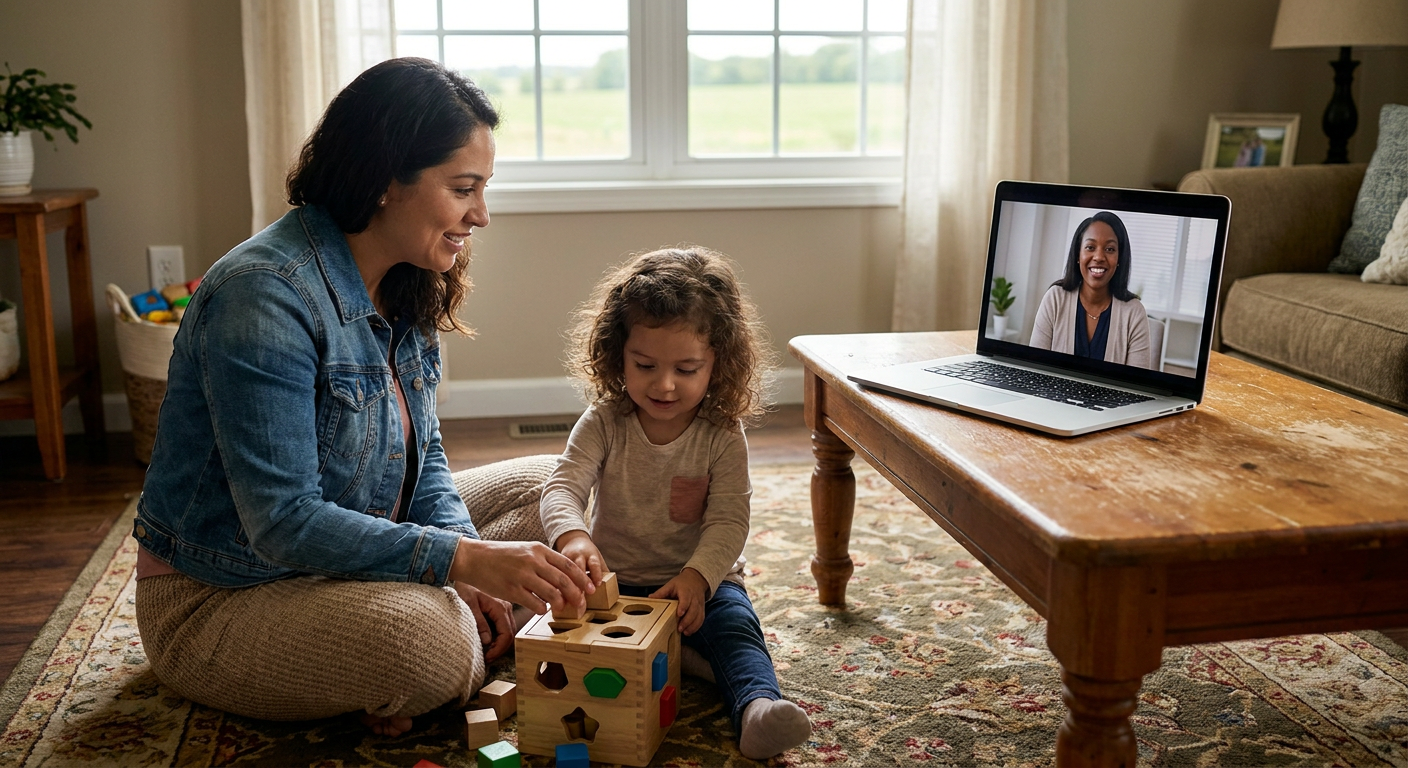
For example, parents can schedule brief virtual check-ins with support groups when attending in-person meetings is challenging. Many communities also offer sliding-scale services or financial assistance programs to make therapy and resources more accessible.
Emphasizing Self-Care
A strong support system not only benefits the child but also allows parents to prioritize their own well-being. Caring for a child with unique needs can be all-consuming, and neglecting self-care can lead to burnout.
By delegating responsibilities and seeking support, parents can carve out time for rest, hobbies, and social interactions. This, in turn, strengthens their ability to be present, patient, and effective caregivers.
Partnering with Professionals for Long-Term Success
Families of kids with autism can achieve lifelong success by working closely with professionals who specialize in child development. For instance, ABA therapy services tailored to individual needs provide structure, guidance, and measurable progress. Parents who engage with these professionals are empowered to reinforce learning at home and advocate for their child’s evolving needs.
A consistent partnership between families and therapists ensures interventions are tailored to the child, monitored for effectiveness, and adapted as goals are met. This collaboration creates a sense of shared responsibility and strengthens the child’s support system overall.
Conclusion
Raising kids with autism is a journey that no parent should face alone. Building a strong support system—including family, friends, community resources, and professional guidance—provides emotional reassurance, practical help, and long-term benefits for both parents and children.
Parents who actively seek and maintain connections with others find that their child’s development and family well-being improve significantly. A supportive network transforms challenges into manageable steps, fosters resilience, and creates an environment where both the child and family can thrive.
For families seeking professional guidance, Perfect Pair ABA provides ABA therapy services that support families and enable lifelong success. By partnering with experts and connecting with a wider support system, parents can navigate this journey with confidence, knowing they are not alone.
FAQs
Why is having a support system important for parents of kids with autism?
A strong support system helps parents manage stress, gain practical advice, and connect with professionals and peers who understand the unique challenges of raising kids with autism.
How can parents find support networks for kids with autism?
Parents can join local or online parent groups, connect with advocacy organizations, attend workshops, and seek mentorship from experienced families to build a supportive network.
What role do therapists play in supporting kids with autism?
Therapists, including ABA specialists, provide structured interventions, monitor progress, and guide parents on strategies to reinforce learning and behavior at home.
Can family and friends really make a difference for kids with autism?
Yes. Family and friends offer emotional support, practical assistance with daily routines, and help create a nurturing environment that benefits both the child and parents.
Are there professional resources for parents of kids with autism?
Absolutely. Many professionals, such as ABA providers, counselors, and educational specialists, offer guidance, therapy, and skill-building programs tailored to the child’s needs.
How does a support system affect a child’s development?
Consistent emotional and professional support ensures children receive appropriate interventions, helping them achieve developmental milestones and improving behavior and social skills.
What are some ways parents can balance self-care while supporting kids with autism?
Parents can delegate responsibilities, attend support groups, schedule respite care, and make time for hobbies or rest, which helps maintain patience and emotional resilience.
How can parents connect with ABA therapy professionals?
Parents can research local ABA providers, inquire about in-home or school-based services, or ask for recommendations from parent networks or community organizations.
What are the benefits of joining online communities for parents of kids with autism?
Online communities provide access to shared experiences, tips, and resources, allowing parents to seek advice and support even if in-person connections are limited.
How can a support system reduce parental stress when raising kids with autism?
Sharing responsibilities, receiving emotional support, and having access to professional guidance helps parents manage challenges more effectively, reducing burnout and improving family well-being.
How can schools support parents of kids with autism?
Schools can collaborate with parents by providing individualized education plans, regular progress updates, and access to school-based therapy programs, helping ensure consistency between home and school.
Can connecting with other parents improve outcomes for kids with autism?
Yes. Learning from other parents’ experiences, sharing strategies, and gaining emotional support can empower families to advocate effectively for their children and implement effective routines at home.