


Mornings can be one of the most challenging parts of the day for families. Between waking up, getting dressed, eating breakfast, and heading out the door on time, it’s easy for chaos to take over. However, with the right ABA Strategies, mornings can become calm, structured, and positive experiences for both parents and children.
At Perfect Pair ABA, our team specializes in helping families design consistent and manageable routines that reduce stress and build independence. Our experts also offer school based aba therapy to help children transition smoothly between home and school environments, ensuring the structure continues beyond the morning routine.
Understanding the Morning Rush
Morning challenges often arise from multiple transitions — waking up, preparing for school, and separating from parents. Without clear expectations or structure, these moments can trigger frustration and resistance.
Children thrive when they know what’s coming next. A consistent morning routine, guided by proven ABA Strategies, helps establish predictability. This reduces anxiety, encourages independence, and promotes cooperation, transforming mornings from rushed to relaxed.
Why Routines Matter in ABA-Based Learning
Consistency and repetition are the heart of effective learning. By creating structured morning routines, children learn to follow a predictable pattern each day. These habits not only build responsibility but also improve focus, communication, and task completion.
For families in aba greensboro nc, our trained therapists design individualized morning schedules that fit each child’s pace and strengths. Through positive reinforcement and visual planning, children begin to take ownership of their own routines — brushing teeth, packing bags, or getting dressed — with minimal reminders.
Step 1: Set Clear and Simple Expectations
A successful morning starts with clarity. Before the day begins, ensure that your child understands the sequence of activities. Use visuals or checklists with pictures of each task, such as “wake up,” “get dressed,” and “eat breakfast.”
Clear expectations reduce confusion and make transitions smoother. One of the most effective ABA Strategies is to review these steps together the night before. This prepares your child mentally, so they wake up knowing exactly what comes next.
For instance, you might say:
“First we get out of bed, then we brush our teeth, and finally, we eat breakfast.”
This structured language sets the tone for the morning while keeping things positive and predictable.
Step 2: Use Visual Schedules to Guide the Morning
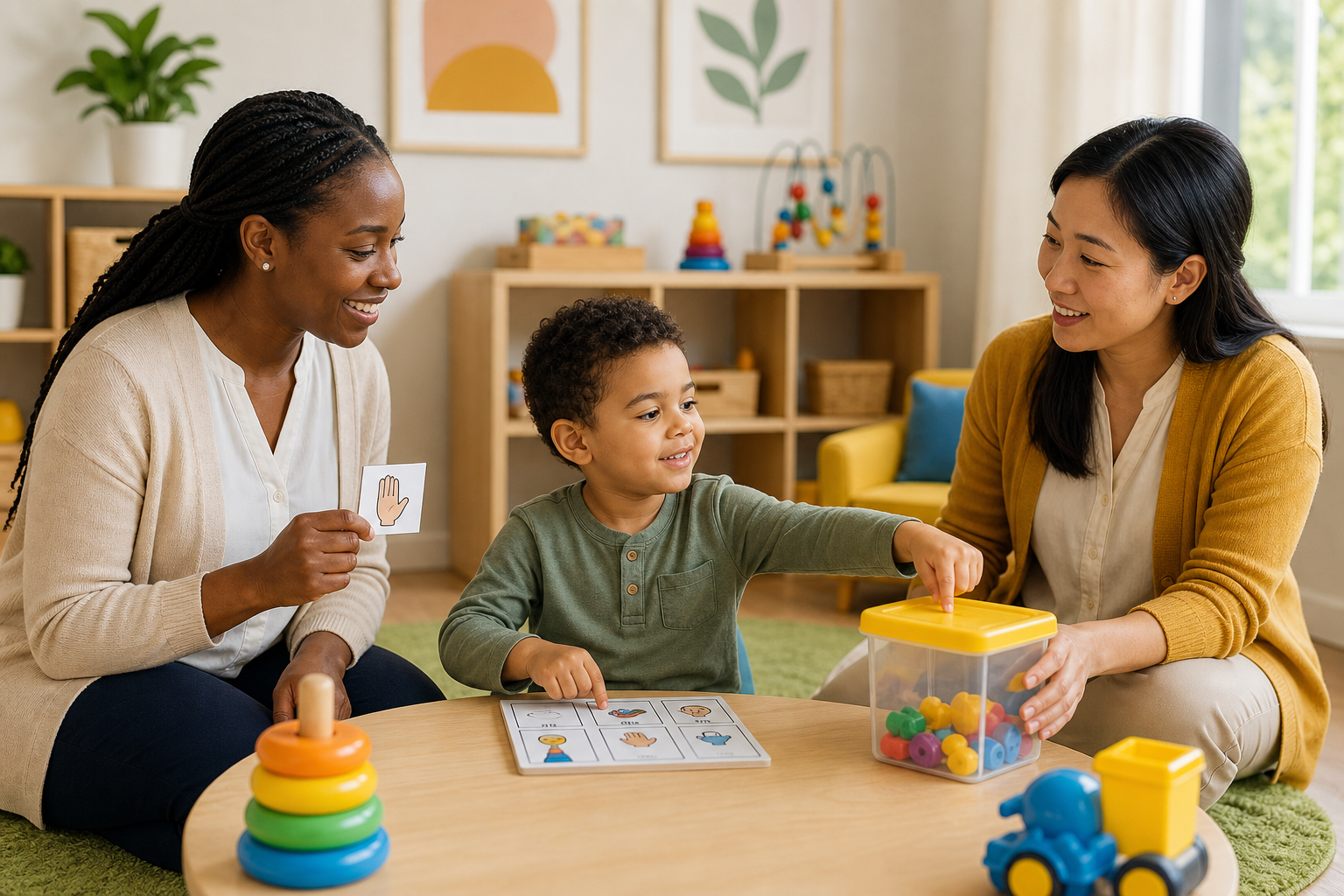
Visual schedules are an essential tool in ABA Strategies. These charts break the morning routine into small, manageable steps that children can easily follow.
Visuals can include drawings, photographs, or printed icons representing each activity. When your child completes a step, allow them to move the icon or check it off the list. This provides a tangible sense of progress and achievement.

For children who struggle with transitions, visuals make abstract concepts (like “next” or “later”) easier to understand. Over time, they begin to internalize the schedule and require fewer prompts — giving them confidence and independence in their morning tasks.
Step 3: Reinforce Positive Behavior
Positive reinforcement is one of the most powerful ABA Strategies to encourage cooperation. When your child completes a step successfully, immediately acknowledge it with praise, high-fives, or a small reward.
For example:
“Great job getting dressed so quickly! Now we can have extra time to play before school.”
This reinforces the desired behavior and motivates them to continue following the routine.
The key is to make reinforcement immediate and meaningful. Small wins build momentum, helping children associate mornings with success rather than stress.
Step 4: Plan Ahead to Reduce Morning Stress
Preparation is everything. The fewer decisions you have to make in the morning, the smoother things go. Prepare clothes, pack lunches, and set out backpacks the night before.
This proactive approach reduces the number of tasks competing for attention during the morning rush. It also allows children to focus on just a few steps at a time, promoting calm and confidence.
At Perfect Pair ABA, our behavior analysts often coach parents to involve their children in evening preparation routines. When kids choose their outfit or help pack their school bag, they feel more engaged and responsible for the next morning’s success.
Step 5: Create a Calm Environment
Mornings should start with peace, not panic. Keep the environment calm by lowering background noise, using gentle reminders instead of loud prompts, and maintaining a consistent tone of voice.
Soft background music or gentle wake-up cues can also set a positive mood. Avoid rushing or multitasking excessively, as children pick up on stress signals quickly.
Through structured ABA Strategies, families can transform the emotional tone of mornings. A calm start promotes smoother transitions, better focus, and a more positive attitude throughout the day.
Step 6: Build Independence Gradually
Children develop independence over time, not overnight. Start by assisting with certain tasks and gradually fade your support as your child gains confidence.
For instance, if your child struggles with getting dressed, begin by laying out clothes in the correct order. Over time, encourage them to pick and put on one item at a time until they can manage the entire process independently.
Our team at Perfect Pair ABA believes that building independence through small, achievable goals helps children feel capable and proud of their progress. This empowerment is a cornerstone of long-term success in both home and school environments.
Step 7: Use Transitions Wisely
Transitions can be difficult, especially when moving from one preferred activity to a less-preferred one (like from breakfast to getting dressed). To manage this, provide gentle countdowns or verbal cues before each change.
For example:
“In five minutes, it will be time to put on your shoes.”
Timers or musical cues can also help signal transitions predictably. These small adjustments, guided by ABA Strategies, help children anticipate what’s next without feeling rushed or surprised.
Step 8: Encourage Collaboration Between Home and School
Morning routines set the stage for the entire day, including school success. Collaboration between parents, teachers, and therapists ensures that strategies remain consistent.
Through school based aba therapy, professionals can align home routines with classroom expectations. This creates a seamless transition between settings, supporting children in maintaining focus, following directions, and staying engaged.
When children experience the same structure and reinforcement style across environments, they’re more likely to thrive academically and socially.
Step 9: Adjust and Personalize the Routine
Every child is unique, and routines should evolve based on growth and feedback. If something isn’t working — such as a visual schedule that feels overwhelming or too many tasks at once — simplify it.
Our therapists regularly assess and modify morning routines to ensure they remain effective and positive. For families looking to join a supportive community, exploring bcba jobs near me or rbt jobs can be an excellent opportunity to work alongside experts who create meaningful change through structured support and compassion.
Step 10: Celebrate Progress — Big and Small
Success in morning routines doesn’t happen overnight. Celebrate each small victory, whether it’s your child waking up on time, brushing their teeth independently, or remembering to pack their bag.
Recognizing these achievements helps build motivation and self-esteem. Over time, your child begins to associate mornings with pride, success, and confidence.
At Perfect Pair ABA, we believe that every moment of progress deserves recognition — because each step brings families closer to calm, cooperative, and joyful mornings.
Bringing It All Together
Creating calm mornings isn’t just about avoiding stress; it’s about empowering children to start their day with structure and confidence. With the right ABA Strategies, families can transform chaotic mornings into peaceful routines filled with consistency, communication, and success.
From using visual schedules to reinforcing positive behaviors, every small adjustment contributes to a smoother, happier start. And for families seeking guidance, Perfect Pair ABA provides personalized support and professional expertise that lasts well beyond the morning hours.
Whether you’re a parent seeking practical tools or exploring professional opportunities like rbt jobs or bcba jobs near me, Perfect Pair ABA offers a compassionate, evidence-based approach that truly makes a difference.
About Us:
Perfect Pair ABA provides ABA therapy services that support families and enable lifelong success. Our dedicated team works with parents to create structured routines, promote independence, and build lasting skills that enhance everyday life.
FAQs
How can ABA Strategies help create calm and structured morning routines?
ABA Strategies focus on building consistent, predictable routines through positive reinforcement and clear expectations. By breaking the morning into small, manageable steps — such as brushing teeth, getting dressed, and eating breakfast — children learn to follow a structured sequence independently. This reduces confusion, builds confidence, and helps mornings start calmly instead of chaotically.
What are some practical ABA Strategies parents can use at home before school?
Parents can apply ABA Strategies by using visual schedules, giving clear instructions, and providing positive reinforcement for completed tasks. Preparing items like clothes and backpacks the night before can also make mornings smoother. These steps help children know what to expect and feel empowered to complete tasks independently — creating a peaceful start to the day.
How does Perfect Pair ABA support families with daily routines?
Perfect Pair ABA provides personalized plans using proven ABA Strategies to help families develop calm and consistent daily routines. Our therapists teach parents how to reinforce positive behavior, manage transitions smoothly, and encourage independence. Families in programs such as school based aba therapy or those seeking services in aba greensboro nc receive customized support tailored to their child’s needs and environment.