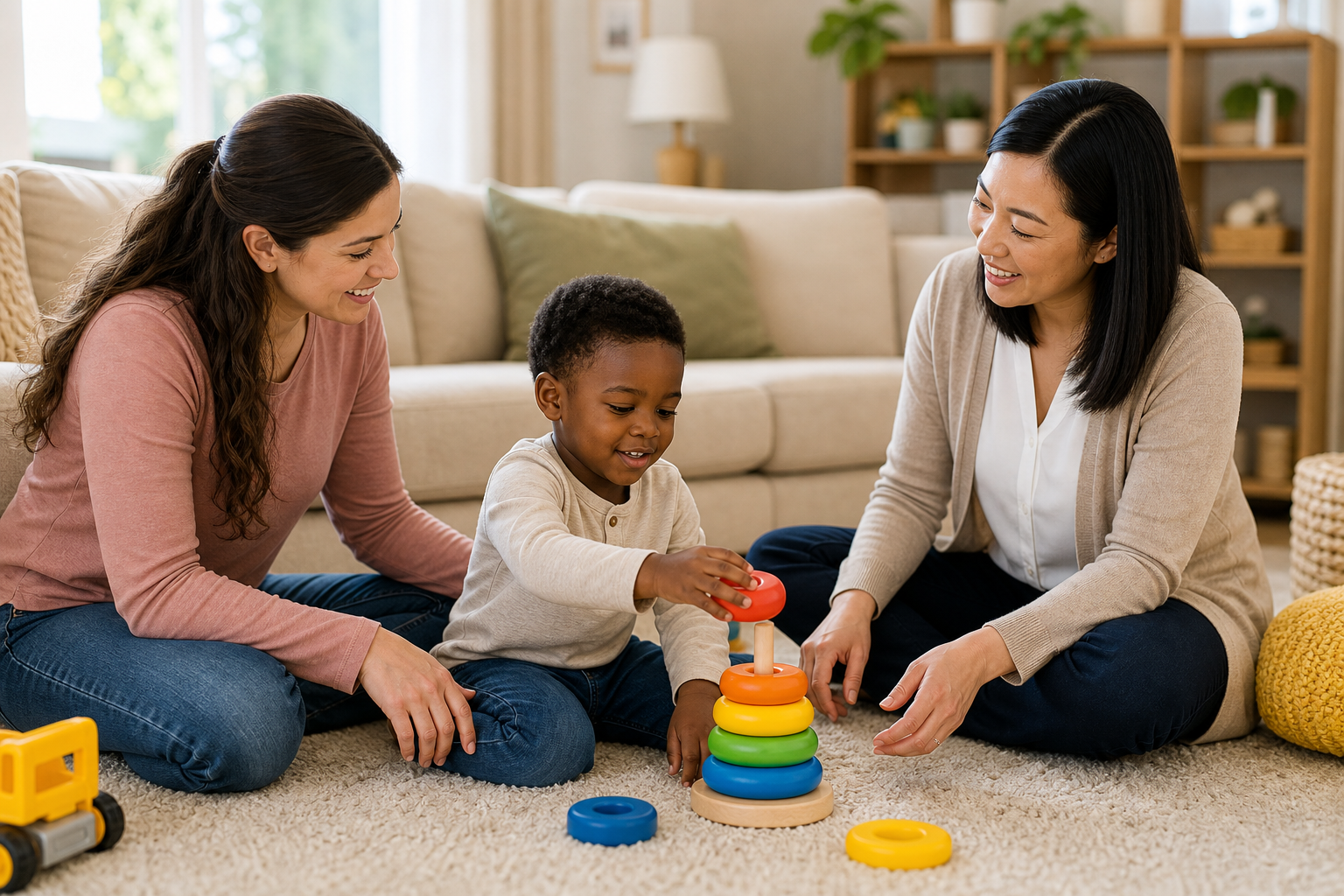



Developing everyday skills is an essential part of a child’s growth, and applied behavior analysis (ABA) therapy provides structured support in this process. In Newport News, children benefit from professionally guided programs that focus on practical daily living tasks, ensuring they gain independence in their routines. Through carefully tailored interventions, children work on skills such as personal hygiene, dressing, meal preparation, and managing daily schedules. When delivered by experienced clinicians, ABA therapy offers measurable progress, supported by collaboration among parents, teachers, and therapy providers. In home ABA therapy services Newport News VA allows children to receive consistent support in familiar environments, complementing structured sessions and maximizing learning opportunities.
Understanding Daily Living Skills
Daily living skills refer to a broad set of abilities that enable individuals to manage personal care, navigate home responsibilities, and participate in community life with increasing independence. These skills can be grouped into areas such as:
- Self-care: Brushing teeth, washing hands, bathing, grooming.
- Dressing: Choosing clothing, managing fasteners, putting on shoes.
- Meal preparation and feeding: Using utensils appropriately, following recipes, or organizing snacks.
- Household tasks: Cleaning, organizing belongings, and managing simple chores.
- Time management and routine adherence: Following schedules for school, homework, or recreational activities.
For children who face challenges in acquiring these skills naturally, structured ABA interventions help bridge gaps while reinforcing consistency and independence.
How ABA Therapy Supports Skill Development
ABA therapy focuses on breaking complex tasks into smaller, achievable steps and teaching these systematically. Clinicians use strategies such as task analysis, positive reinforcement, and repeated practice to strengthen skills. Sessions are customized to each child’s developmental needs, ensuring that progress is gradual, consistent, and measurable.
For example, a child learning to dress independently may first practice pulling on a shirt, then fastening buttons, and eventually managing full outfits with minimal guidance. Each step is monitored, and adjustments are made based on the child’s response. This approach ensures mastery of foundational skills before progressing to more advanced tasks, fostering confidence and independence.
ABA therapy providers in Newport News integrate data tracking to monitor growth in daily living skills, offering objective feedback that guides ongoing intervention strategies. Collaboration with parents ensures that new skills are reinforced at home in ways that respect the child’s learning pace and preferences.
Settings for ABA Therapy in Newport News
ABA therapy can be delivered in multiple environments, each supporting skill acquisition differently:
Home-Based ABA Therapy
In home ABA therapy services in Newport News, VA brings the structure of clinical intervention into the child’s living environment. Clinicians can target skills within routines that are naturally occurring at home, such as morning hygiene, meal preparation, or independent play. This personalized setting allows therapists to observe real-life challenges, provide immediate support, and reinforce skills consistently.

School-Based ABA
School-based ABA programs integrate therapeutic strategies into the classroom setting, allowing children to practice daily living skills within academic routines. This approach ensures that skill development is consistent across contexts, supporting independence not only in home tasks but also in navigating school responsibilities. Teachers and therapy providers coordinate to maintain continuity, reinforcing behaviors learned during ABA sessions while respecting the structure of the school day.
Private ABA Therapy
For families seeking individualized, intensive interventions, private ABA therapy Newport News VA offers tailored programs delivered by licensed providers. These sessions typically focus on specific daily living skills, with frequent progress monitoring and modifications as needed. The flexibility of private ABA therapy allows clinicians to adjust the pace, intensity, and methods according to the child’s unique profile and developmental goals.
Collaboration and Consistency
While therapy providers lead the clinical interventions, collaboration with parents and educational staff is essential. Structured communication ensures that skills learned in sessions are reinforced in other environments. Families contribute by providing insights into daily routines, preferences, and challenges, allowing clinicians to design interventions that are realistic and meaningful.
Similarly, school staff participate in structured planning, helping integrate skills into classroom routines, such as organizing materials, following daily schedules, and managing self-care during the school day. This cooperative approach strengthens skill retention and generalization, enabling children to apply learned behaviors in multiple settings.
Key Daily Living Skills Addressed Through ABA Therapy
ABA therapy supports a wide spectrum of essential skills. Highlighted areas often include:
Personal Hygiene and Grooming
Learning to brush teeth, comb hair, wash hands, and bathe independently builds self-reliance. Clinicians use task analysis and prompting strategies to ensure each step is performed correctly before fading support gradually.
Dressing Skills
Children may start with simpler clothing items, such as elastic-waist pants, progressing to buttons, zippers, and shoelaces. ABA therapy focuses on both the sequence of steps and the development of fine motor skills needed for independent dressing.
Meal Preparation and Feeding
Practical skills like using utensils correctly, preparing simple snacks, and following instructions are emphasized. By integrating these into therapy sessions, children gain confidence in managing mealtime independently and safely.
Household Responsibilities
ABA therapy can address tasks such as tidying rooms, organizing personal belongings, and completing age-appropriate chores. Structured repetition and reinforcement help children develop routines that support independence.
Time Management and Routines
Through the use of visual schedules, timers, and step-by-step guidance, children learn to manage daily routines effectively. ABA interventions support consistency in waking up, attending school, completing homework, and participating in leisure activities.
Measuring Progress in Daily Living Skills
A hallmark of ABA therapy is data-driven assessment. Clinicians systematically track progress, noting successes, challenges, and areas needing further attention. Frequent measurement allows providers to:
- Adjust interventions based on real-time performance.
- Recognize achievements and celebrate milestones, reinforcing motivation.
- Ensure that skills are generalized across environments, such as home, school, and community.
Parents and educators can contribute observational data, providing additional context to help clinicians make informed decisions. This collaborative approach ensures interventions remain relevant and effective for the child’s evolving needs.
Benefits Beyond Independence
Gaining competence in daily living skills has implications beyond routine management. Increased independence can improve self-esteem, enhance social participation, and reduce reliance on adult support. Children who develop these skills are better prepared for transitions, whether moving from home to school routines or preparing for adolescence and eventual adult responsibilities.
By fostering autonomy, ABA therapy encourages children to approach challenges with problem-solving strategies, resilience, and a sense of achievement. These outcomes often translate into improved family dynamics, as children contribute actively to household routines and personal care.
Considerations for Parents
Parents play an essential supporting role in ABA therapy. While clinicians deliver structured interventions, parental involvement in reinforcing skills, providing consistent routines, and observing progress is critical. Some considerations include:
- Maintaining open communication with therapists to report successes and challenges.
- Supporting skill generalization by encouraging practice at home within natural routines.
- Being patient and recognizing incremental progress, as mastering daily living skills can take time.
- Aligning home expectations with the therapeutic goals established by ABA providers.
Through collaboration, parents can ensure that children’s progress is consistent and meaningful across all settings.
Conclusion
Daily living skills are foundational to a child’s independence, self-confidence, and overall participation in daily routines. in Home ABA therapy, when delivered by qualified providers in Newport News, offers structured, evidence-based strategies to help children develop these skills effectively. With sessions conducted in home, school, or private settings, and with active collaboration among clinicians, parents, and educators, children can achieve measurable progress that enhances their daily lives.
The structured, systematic approach ensures that children gain independence in essential tasks, while supportive partnerships help generalize these skills across environments, fostering confidence and self-reliance.
Professionally delivered ABA therapy emphasizes skill mastery, patience, and data-driven interventions, providing children with a framework to succeed in both routine and complex daily tasks.
At a professional ABA practice, strong partnerships among clinicians, children, and parents are key. By combining structured guidance with real-world practice, children develop life skills that contribute positively to daily routines and family life, with interventions designed to meet individual needs while nurturing independence and confidence.
FAQs
What are daily living skills, and why are they important?
Daily living skills are practical abilities that allow children to manage personal care, household responsibilities, and everyday routines independently. Developing these skills helps children gain confidence, participate more fully in daily activities, and reduce reliance on adult support. ABA therapy supports structured, step-by-step learning to ensure children master these essential skills.
How does ABA therapy help children improve daily living skills?
ABA therapy breaks complex tasks into smaller, manageable steps and uses evidence-based strategies to teach and reinforce each skill. Techniques such as task analysis, positive reinforcement, and repeated practice help children gradually develop independence in routines like dressing, eating, hygiene, and household chores. Progress is tracked to ensure measurable improvements.
Can ABA therapy be provided at home or school?
Yes. In home ABA therapy services Newport News VA allow clinicians to work with children within familiar routines and environments, reinforcing skills as they naturally occur. School-based ABA programs integrate interventions into classroom activities, supporting consistent skill development across multiple settings. Both approaches complement each other for maximum progress.
How do parents and educators support ABA therapy?
While ABA therapy is delivered by qualified clinicians, parents and school staff play a supportive role. By providing consistent routines, observing progress, and reinforcing skills in everyday situations, families and educators help children generalize learned behaviors. Regular communication with therapists ensures that interventions remain aligned with each child’s needs.
What progress can be expected with ABA therapy for daily living skills?
Children typically show gradual, measurable improvements in independence over time. ABA therapy focuses on mastering foundational skills before advancing to more complex tasks. With consistent practice and collaboration between therapists, parents, and educators, children can achieve increased self-reliance in hygiene, dressing, meal preparation, household tasks, and daily routines.