


Building meaningful connections at home plays an essential role in a child’s learning and progress, especially when therapeutic strategies are thoughtfully woven into family routines. Family Bonding Activities That Work Well With ABA Therapy not only strengthen relationships but also support skill development in an enjoyable setting. Families who receive home aba therapy newport news va often appreciate how small, everyday moments can become opportunities for growth. With the right approach, shared activities can be both enriching and deeply rewarding.
Families are often encouraged to participate in activities that reinforce learning, strengthen communication, and help children feel confident. Whether it’s structured play, outdoor time, or daily household routines, each interaction can be transformed into a rich learning experience. This approach ensures that the support children receive during formal sessions is naturally carried into the home environment.
Below are meaningful and practical ideas for families looking to integrate enjoyable bonding moments with therapeutic strategies that fit seamlessly into everyday life.
The Importance of Family Involvement in ABA Therapy
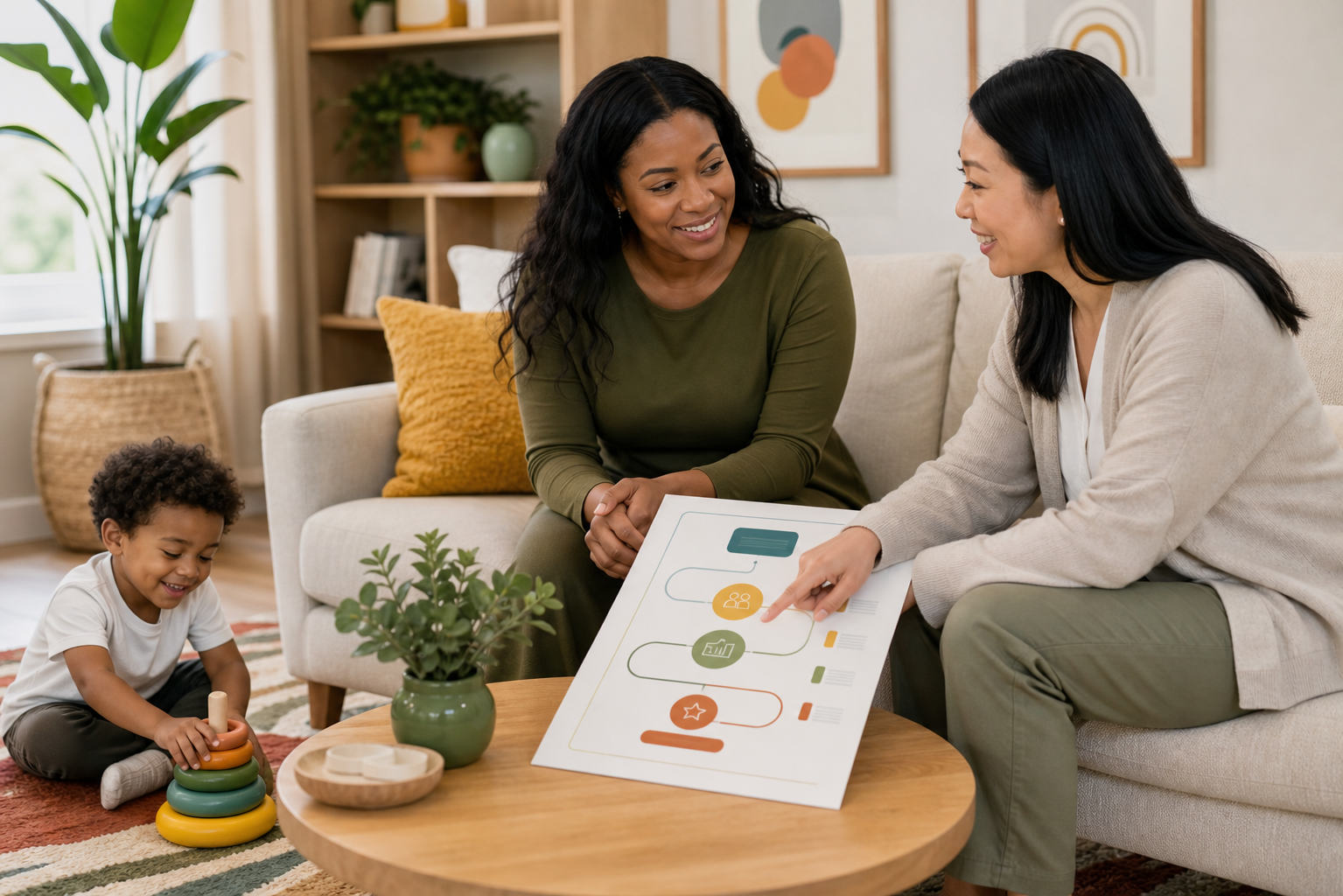
Family participation is one of the strongest pillars of consistent skill growth. When parents, siblings, and caregivers mirror strategies used by professionals, children benefit from repetition and predictability. By blending bonding routines with evidence-based methods, families create a stable, enriched learning environment.
Activities done together also help improve communication between children and caregivers. These shared experiences encourage turn-taking, choices, and expressive opportunities, all of which support long-term progress. When bonding activities are enjoyable, children are naturally motivated to participate and engage.
1. Cooking and Baking Together
Cooking activities offer endless opportunities for fun family time and valuable skill practice. Asking children to assist with small tasks—like stirring, measuring, or choosing ingredients—supports independence and confidence.
Cooking encourages communication, following steps, making choices, and problem-solving. Families can reinforce learned behaviors by giving clear instructions, celebrating accomplishments, and breaking tasks into manageable steps.
The best part is that cooking produces something tangible at the end—a finished meal or snack—giving children a sense of completion and pride.
2. Outdoor Walks and Nature-Based Activities
A simple walk together can become a powerful bonding experience. Families can engage in structured conversations, play simple games like “I spy,” or practice naming things in the environment. Nature offers a calm and engaging setting to practice communication and cooperation.
Walking side by side encourages conversation, shared attention, and opportunities to respond to environmental cues. Many families discover that these outings quickly become part of their most cherished routines.
3. Board Games and Turn-Taking Activities
Board games naturally support important developmental and social skills. These activities allow families to practice rules, patience, cooperation, and fairness.

Games like matching cards, rolling dice, or simple strategy games can help reinforce waiting, taking turns, and following directions. These games are easy to modify to match the child’s learning goals, making them ideal for home practice.
By celebrating small moments of success, families reinforce progress and create fun traditions.
4. Reading Together as a Daily Routine
Reading time strengthens communication, comprehension, and emotional connection. Families can discuss pictures, ask simple questions, and encourage children to point or speak when comfortable.
Books also serve as a wonderful tool for modeling language. Repeating phrases, identifying objects, and expanding descriptions enhance learning and help children engage more fully.
Establishing a nightly reading routine creates consistency and helps children wind down while still practicing important skills.
5. Arts and Crafts for Creativity and Skill Development
Arts and crafts activities allow children to explore creativity while strengthening fine-motor skills and following steps. Families can create crafts using simple household items, making the experience accessible and fun.
Craft projects help children practice requesting, making choices, completing tasks, and expressing themselves. Parents can guide each step, ensuring success and enjoyment throughout the activity.
These creative moments often result in keepsakes that families can display, preserving memories of shared accomplishments.
6. Music Time and Movement Activities
Singing songs, dancing, and playing simple instruments offer a joyful way to practice communication and coordination. Music naturally encourages imitation, rhythm, and interaction.
Songs with repetitive patterns help children follow along, respond to cues, and engage socially. Families can build routines around music time, turning it into a favorite bonding moment.
This activity is flexible and can adapt easily to a child’s energy level, making it suitable any time of day.
7. Household Chores as Shared Learning Opportunities
Completing small household tasks together—such as sorting laundry, wiping tables, or organizing toys—builds independence while teaching responsibility. These tasks can be presented as fun challenges or cooperative missions.
Chores reinforce the idea that family members work together toward shared goals. Children can feel proud when they contribute to family routines, and parents can reinforce positive behaviors with praise and encouragement.
8. Structured Play That Supports Learning
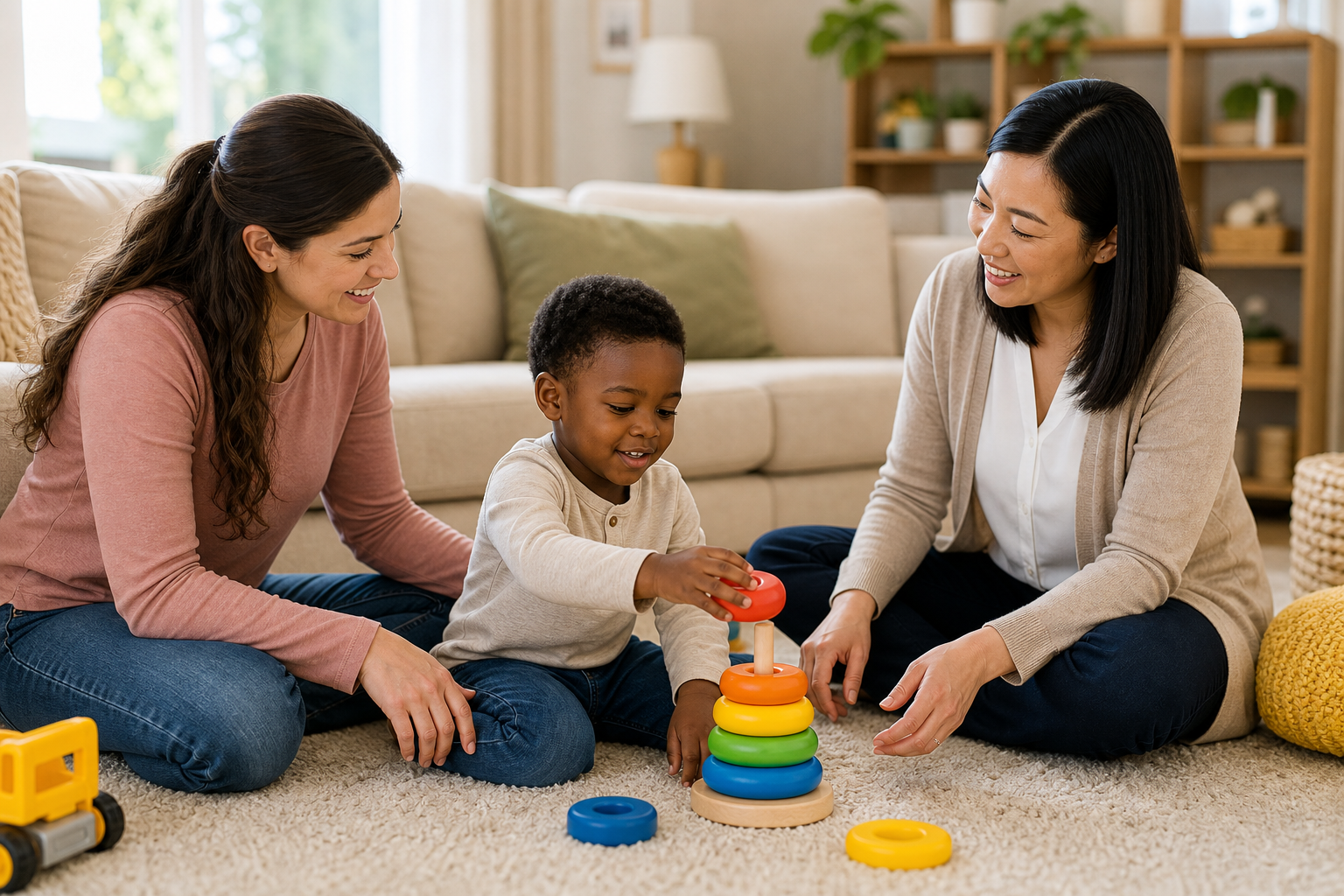
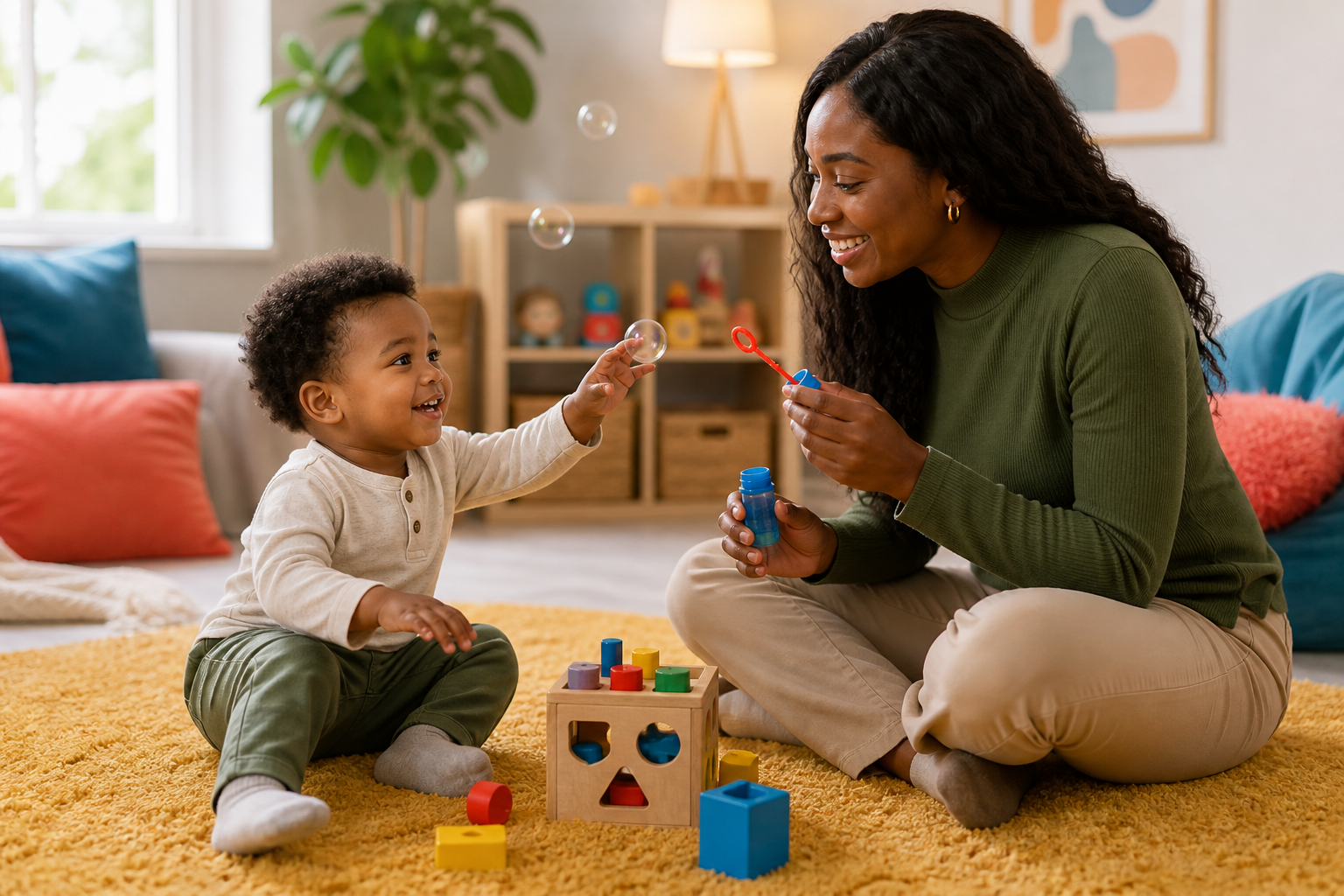
Structured play provides a balance between fun and skill development. Simple toys like blocks, cars, dolls, or puzzles can help practice matching, labeling, building, and imaginative play.
Parents can ask prompting questions, model new ideas, and offer choices to keep the activity engaging. These moments support communication and problem-solving while strengthening the emotional bond between family members.
9. Role-Playing and Pretend Games
Pretend play offers rich opportunities for practicing communication and cooperative behaviors. Families can act out simple scenarios such as visiting a store, taking care of dolls, or playing school.
Role-playing encourages creativity and helps children practice conversations and turn-taking. Parents can guide the play gently while still allowing the child to lead at times.
10. Simple Physical Activities and Indoor Games
Indoor games like obstacle courses, ball-tossing, or “follow the leader” help children stay active while practicing listening and coordination.
These games promote cooperation, shared enjoyment, and confident participation. Even a five-minute activity can create meaningful connections and reinforce key skills.
How ABA Therapy Fits Naturally Into Family Activities
ABA Therapy focuses on building skills through repetition, clear expectations, and positive reinforcement. These elements blend seamlessly into daily bonding activities when parents and caregivers understand how to use them naturally.
For example, during cooking, families can reinforce the following steps; during games, they can practice turn-taking; during outdoor walks, they can encourage communication. By doing this, skills learned during sessions are strengthened at home, increasing long-term progress.
Families receiving autism therapy often find that these shared activities reduce stress and improve cooperation. When children know what to expect and feel supported, they are more likely to participate confidently and joyfully.
When practiced consistently, these bonding moments help build structure, strengthen routines, and create an atmosphere where learning happens naturally and effortlessly.
Benefits for the Entire Family
Blending therapeutic strategies with bonding activities doesn’t just help children—it strengthens the entire family. Parents feel more confident, siblings feel included, and children experience more opportunities for success.
These shared experiences create a home environment that is loving, predictable, and supportive. Over time, families often notice improvements in communication, cooperation, and everyday independence.
Conclusion
Integrating Family Bonding Activities That Work Well With ABA Therapy into daily routines allows families to build stronger connections while reinforcing essential skills. Whether through cooking, reading, outdoor time, or simple games, each shared moment becomes an opportunity for growth. With consistent practice and a supportive approach, families can turn everyday tasks into meaningful experiences that enhance communication, cooperation, and joy.
Perfect Pair ABA provides ABA therapy services that support families and enable lifelong success.
FAQs
How do family bonding activities support progress in ABA Therapy?
Family bonding activities help reinforce skills learned during sessions by providing natural opportunities for practice at home. When families participate together, children experience consistency, repetition, and positive reinforcement, which strengthens long-term learning.
What types of family activities work best with ABA principles?
Activities such as cooking, reading, board games, walks, crafts, and simple household tasks work well. These activities naturally include opportunities for communication, turn-taking, following steps, and making choices, which align well with therapeutic goals.
Can these activities help improve communication at home?
Yes. Bonding activities provide opportunities for children to express needs, respond to questions, request help, and interact socially with family members. Even simple routines, like reading or playing games, can significantly encourage communication.
How can families include ABA strategies without making activities feel like therapy?
The key is to keep activities fun and relaxed while gently using strategies like modeling, prompting, positive reinforcement, and breaking tasks into simple steps. When done naturally, the child enjoys the activity while still learning.
Are these bonding activities suitable for all age groups?
Yes. Most activities—such as playing games, cooking, or creating crafts—can be easily adjusted for different ages and skill levels. Families can choose tasks that match their child’s abilities and gradually increase complexity over time.
How often should families do these bonding activities?
Consistency matters more than duration. Even 10–15 minutes a day can make a difference when activities include opportunities for connection and learning. Regular participation helps reinforce routines and strengthens family relationships.
Can siblings participate in these activities as well?
Absolutely. Sibling involvement encourages peer learning, strengthens relationships, and creates a positive team environment at home. Many families find that siblings help motivate and engage the child.
What should families do if a child becomes frustrated during an activity?
Parents can pause, simplify the task, offer encouragement, or present a choice that allows the child to feel more control. Keeping activities enjoyable prevents stress and helps ensure future participation.