


Applied Behavior Analysis (ABA) therapy is designed to help children build meaningful life skills that foster independence, communication, and social success. While learning a new skill in a structured environment is important, the true measure of progress lies in whether that skill can be carried over into everyday life. This ability to use learned skills in real-world situations is called Generalization in ABA—and it is one of the most vital goals of any ABA program.
At Perfect Pair ABA, we believe therapy is not only about learning behaviors in a session but also about ensuring those skills translate to life outside. Families, caregivers, and schools play a crucial role in helping children generalize what they’ve learned. In this article, we’ll explore why generalization matters, how it works, and why practicing skills in real-life settings is essential for lasting success.
What Is Generalization in ABA?
In ABA, generalization refers to the process of applying skills learned in one environment to different people, settings, or situations. For example, if a child learns to greet their therapist by saying “hello,” the skill is generalized when they use the same greeting with classmates, neighbors, or relatives. Without generalization, a skill may remain limited to the therapy room, offering little value in daily life.
There are three main types of generalization:
- Stimulus Generalization – Using a skill in response to different cues or contexts.
- Example: A child washes their hands not only at school but also at home or in a public restroom.
- Response Generalization – Applying variations of the same skill.
- Example: Instead of only saying “hello,” a child may also say “hi” or “good morning.”
- Maintenance – Continuing to use a skill over time without constant reinforcement.
- Example: A child continues to tie their shoes independently even after direct teaching has stopped.
When children can apply skills across settings, people, and times, their learning becomes practical and meaningful.
Why Generalization in ABA Is Key
1. Real-Life Independence
The ultimate goal of ABA therapy is to help children build independence. Without generalization, a child may only succeed in the structured setting of a therapy session. Real progress happens when they can use those skills at school, at home, or in the community.
2. Confidence and Adaptability
Children who can generalize skills tend to feel more confident in unfamiliar situations. For example, if a child has practiced ordering food in therapy role-play, they may feel more comfortable doing it at a restaurant.
3. Family and Community Involvement
Parents and teachers play a key role in reinforcing generalization. For families in North Carolina, services like ABA therapy at home North Carolina or school based ABA therapy North Carolina make it possible to practice skills where they matter most—within the child’s natural environment.
4. Long-Term Success
Skills that are not generalized often fade over time. But when children repeatedly practice in real settings, the behaviors are more likely to stick, paving the way for lifelong growth.
How ABA Therapy Promotes Generalization
ABA providers intentionally design programs to encourage generalization. Strategies often include:
1. Natural Environment Training (NET)
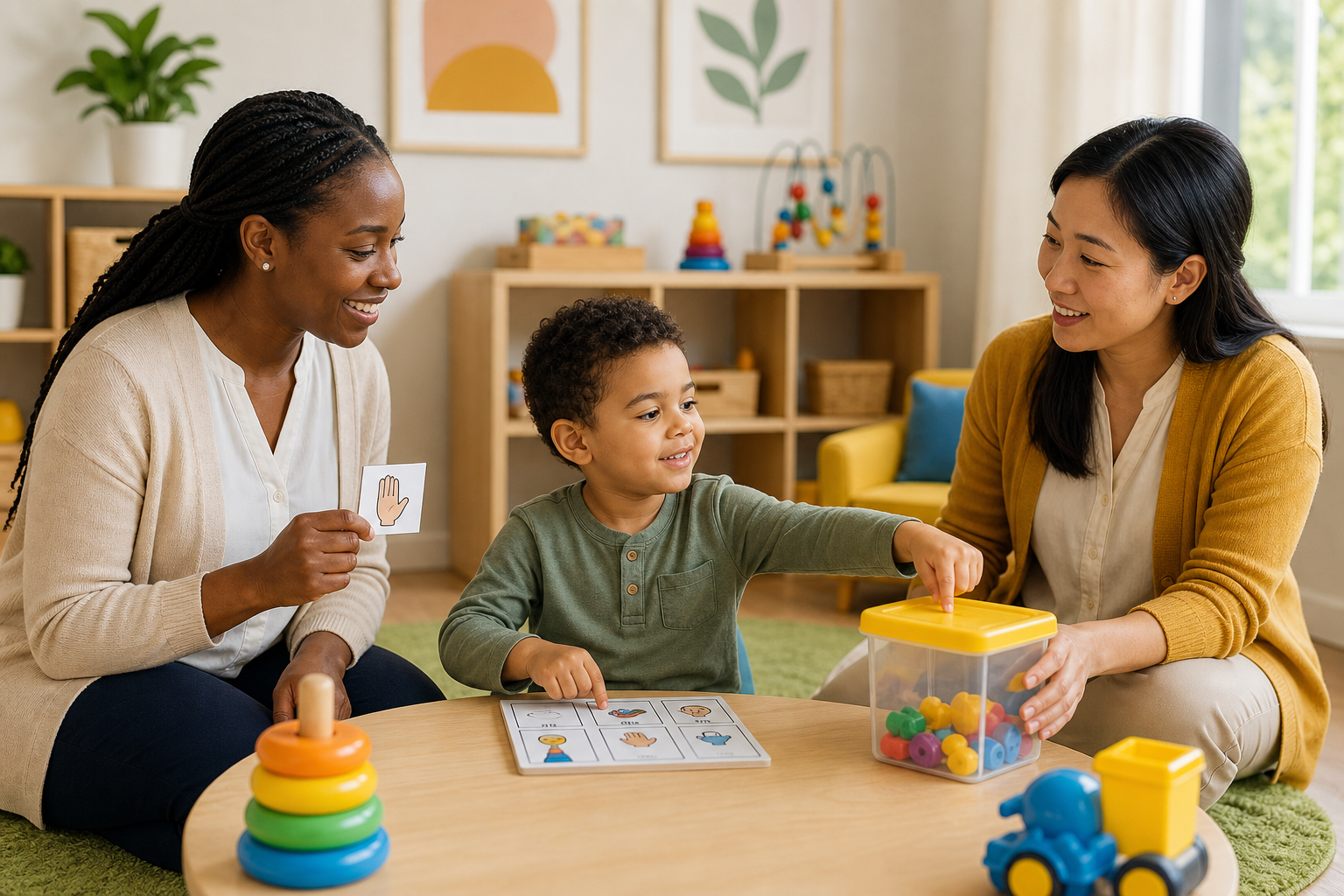
Instead of teaching solely in a clinic, skills are taught in the child’s natural surroundings. For instance, ABA therapy in home North Carolina allows therapists to teach communication, daily living, and social skills in the same spaces where the child will use them.
2. Multiple Examples and Settings
Children are given opportunities to practice skills in various environments and with different people. This ensures they don’t associate the skill with one specific person or place.
3. Parent and Caregiver Training
Parents are coached to reinforce skills during daily routines. For example, after a therapist teaches sharing, parents encourage the child to share toys with siblings at home. Families searching for ABA providers near me can benefit from programs that emphasize collaboration between therapists and caregivers.
4. Gradual Fading of Prompts
While prompts (like verbal cues or gestures) are helpful in teaching new skills, they must be faded gradually. This ensures that children can perform skills independently, not just when reminded.
5. Reinforcement Across Environments
Reinforcement (praise, rewards, or encouragement) should be used not only during therapy sessions but also in real-life situations. This consistency helps strengthen new skills.
Examples of Generalization in Daily Life
To better understand generalization, here are practical examples of how it may look in everyday settings:
- Communication Skills: A child who learns to request help during therapy begins asking for assistance from a teacher at school.
- Daily Living Skills: A child practices brushing teeth with a therapist, then continues brushing independently in the morning and evening at home.
- Social Skills: A child who practices turn-taking in therapy games also demonstrates turn-taking during recess with friends.
- Academic Skills: A child learns to count coins in therapy and later uses the skill to pay at a store with parents.
The Role of Schools in Generalization
For children in North Carolina, school based ABA therapy North Carolina offers an excellent platform to promote generalization. Skills learned during therapy sessions can be practiced in classrooms, lunchrooms, and playgrounds. Teachers and support staff work alongside ABA therapists to ensure children carry over these skills in academic and social contexts.

When schools, families, and therapists collaborate, children experience greater consistency and support across their environments.
How Families Can Encourage Generalization at Home
Parents and caregivers play a critical role in helping skills “stick.” Here are a few ways families can support generalization:
- Practice During Daily Routines
- Encourage your child to use learned skills in natural moments—such as greeting a neighbor, setting the dinner table, or asking for help with homework.
- Provide Opportunities for Social Practice
- Arrange playdates, group activities, or family gatherings where children can use their social and communication skills.
- Celebrate Small Successes
- Reinforce progress with praise, encouragement, or small rewards. Positive reinforcement boosts motivation to keep practicing.
- Stay Consistent
- Work with your ABA provider to ensure consistency in expectations and reinforcement across home, school, and therapy settings.
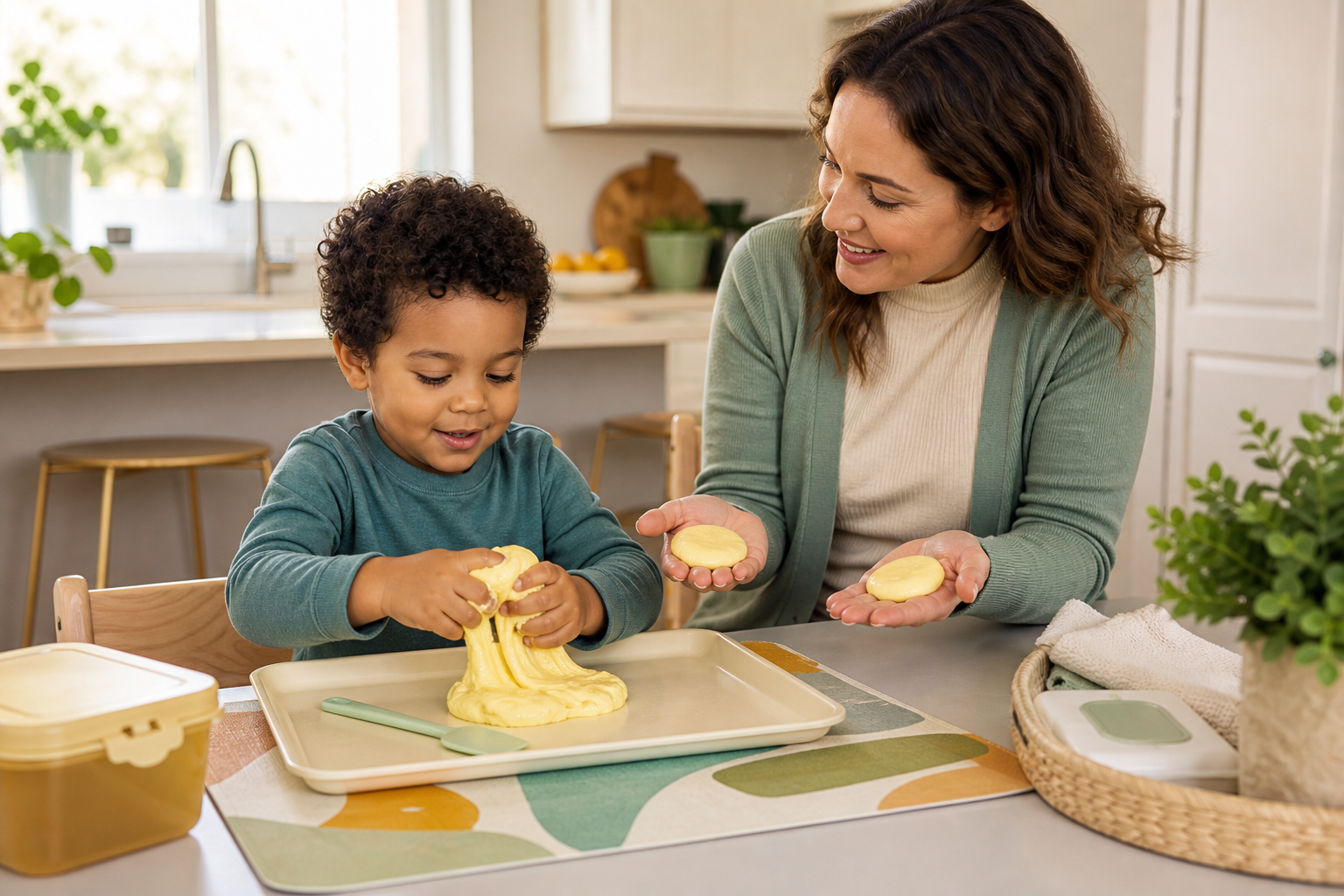
Families looking for ABA home therapy North Carolina or ABA therapy at home North Carolina can benefit from programs that bring therapists into the home environment, making practice seamless and natural.
Perfect Pair ABA’s Approach to Generalization
At Perfect Pair ABA, our mission is to empower families and children by ensuring that skills learned in therapy extend into everyday life. We design programs that emphasize:
- Individualized goals that focus on meaningful daily skills.
- Family coaching to help parents become active partners in reinforcing progress.
- Collaboration with schools to create consistency across learning environments.
- Community-based practice where children learn skills in real-world settings like parks, grocery stores, and libraries.
Our commitment ensures that families not only see progress during therapy sessions but also witness meaningful changes in their child’s day-to-day life.
Why Generalization in ABA Matters for Lifelong Success
The journey of ABA therapy doesn’t end when a child learns a skill in session—it only begins there. The true success of ABA is measured by how well those skills translate into real life. From building friendships to managing daily tasks, Generalization in ABA ensures that learning is practical, adaptable, and lasting.
Whether through school based ABA therapy North Carolina, ABA therapy in home North Carolina, or community practice, generalization empowers children to thrive in all areas of life. Families who partner with dedicated providers like Perfect Pair ABA can feel confident knowing their child is supported not only in therapy but in every step of their lifelong journey.
FAQs
What does Generalization in ABA mean?
Generalization in ABA refers to the ability of children to apply skills they learn during therapy across different environments, people, and situations. For example, if a child learns to follow directions in a therapy session, the goal is for them to follow directions at home, school, or in the community as well.
How does ABA therapy at home in North Carolina support generalization?
ABA therapy at home North Carolina allows children to practice new skills in the environment where they live and grow. By learning within their daily routines, such as mealtime, playtime, or bedtime, children are more likely to generalize skills and use them consistently in real life.
Can school based ABA therapy in North Carolina help with generalization?
Yes, school based ABA therapy North Carolina plays a vital role in promoting generalization. Skills such as communication, social interaction, and classroom behavior can be practiced and reinforced by both teachers and ABA providers, making the transition from therapy to school life seamless.
How do I find ABA providers near me who focus on generalization?
When searching for ABA providers near me, look for agencies that emphasize family involvement, collaboration with schools, and real-world practice. Providers like Perfect Pair ABA create customized programs that prioritize generalization, ensuring children succeed not just in sessions but in everyday life.
Why is generalization in ABA important for long-term success?
Generalization in ABA ensures that children don’t just learn skills in therapy sessions but also apply them throughout their lives. Without generalization, progress may remain limited to structured settings. By practicing in real-world environments—whether through ABA home therapy North Carolina or community activities—children gain the confidence and independence needed for lifelong success.