


Effective communication is a cornerstone of a child’s overall development. Many families seek specialized interventions to help children express themselves clearly and confidently. In-home ABA therapy North Carolina offers a personalized approach that fosters natural communication and language growth, giving children the tools they need to thrive in everyday life.
ABA Therapy, or Applied Behavior Analysis, is a scientifically backed method that helps children develop essential skills through structured and consistent learning opportunities. By focusing on observable behaviors and positive reinforcement, ABA Therapy enables children to gradually build their communication abilities in real-life situations.
Understanding Communication and Language Development
Communication encompasses more than just speaking. It includes understanding language, responding to others, and expressing needs and emotions. Language skills, in particular, allow children to convey thoughts effectively and engage with peers and adults confidently.
Children develop communication skills at different rates. Some may struggle to initiate conversations, answer questions, or follow multi-step instructions. ABA Therapy targets these challenges by breaking down complex communication tasks into manageable steps, promoting success and confidence at every stage.
The Role of ABA Therapy in Building Communication Skills
ABA Therapy focuses on teaching functional communication skills that children can apply naturally in their daily environments. By using positive reinforcement and repeated practice, children learn to communicate more effectively without feeling pressured or stressed.
A trained Board Certified Behavior Analyst (BCBA) designs interventions tailored to the child’s individual needs. These interventions are often embedded in play and everyday routines, making learning engaging and relevant. With consistent support, children gradually acquire new vocabulary, sentence structures, and conversational skills.
Personalized Learning Through ABA Therapy
Every child is unique, and ABA Therapy emphasizes individualized learning plans. By assessing a child’s strengths and areas of need, therapists develop goals that are achievable and meaningful.
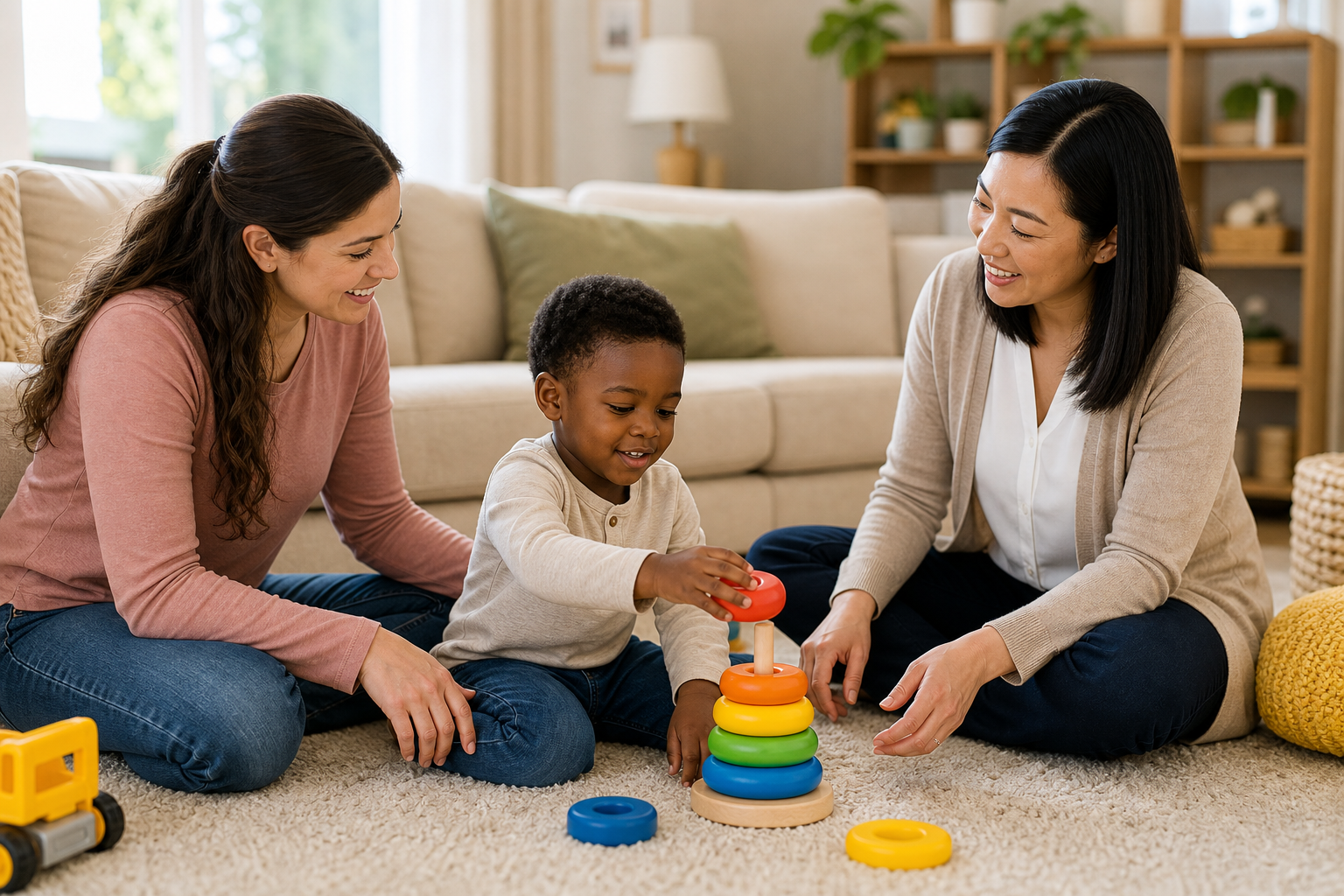
Personalized sessions often incorporate favorite toys, activities, and routines, helping children stay motivated while learning essential communication skills. The focus is on natural interactions, such as requesting items, responding to questions, and participating in conversations. This approach ensures skills are functional and transferable to everyday life.
Benefits of Home-Based ABA Therapy
Local ABA therapy at home provides several advantages over center-based programs. Children feel more comfortable and secure in their familiar surroundings, which can reduce anxiety and encourage more natural communication.
Home-based ABA Therapy also allows parents to participate directly in sessions. This collaboration ensures that strategies used during therapy are reinforced throughout the day, creating more opportunities for children to practice communication skills.
Benefits of home ABA therapy include increased engagement, personalized instruction, and consistency across multiple settings. Families report improved daily interactions and stronger parent-child connections as a result of this approach.
Building Language Skills Step by Step
ABA Therapy emphasizes breaking down complex language skills into smaller, teachable units. For example, a therapist may focus first on single-word requests, then progress to short phrases, and eventually build full sentences.
This incremental approach allows children to master foundational skills before moving on to more complex communication. Repetition, positive reinforcement, and naturalistic learning opportunities help reinforce these skills, making them an integral part of the child’s daily interactions.

Natural Learning Through Play and Everyday Activities
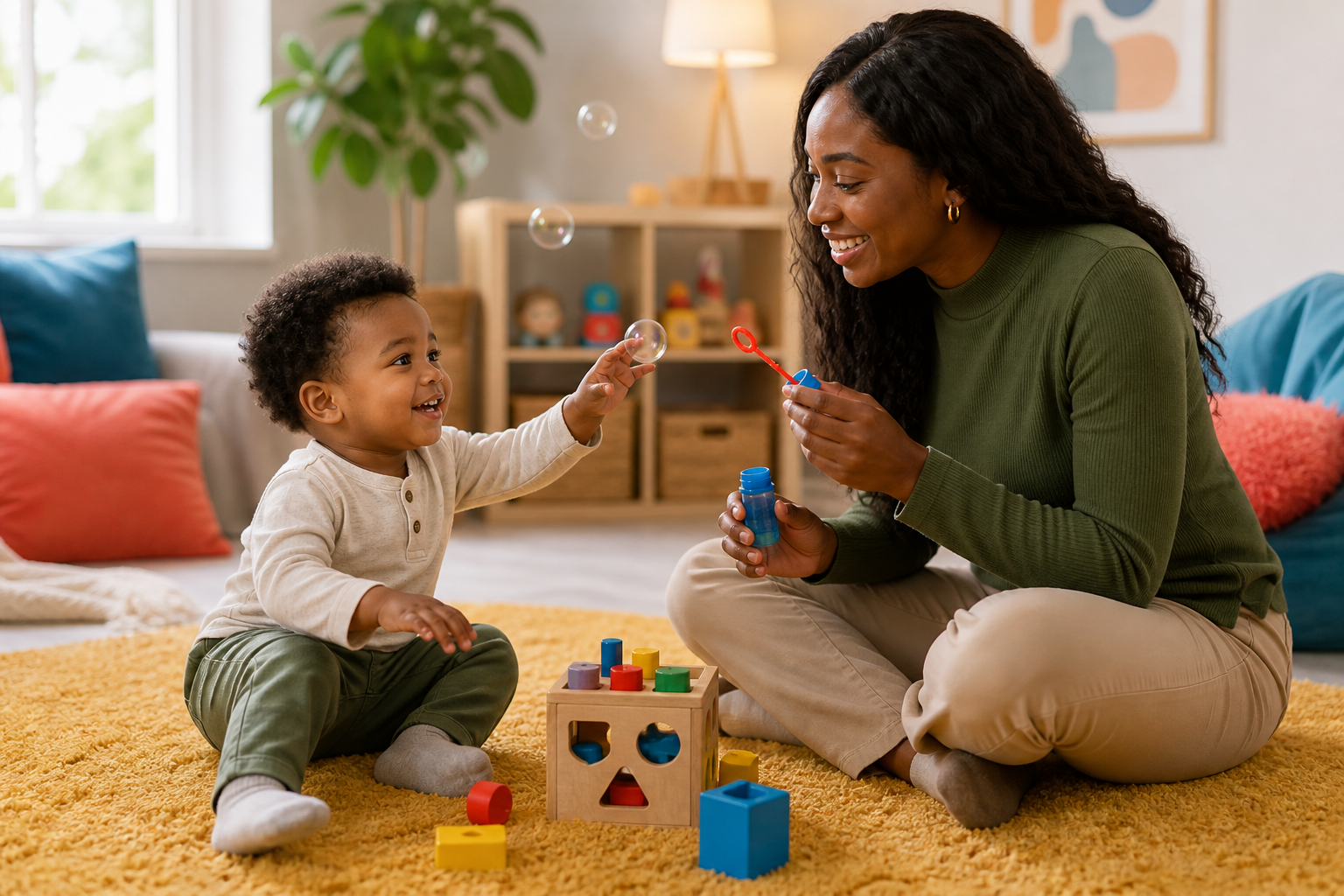
Play is a powerful tool for learning, and ABA Therapy incorporates playful interactions to make language acquisition enjoyable. Children practice communication during games, storytelling, and shared activities, which encourages spontaneous speech and social engagement.
Integrating language learning into daily routines also reinforces communication skills naturally. Simple activities like mealtime conversations, reading books together, or following simple household instructions create meaningful practice opportunities that help children apply what they learn in therapy to real-world situations.
Parental Involvement and Collaborative Support
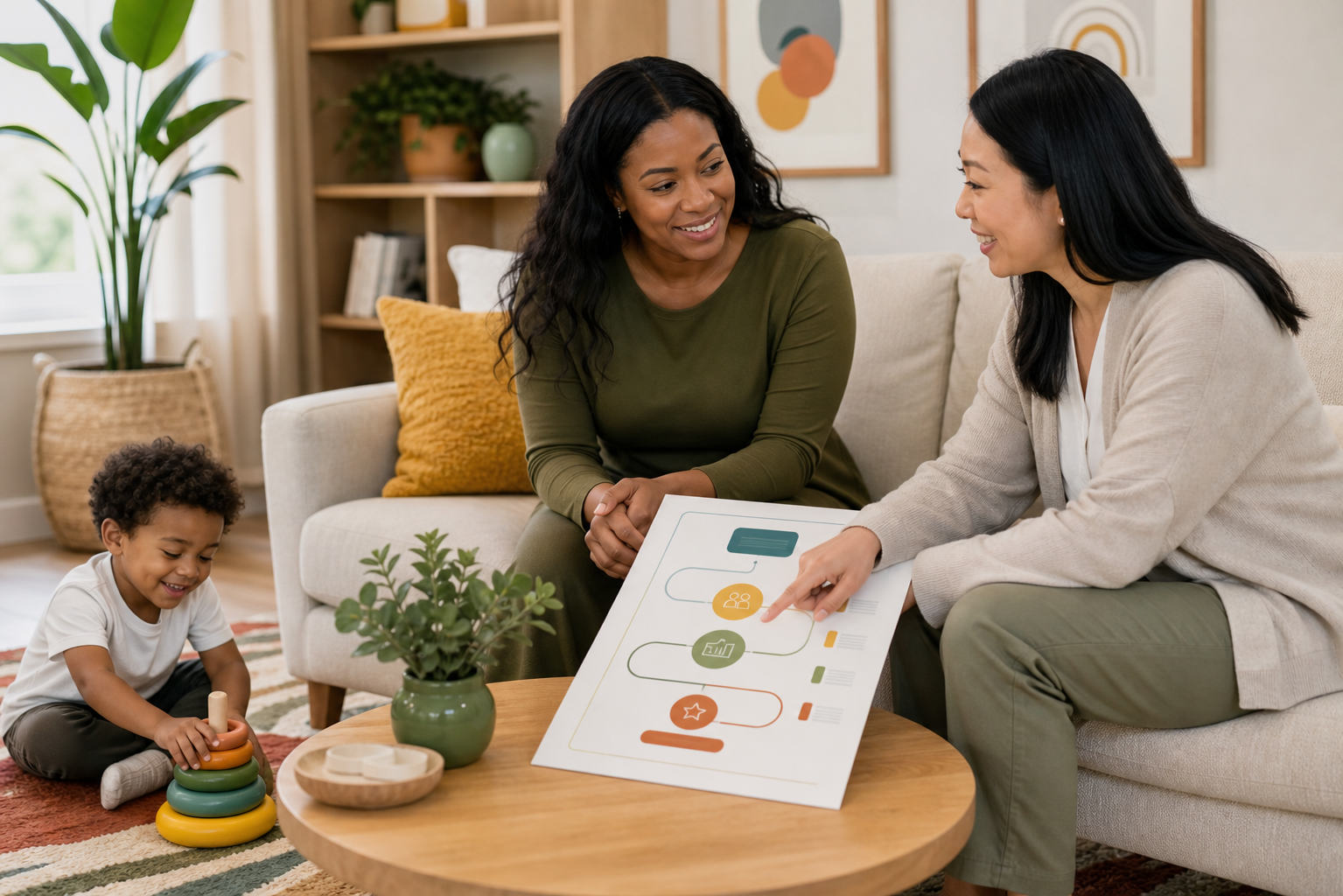
Active parental involvement is key to the success of ABA Therapy. Therapists guide parents on how to encourage communication skills at home, ensuring continuity between therapy sessions and daily life.
Regular feedback and collaboration between therapists and families enable parents to track progress and reinforce skills effectively. This team approach ensures children experience consistent support, boosting their confidence and motivation to communicate.
Career Opportunities in ABA Therapy
The demand for qualified professionals in this field continues to grow. BCBA jobs provide an opportunity to make a meaningful impact on children’s lives while contributing to a team that emphasizes natural skill development and family collaboration.
Working in ABA Therapy requires dedication, empathy, and a commitment to evidence-based practices. Professionals have the chance to see tangible progress in their clients, making it a highly rewarding career choice.
ABA Therapy in North Carolina
Families across the state benefit from accessible ABA Therapy services. Whether through ABA Therapy in North Carolina centers or home-based programs, children gain the skills they need to communicate effectively and engage confidently in social situations.
North Carolina’s ABA programs emphasize individualized learning, parent collaboration, and naturalistic teaching strategies, ensuring that children not only achieve short-term communication goals but also build long-lasting skills.
Conclusion
ABA Therapy provides a structured yet flexible approach to building communication and language skills naturally. By focusing on individualized learning, positive reinforcement, and real-world practice, children acquire functional communication abilities that support their growth and independence. Home-based programs and parental involvement further enhance the learning process, making ABA Therapy an effective choice for families seeking meaningful progress.
At Perfect Pair ABA, we build strong partnerships among our staff, parents, and children to help our clients master important life skills. With personalized interventions and play-filled sessions, our children flourish and positively contribute to family life.
FAQs
What is ABA Therapy and how does it help communication?
ABA Therapy, or Applied Behavior Analysis, is a structured approach that teaches children functional communication skills. By breaking down complex language tasks into smaller steps and reinforcing positive behaviors, children gradually learn to express themselves clearly, follow instructions, and engage in meaningful conversations.
How does in-home ABA therapy in North Carolina benefit children?
In home ABA therapy North Carolina allows children to learn communication and language skills in familiar surroundings. Home-based therapy increases comfort, reduces distractions, and provides parents with direct guidance to reinforce skills throughout the day. This personalized environment often leads to faster progress and more natural skill application.
What is the difference between local ABA therapy at home and center-based programs?
Local ABA therapy at home offers individualized sessions in a child’s familiar environment, making learning more comfortable and effective. In contrast, center-based programs may involve multiple children and less one-on-one time. Home therapy allows for personalized interventions tailored to the child’s unique needs, with active parental involvement.
What are the key benefits of home ABA therapy?
The benefits of home ABA therapy include:
- Personalized, one-on-one instruction.
- Learning in familiar, stress-free surroundings.
- Opportunities for parents to reinforce skills throughout the day.
- Consistent and natural practice of communication and language skills.
How does ABA Therapy help children develop language naturally?
ABA Therapy teaches language through step-by-step instruction and reinforcement. Therapists use play, daily routines, and functional communication exercises to help children practice new words, phrases, and sentences. This approach ensures that language skills are meaningful, functional, and easily applied in real-life situations.
How can parents be involved in ABA Therapy sessions?
Parents can actively participate by observing sessions, practicing skills at home, and providing feedback to therapists. This collaboration strengthens the learning process, helps maintain consistency, and ensures children continue to develop communication skills outside therapy sessions.
Are there career opportunities related to ABA Therapy?
Yes, there are many BCBA jobs and other positions in the field of ABA Therapy. Professionals can work in home-based programs, clinics, or schools, helping children build essential life and communication skills. These careers are highly rewarding and allow individuals to make a meaningful impact on children’s development.
Can ABA Therapy in North Carolina be adapted for different age groups?
Absolutely. ABA Therapy in North Carolina is highly flexible and can be tailored to children of various ages. Therapists adjust techniques, goals, and reinforcement strategies to match the child’s developmental stage, ensuring effective communication and language skill growth.