


Every child deserves the opportunity to grow with confidence, emotional understanding, and a strong sense of self-worth. ABA Therapy (Applied Behavior Analysis) offers more than just behavioral improvement—it nurtures emotional intelligence and self-assurance through positive reinforcement, structured learning, and personalized care.
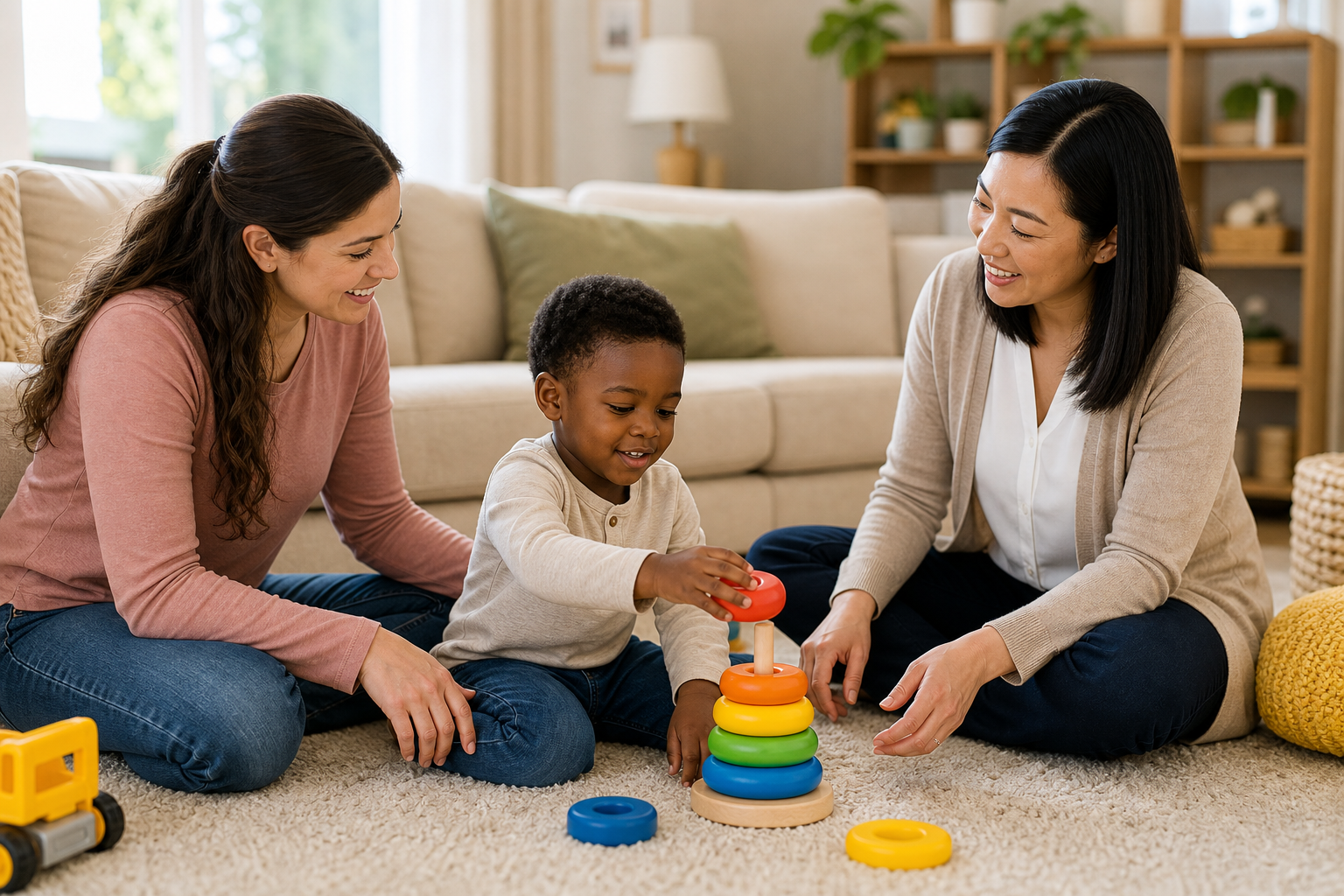
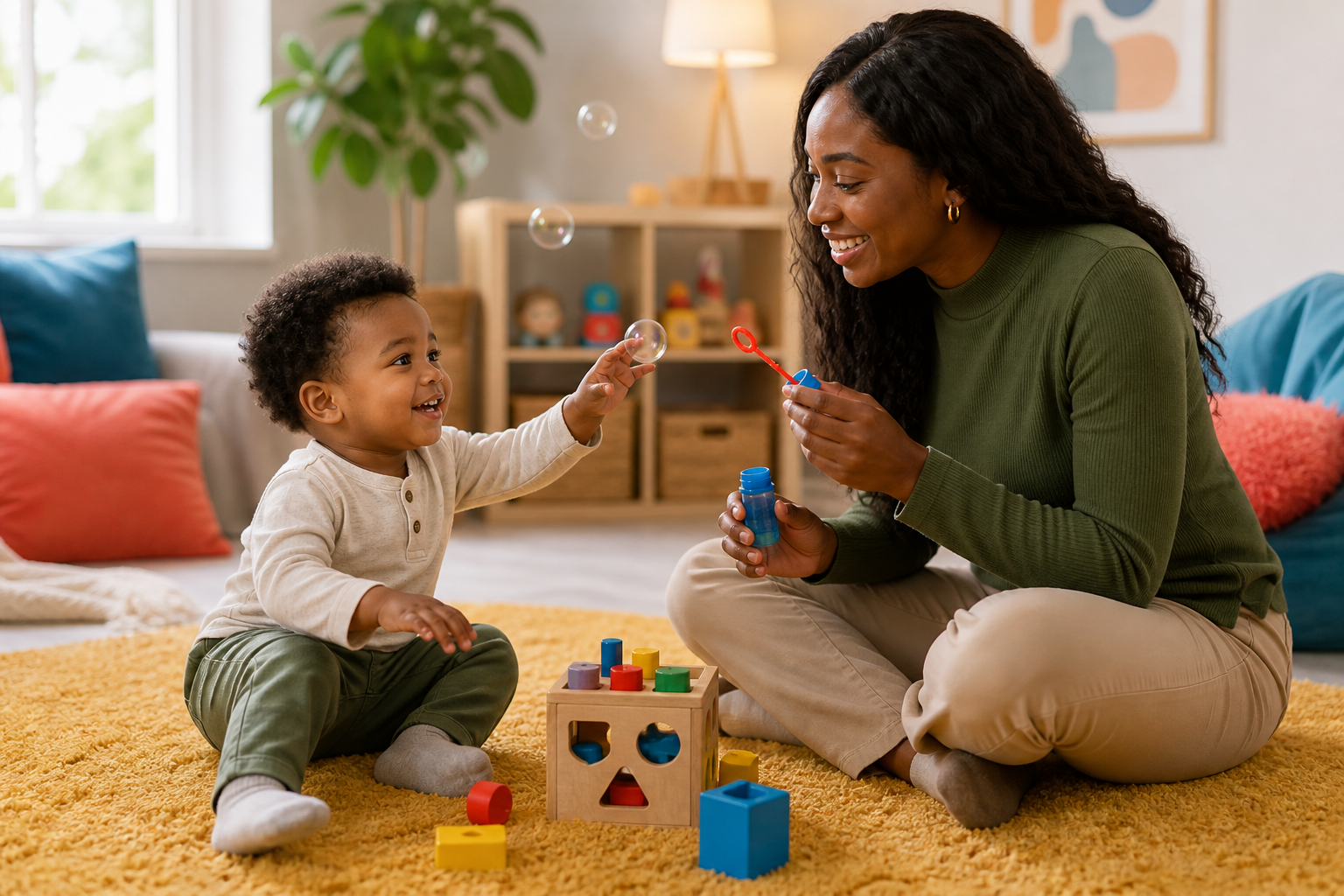
At Perfect Pair ABA, our mission is to empower families and children by providing evidence-based care tailored to individual needs. With home based ABA therapy North Carolina, families can experience the benefits of therapy in a familiar, supportive environment—where progress feels natural and lasting.
Understanding the Connection Between Confidence and Emotional Intelligence
Self-confidence and emotional intelligence are deeply connected. Confidence allows children to take initiative, while emotional intelligence helps them understand their own feelings and empathize with others. ABA Therapy promotes both by teaching children to recognize emotions, respond appropriately to challenges, and celebrate their progress.
Through structured routines and consistent reinforcement, children begin to internalize positive behaviors and develop self-assurance. Each success, no matter how small, builds trust in their abilities and enhances their ability to manage emotions effectively.
How ABA Therapy Promotes Self-Confidence in Children
Building confidence is a gradual process, and ABA Therapy supports this journey in several impactful ways:
1. Positive Reinforcement Builds Trust and Motivation
One of the foundations of ABA is positive reinforcement—rewarding desired behaviors to encourage repetition. When a child experiences praise or a reward after completing a task, they feel capable and valued. This consistent recognition becomes a building block for self-confidence, showing them that effort leads to success.
For example, when a child learns to share, follow instructions, or complete a task independently, therapists acknowledge these actions immediately. Over time, this consistent positive feedback helps the child believe in their own potential.
2. Personalized Goals Encourage Growth
Every child is unique, and their confidence grows best when progress is measured against their own milestones rather than others. ABA therapists collaborate with families to set individualized goals that align with the child’s strengths and challenges.
By celebrating each personal achievement, children learn that progress isn’t about perfection—it’s about consistent effort. This mindset helps them develop perseverance and pride in their accomplishments, both essential traits for lifelong confidence.
3. Structured Routines Create a Sense of Mastery
Structure brings predictability, which helps children feel more secure and capable. ABA Therapy introduces step-by-step learning processes, where skills are broken down into small, manageable tasks.
Each successful step helps the child feel a sense of mastery. For example, learning to complete a morning routine—like brushing teeth or organizing a backpack—instills independence and control. As children master daily activities, their confidence grows organically.
4. Encouraging Independent Decision-Making
Confidence thrives when children are allowed to make choices and see the results of their decisions. In ABA sessions, therapists often incorporate opportunities for children to choose their activities, rewards, or play items.
These small choices teach responsibility and strengthen self-trust. Over time, this nurtures a sense of independence—helping children become confident decision-makers in school, at home, and in social settings.
How ABA Therapy Builds Emotional Intelligence
Emotional intelligence involves understanding, managing, and expressing feelings effectively. It also includes empathy—the ability to recognize and respond to others’ emotions. ABA Therapy helps children develop these vital emotional and social skills through guided learning and consistent practice.
1. Recognizing and Labeling Emotions
The first step toward emotional intelligence is identifying emotions. ABA therapists use visual aids, stories, and real-life examples to help children recognize different feelings like happiness, frustration, or pride.

By learning to label emotions correctly, children can better express themselves and understand the feelings of others. This reduces confusion and frustration, laying the foundation for emotional balance.
2. Learning Appropriate Emotional Responses
Understanding emotions is only half the journey—responding appropriately is equally important. ABA Therapy teaches children how to handle strong emotions like disappointment or excitement through modeled behavior and reinforcement.
For example, instead of reacting impulsively, children learn strategies such as taking deep breaths or asking for help. These coping mechanisms build emotional maturity and self-control, which are crucial for building healthy relationships.
3. Enhancing Empathy and Social Awareness
Emotional intelligence flourishes when children can relate to others. Therapists guide children through social interactions and role-play scenarios that encourage perspective-taking.
By learning to consider others’ feelings, children build empathy—a cornerstone of emotional intelligence. This skill improves friendships, family relationships, and future teamwork experiences.
4. Strengthening Communication Skills
Emotionally intelligent communication allows children to express needs clearly and respond respectfully. ABA sessions often involve communication training, where therapists model tone, expression, and body language.
When children learn how to express feelings like joy, sadness, or gratitude, they strengthen their emotional vocabulary. This leads to greater confidence during conversations and interactions, both at home and in group environments.
The Long-Term Impact of ABA Therapy on Personal Growth
The benefits of ABA Therapy extend beyond immediate skill development—it sets the stage for lifelong emotional resilience. As children continue to grow, the confidence and emotional intelligence they develop become valuable assets in academics, relationships, and self-expression.
Children who feel capable are more willing to explore new experiences and take on challenges. Similarly, those who understand emotions navigate social settings with greater ease and empathy.
These abilities translate into leadership, cooperation, and compassion—all qualities that prepare children for success and happiness in every stage of life.
The Role of Families in Building Confidence and Emotional Growth
At Perfect Pair ABA, we believe that family participation is key to lasting progress. Parents and caregivers play an essential role in reinforcing the skills learned during therapy sessions.
When families use the same strategies and reinforcement methods at home, children experience consistent expectations and encouragement. This consistency strengthens the connection between learning and real-world application, helping children feel confident both in therapy and everyday life.
Families who partner with aba providers near me can access personalized guidance and home support, ensuring that their child’s emotional development continues beyond structured sessions.
Opportunities for Growth: Careers That Empower Change
Behind every successful ABA program are compassionate professionals dedicated to improving lives. If you’re seeking bcba jobs near me, Perfect Pair ABA offers rewarding opportunities to make a difference.
Board Certified Behavior Analysts (BCBAs) work closely with families, supervise therapy programs, and design individualized treatment plans that foster self-confidence and emotional growth. Joining this field not only shapes children’s futures but also provides a meaningful and fulfilling career path.
Why Choose Perfect Pair ABA
Perfect Pair ABA provides exceptional, family-centered services designed to empower children through structured guidance and emotional understanding. Our commitment goes beyond behavior change—we help children discover their strengths, celebrate achievements, and embrace their potential.
Whether you’re exploring home based aba therapy North Carolina or searching for aba providers near me, Perfect Pair ABA is dedicated to supporting every step of your child’s growth journey.
With our expert team, collaborative approach, and compassionate care, we help children build a strong foundation for confidence, emotional intelligence, and lifelong success.
Conclusion
Developing confidence and emotional intelligence is essential for every child’s well-being and success. ABA Therapy offers a research-based, compassionate approach that guides children toward independence, resilience, and emotional strength.
At Perfect Pair ABA, we take pride in creating a nurturing environment where children can learn, grow, and shine. Through structured learning, family collaboration, and consistent support, we empower children to believe in themselves and connect meaningfully with the world around them.
When children are confident and emotionally aware, they don’t just adapt—they thrive. And with Perfect Pair ABA by their side, they’re on the path to a brighter, more confident future.
FAQs
How does ABA Therapy help children build self-confidence?
ABA Therapy helps children build self-confidence by using positive reinforcement to celebrate small achievements. Each time a child completes a task or demonstrates progress, they receive praise or a reward, which boosts their motivation and self-esteem. Over time, these consistent successes help children trust their own abilities and feel proud of their growth.
Can ABA Therapy improve emotional understanding in children?
Yes. ABA Therapy teaches children to recognize, label, and manage emotions effectively. Through structured lessons, visual aids, and role-playing, therapists guide children in identifying emotions like happiness, frustration, and excitement. This emotional awareness helps them express themselves clearly and respond to others with empathy.
Why is emotional intelligence important for children’s development?
Emotional intelligence helps children manage feelings, build positive relationships, and adapt to different social settings. When children understand emotions—both their own and others’—they communicate better, resolve conflicts peacefully, and develop empathy. ABA Therapy strengthens these emotional skills through guided practice and consistent feedback.
What role do parents play in supporting ABA Therapy at home?
Parents play a crucial role in reinforcing the lessons learned during ABA sessions. When families apply the same strategies and techniques at home, children experience consistent expectations and encouragement. This consistency boosts confidence and helps children apply emotional regulation and social skills in real-life situations.
How does home based ABA therapy in North Carolina support family involvement?
Home based ABA therapy North Carolina programs provide therapy sessions in the child’s natural environment. This allows therapists to involve parents directly in sessions and teach strategies they can continue using daily. It also ensures that the child feels comfortable and supported in a familiar space, which promotes better learning and emotional growth.