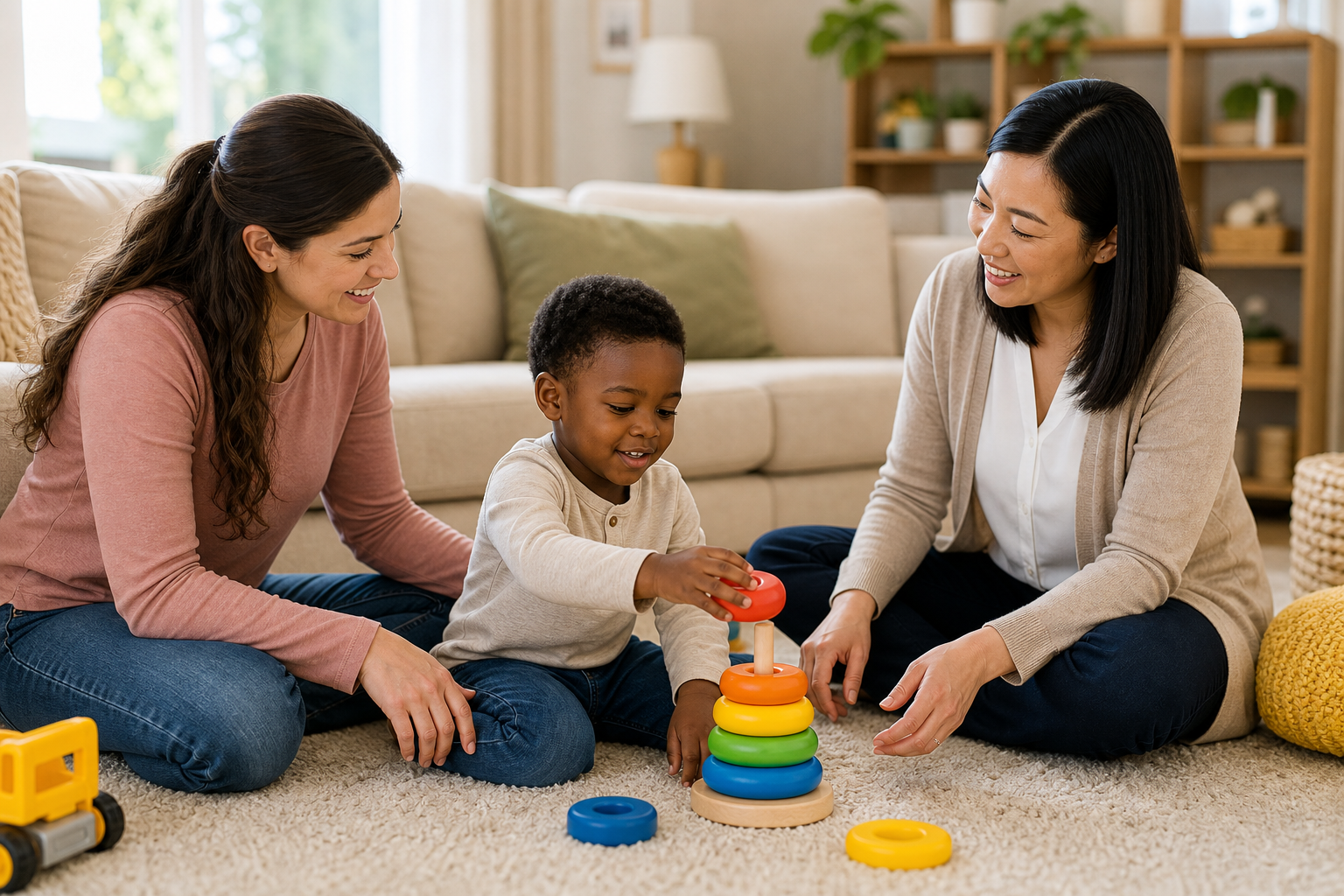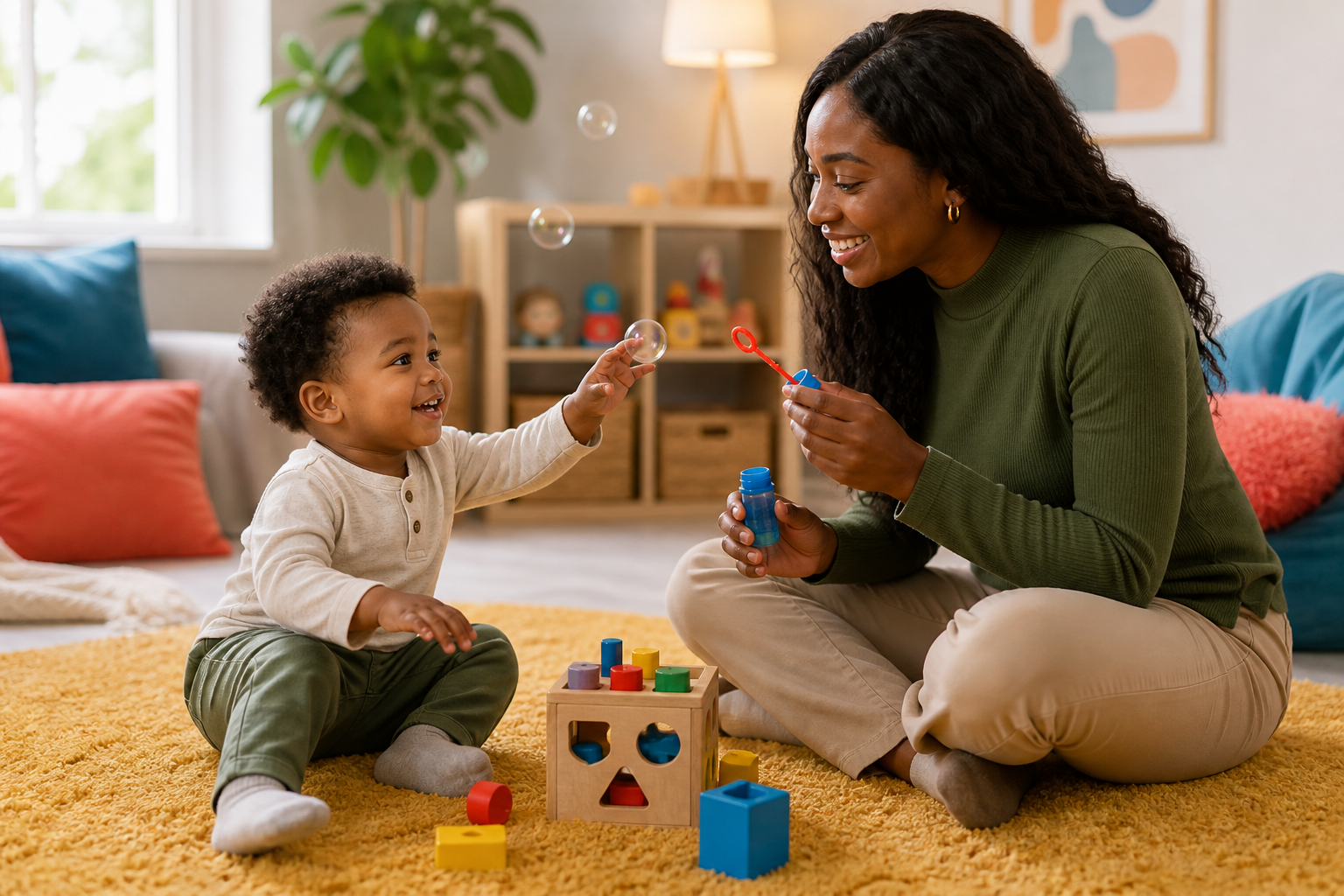



Life is full of transitions, and for children, changes like moving to a new home, starting a new school, or welcoming a new sibling can feel overwhelming. While these milestones are exciting, they also bring challenges that can impact a child’s routine, emotions, and behavior. ABA Therapy offers structured support to help children navigate these transitions successfully, making adjustments smoother for both children and families.
Understanding Big Transitions in a Child’s Life
Big transitions often disrupt the predictable routines that children rely on for stability. These changes can trigger anxiety, frustration, and sometimes challenging behaviors, as children work to understand their new environment or situation. Examples of significant transitions include:
- Moving to a New Home: Adjusting to a new environment, unfamiliar neighborhood, and potentially new caregivers or routines.
- Starting a New School: Meeting new teachers and classmates, learning new rules, and adapting to different schedules.
- Welcoming a New Sibling: Adjusting to divided attention from parents, sharing resources, and understanding new family dynamics.
Each transition requires a set of skills, including emotional regulation, communication, flexibility, and problem-solving. ABA Therapy focuses on these skills, helping children feel more confident and prepared to handle change.
How ABA Therapy Supports Children During Transitions
ABA Therapy is a structured, evidence-based approach that focuses on teaching functional skills and improving adaptive behavior. When applied to life transitions, it equips children with strategies to anticipate, understand, and respond to change.
Preparing for the Change
One of the first steps in helping children manage transitions is preparation. ABA therapists often use visual supports, social stories, and role-playing to introduce the upcoming change. For example:
- Moving to a New Home: Children can be guided through pictures of the new home, layout maps, or step-by-step explanations of moving day routines.
- Starting a New School: Therapists may create a social story that outlines the first day, lunch routines, classroom expectations, and introductions to teachers and classmates.
- Welcoming a New Sibling: ABA Therapy can help children understand the sequence of events, such as hospital visits, bringing the baby home, and new family routines.
By anticipating the change, children develop a sense of control and are less likely to feel anxious or overwhelmed.
Developing Coping Skills
Transitions often involve emotional stress. ABA Therapy teaches coping skills to manage frustration, sadness, or excitement in positive ways. Techniques include:
- Identifying Emotions: Children learn to recognize their feelings and communicate them effectively.
- Self-Regulation Strategies: Breathing exercises, counting, or using a calm-down corner can help children manage overwhelming emotions.
- Problem-Solving: Children are guided to think through solutions for potential challenges, such as asking for help when lost in a new school or negotiating sharing time with a sibling.
These skills promote independence and confidence, making children more adaptable in new situations.
Reinforcing Positive Behavior
ABA Therapy emphasizes positive reinforcement to encourage desired behaviors. During transitions, reinforcement can motivate children to engage in adaptive behaviors and routines. Examples include:
- Following New Routines: Praising or rewarding a child for successfully completing a new school schedule or bedtime routine.
- Expressing Feelings Appropriately: Providing recognition for using words or visual tools to communicate emotions instead of acting out.
- Adapting to Change: Reinforcing efforts to explore new environments or interact with new peers.
This approach ensures that children associate positive outcomes with adaptive behavior, making them more likely to navigate future transitions effectively.
Practicing Social Skills
Transitions often involve new social demands, such as interacting with peers or teachers. ABA Therapy provides structured opportunities to practice social skills, including:
- Making Introductions: Teaching children to greet new classmates or neighbors appropriately.
- Sharing and Turn-Taking: Preparing for situations like having a new sibling or joining group activities.
- Conflict Resolution: Guiding children to resolve disagreements calmly and constructively.
By rehearsing these skills in a controlled environment, children gain confidence and are better prepared for real-life interactions.
Individualized Support Plans
Every child is unique, and ABA Therapy creates individualized plans tailored to each child’s needs, preferences, and challenges. For example:
- Some children may need more visual support, while others benefit from verbal instruction or interactive role-play.
- Therapists may coordinate with parents and teachers to ensure strategies are consistent across home and school settings.
- Progress is monitored regularly, allowing therapists to adjust techniques based on the child’s response.
This personalized approach ensures that interventions are effective and directly relevant to each child’s transition.
ABA Therapy in Different Transition Scenarios
Let’s explore how ABA Therapy is applied to specific transitions in children’s lives.
Moving to a New Home
Relocating to a new home can disrupt routines, friendships, and familiar surroundings. ABA Therapy can:
- Introduce the new environment gradually with pictures, floor plans, or visits.
- Break down moving tasks into manageable steps, like packing personal belongings or labeling boxes.
- Reinforce positive behavior during the moving process, such as helping with chores or following new household rules.

This structured support helps children adjust emotionally and practically, reducing resistance and anxiety.
Starting a New School
Starting a new school introduces social and academic challenges. ABA Therapy can:
- Use social stories to explain daily routines, classroom expectations, and lunch procedures.
- Role-play typical school interactions, such as asking for help or joining a group activity.
- Encourage the development of independence skills, like organizing school supplies or following schedules.
Children are thus better prepared to engage positively with teachers and peers, promoting a smoother school transition.
Welcoming a New Sibling
The arrival of a new sibling can create feelings of jealousy, confusion, or insecurity. ABA Therapy can:
- Teach children about the new baby through pictures, social stories, or practice scenarios.
- Reinforce positive behavior when children help with the baby or follow new routines.
- Support emotional expression by guiding children to communicate feelings instead of acting out.
This guidance helps children feel included and capable, fostering stronger family relationships.
Benefits of ABA Therapy During Transitions
The structured and evidence-based nature of ABA Therapy offers several advantages for children navigating big life changes:
- Reduced Anxiety: Predictable routines and preparation strategies help children feel more secure.
- Improved Adaptability: Children learn to respond flexibly to new situations.
- Enhanced Communication: Teaching effective expression of emotions and needs prevents frustration and misunderstandings.
- Strengthened Family Support: Parents and caregivers are equipped with strategies to guide children during transitions.
- Increased Independence: Children gain skills to manage challenges on their own, boosting self-confidence.
By addressing both behavioral and emotional needs, ABA Therapy creates a strong foundation for children to thrive during change.
Partnering with Families and Schools
ABA Therapy is most effective when there is consistent collaboration between therapists, families, and schools. For instance:
- Parents can implement strategies at home, reinforcing skills learned during therapy sessions.
- Teachers can support routines and social skills in the classroom.
- Regular communication ensures that interventions are consistent and responsive to the child’s evolving needs.
This holistic approach ensures that children receive consistent guidance across all environments, making transitions smoother and more successful.
Conclusion
Big transitions, such as moving to a new home, starting a new school, or welcoming a new sibling, can be challenging for children. ABA Therapy provides the structure, skills, and support needed to navigate these changes effectively. By teaching coping strategies, reinforcing positive behavior, and practicing social skills, ABA Therapy equips children with the tools to approach transitions with confidence and adaptability.
With personalized plans and consistent collaboration between therapists, families, and schools, children can embrace life’s changes with resilience. For families looking for expert guidance, Perfect Pair ABA provides ABA Therapy services designed to support children and foster lifelong success.
FAQs
What is ABA Therapy and how does it help children during transitions?
ABA Therapy is a structured, evidence-based approach that teaches children practical skills, coping strategies, and adaptive behaviors. It helps children navigate big changes like moving, starting a new school, or welcoming a new sibling by reducing anxiety and building confidence.
Can ABA Therapy support children who are starting a new school?
Yes. ABA Therapy can prepare children for new routines, classroom expectations, and social interactions. Techniques such as role-playing and visual schedules make it easier for children to adapt to a new school environment.
How does ABA Therapy help children adjust to moving to a new home?
ABA Therapy breaks down moving tasks into manageable steps, introduces the new environment gradually, and reinforces positive behavior throughout the transition. This approach helps children feel secure and confident in unfamiliar surroundings.
Is ABA Therapy effective for children dealing with a new sibling?
Absolutely. ABA Therapy teaches children how to express emotions, share attention, and adjust to new family dynamics. Children learn adaptive strategies that reduce stress and promote positive interactions with their new sibling.
How can ABA Therapy be integrated at home and school?
ABA Therapy works best when strategies are consistent across home and school settings. Parents and teachers can implement visual supports, social stories, and reinforcement systems recommended by therapists to ensure smooth transitions.
How do children develop coping skills through ABA Therapy?
Children are taught to recognize their emotions, communicate their feelings, and use self-regulation strategies. These skills help them manage stress and respond positively during big changes.
Can ABA Therapy help children become more independent during transitions?
Yes. ABA Therapy focuses on teaching functional skills, problem-solving, and adaptive behaviors. These skills empower children to handle new routines and situations with greater confidence.
How long does it take for children to adjust with ABA Therapy support?
Adjustment times vary depending on the child and type of transition. ABA Therapy provides ongoing support and individualized plans, helping children gradually adapt while reinforcing positive behaviors along the way.
Are there ABA Therapy services available locally for families?
Families seeking support can find options such as aba home therapy Richmond VA, best in home ABA therapy near me, and ABA therapy services near me. Many therapists also collaborate with schools through school-based ABA or school based ABA therapy programs.
Why is ABA Therapy a good choice for families during big life changes?
ABA Therapy provides structured support, teaches practical life skills, and fosters emotional resilience. It equips children with tools to manage transitions confidently, making life changes less stressful for both children and families.