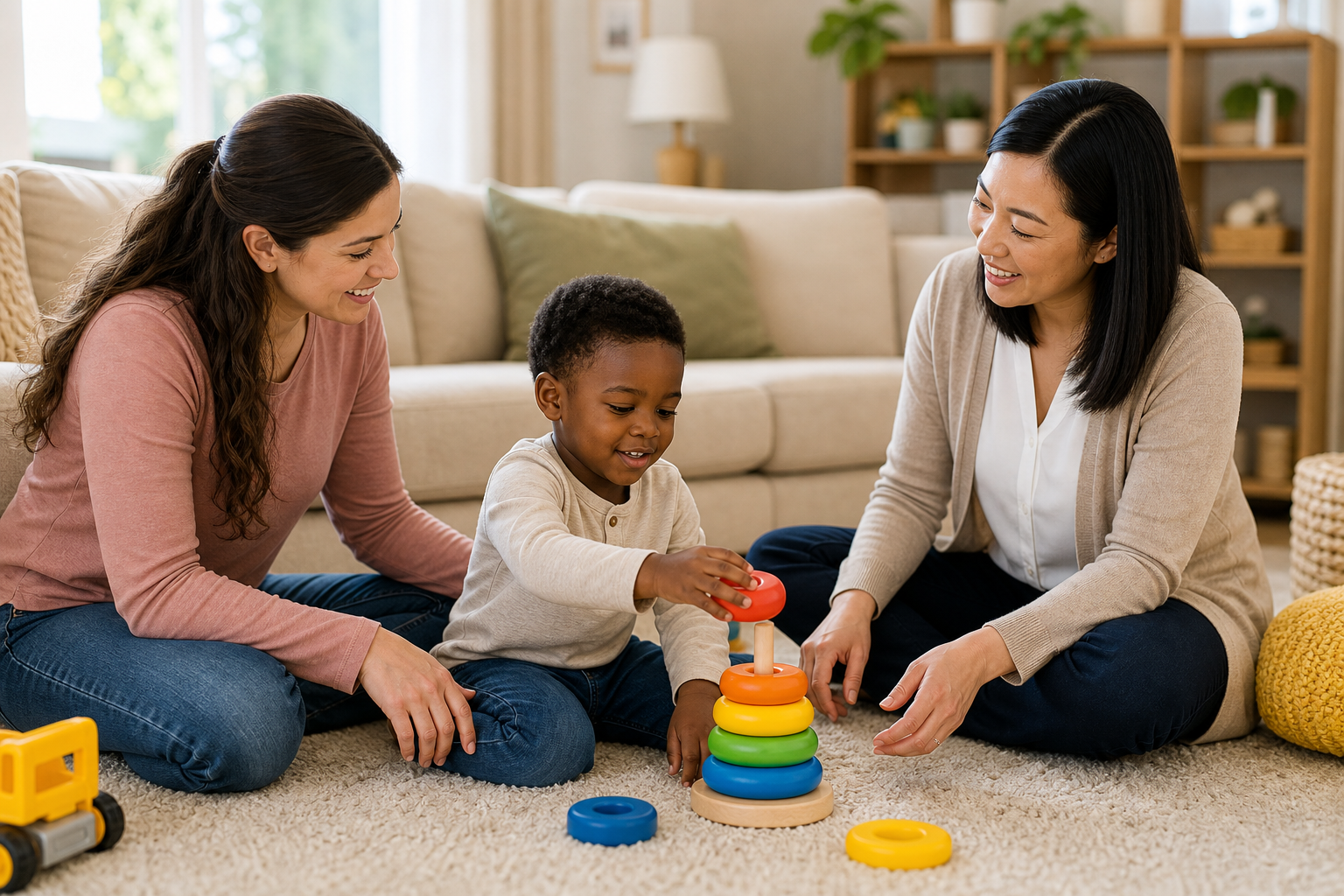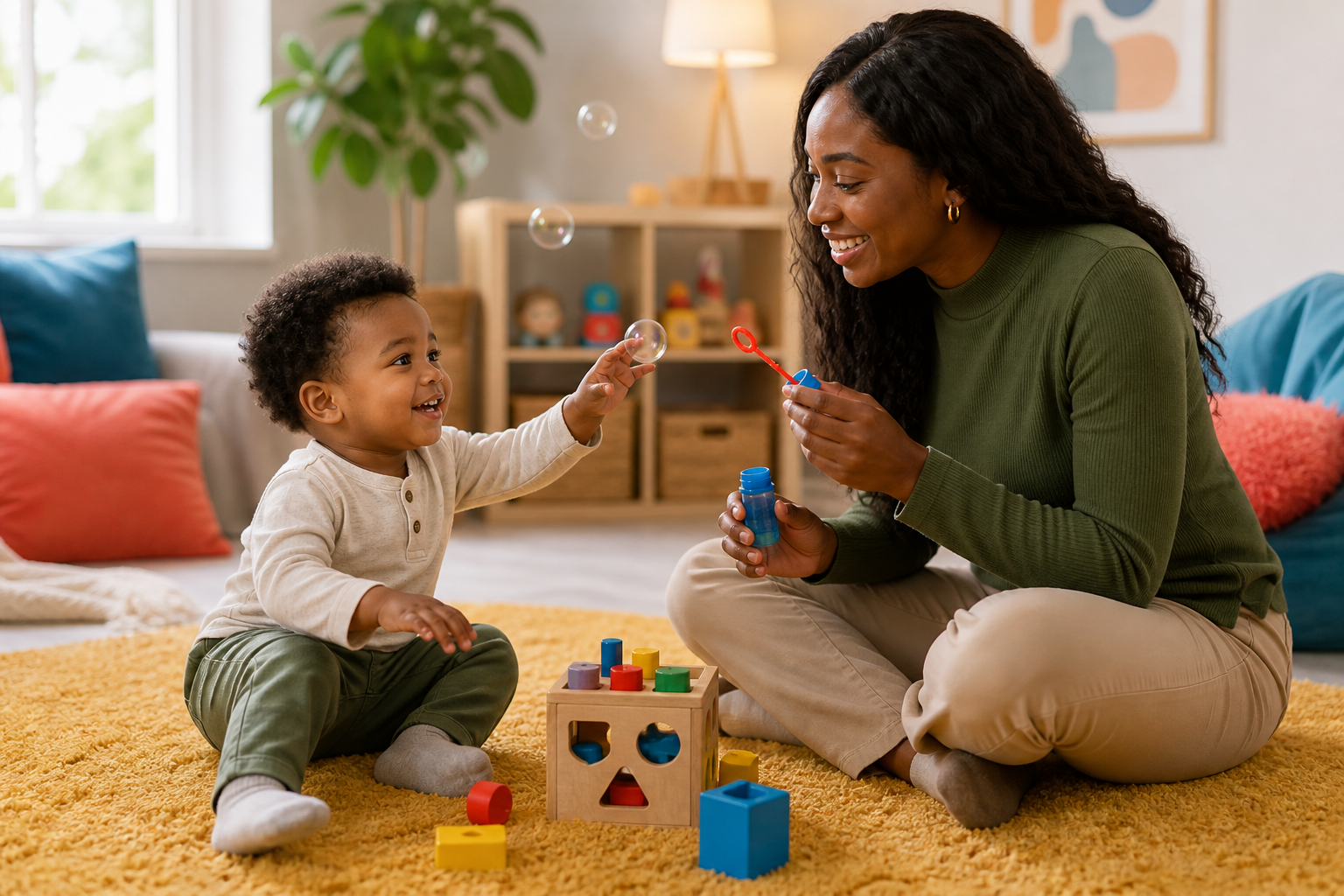



Every child experiences the world in a unique way. For some, everyday sights, sounds, and textures can feel overwhelming, leading to frustration, withdrawal, or difficulty concentrating. That’s where ABA Therapy steps in to provide structured support, helping children build tolerance, adaptability, and self-regulation. Perfect Pair ABA offers compassionate and evidence-based care designed to help each child grow at their own pace. If you’re searching for trusted professionals who understand your child’s needs, explore our applied behavior analysis Greensboro NC services today to see how personalized interventions can make daily life smoother and more enjoyable.
Understanding Processing Challenges in Children
Children with processing challenges often face difficulties interpreting and responding appropriately to information from their environment. These experiences can impact learning, communication, and behavior—especially in settings like classrooms, social gatherings, or home routines.
These challenges can vary widely. Some children may become overstimulated in busy or noisy spaces, while others may seek extra movement or pressure to feel comfortable. Over time, this can lead to behaviors that appear defiant or withdrawn, though they are actually signs of coping with overwhelming input.
ABA Therapy focuses on understanding the underlying reasons for these behaviors. By carefully observing triggers, responses, and outcomes, Board Certified Behavior Analysts (BCBAs) develop customized strategies that help children adapt in a positive, encouraging way.
The Science Behind ABA Therapy
ABA Therapy (Applied Behavior Analysis) is rooted in the science of learning and behavior. It teaches new skills through positive reinforcement and structured techniques that break down complex tasks into manageable steps.
For children with processing difficulties, this approach can help them build comfort in new environments, learn self-regulation skills, and replace challenging behaviors with constructive alternatives.
Therapists often begin by conducting assessments to understand a child’s preferences, sensitivities, and coping mechanisms. They then develop a plan that focuses on measurable goals—such as staying calm during transitions, following routines, or engaging in group activities.
With consistent practice and family participation, children often experience improvements in emotional regulation and social participation.
Creating Calm and Predictable Environments
One of the most effective strategies in ABA Therapy is creating predictable routines. Consistency helps children feel safe and reduces anxiety about unexpected changes.
For example, if a child struggles during morning routines, a therapist may design a visual schedule or use step-by-step prompts to guide them. Over time, this repetition helps the child anticipate what comes next, increasing independence and confidence.
Additionally, therapists collaborate with parents to modify the home environment—such as adjusting lighting, noise levels, or the pace of transitions—to better support comfort and focus. This approach ensures that the child’s progress isn’t limited to the therapy session but extends throughout daily life.
Families seeking professional guidance often find it beneficial to work with local providers who understand their community. Searching for aba therapy at home near me can connect parents with compassionate professionals who bring personalized support right into their child’s familiar space.
Strengthening Emotional Regulation and Communication
Processing challenges can sometimes lead to frustration, meltdowns, or difficulty expressing emotions. ABA Therapy helps children identify feelings, recognize their triggers, and learn coping techniques that promote calm and clarity.
Therapists use evidence-based methods to teach emotional awareness and communication skills through interactive games, modeling, and positive reinforcement. For instance, a therapist might encourage a child to request a break using a visual card or phrase when feeling overwhelmed.
This empowers the child to express needs effectively rather than resorting to avoidance or challenging behaviors. Over time, these tools foster greater emotional balance and resilience, helping children engage more successfully with peers, teachers, and family members.
The Role of Parents in Supporting Progress
Parents are essential partners in every step of ABA Therapy. When families actively participate, children experience more consistent learning across settings.
Therapists often provide parent training sessions to teach strategies that align with the child’s individualized behavior plan. This may include how to recognize triggers, reinforce positive behaviors, or guide their child through transitions calmly.

Through collaboration, parents not only gain confidence in managing challenging moments but also strengthen their bond with their child. Every small success—like staying calm during a haircut or completing a school project—becomes a shared victory that reflects teamwork and growth.
Practical Techniques That Make a Difference
The effectiveness of ABA Therapy lies in its ability to use simple, structured methods to achieve meaningful change. Some common techniques include:
1. Positive Reinforcement
Rewarding desired behaviors—such as following directions or asking for help—encourages children to repeat them. Rewards can be verbal praise, tokens, or favorite activities.
2. Task Analysis
Breaking down complex tasks (like getting dressed or cleaning up toys) into smaller, easier steps helps children master each component without becoming overwhelmed.
3. Visual Supports
Visual cues, such as pictures or charts, help children understand expectations and navigate daily routines. These supports are particularly helpful in managing transitions and reducing uncertainty.
4. Functional Communication Training
This technique teaches children to express needs appropriately rather than relying on behaviors like crying or avoiding tasks. Over time, children develop better self-advocacy and problem-solving skills.
Collaboration Across Environments
Children benefit most when the strategies used in ABA Therapy are consistently applied across home, school, and community settings. Therapists often collaborate with teachers and caregivers to ensure continuity.
In classrooms, this might mean developing quiet corners for breaks, using visual reminders for schedules, or introducing reinforcement systems that align with the child’s goals. At home, it can involve maintaining similar routines and reward systems to reinforce stability.
Through teamwork, children gain a stronger sense of predictability and can generalize their progress to new situations—one of the most powerful outcomes of behavior-based learning.
Opportunities in the ABA Field
As more families recognize the positive impact of ABA Therapy, the demand for trained professionals continues to grow. For individuals interested in making a difference, opportunities like rbt jobs near me offer rewarding paths to support children’s development and empower families.
Registered Behavior Technicians (RBTs) play a vital role in implementing therapy plans, observing progress, and celebrating each milestone achieved by the child. Working closely with BCBAs, they ensure that every session remains compassionate, consistent, and goal-driven.
For anyone passionate about helping children thrive, pursuing a career in behavior analysis can be both meaningful and fulfilling.
Long-Term Benefits of ABA Therapy
Beyond immediate improvements in behavior and adaptability, ABA Therapy provides children with lifelong tools for success. It promotes independence, emotional stability, and problem-solving abilities—skills that carry into adolescence and adulthood.
Families often report that their children develop greater confidence in daily activities, improved communication with peers, and enhanced learning readiness. These achievements contribute to stronger relationships, better academic outcomes, and an overall sense of accomplishment.
Most importantly, the benefits extend beyond the child. Parents and caregivers gain knowledge, support, and hope as they witness steady progress and newfound joy in everyday experiences.
Empowering Families with Perfect Pair ABA
At Perfect Pair ABA, we believe every child deserves compassionate guidance tailored to their unique strengths and challenges. Our dedicated team of professionals combines science-backed techniques with heartfelt care to create meaningful change that lasts a lifetime.
By focusing on individualized programs, consistent communication, and family collaboration, we ensure that children not only meet goals but also discover their potential in every step of the journey.
If you’re ready to help your child build comfort, confidence, and new skills, reach out to Perfect Pair ABA today. Together, we can create positive, lasting change—one small step at a time.
About Us:
Perfect Pair ABA provides ABA Therapy services that support families and enable lifelong success. Our mission is to empower children through evidence-based strategies, nurturing growth and harmony in every home.
FAQs
What is ABA Therapy, and how does it help kids with processing challenges?
ABA Therapy, or Applied Behavior Analysis, is a science-based approach that helps children improve focus, adaptability, and communication. For kids who experience processing difficulties, it teaches coping strategies, emotional regulation, and daily living skills through positive reinforcement and structured learning.
How does ABA Therapy create comfort for children in daily environments?
ABA Therapy uses predictable routines, visual supports, and step-by-step strategies to make daily activities easier and less overwhelming. By breaking tasks into smaller parts and reinforcing calm, positive behaviors, children gain confidence and independence in everyday settings like school or home.
What are some common techniques used in ABA Therapy?
Some common ABA techniques include:
- Positive Reinforcement – Rewarding desired behaviors to encourage repetition.
- Task Analysis – Teaching tasks in small, manageable steps.
- Functional Communication Training – Helping children express needs effectively.
- Visual Supports – Using pictures or schedules to guide routines.
These methods make learning more consistent and enjoyable for children with processing challenges.
Can ABA Therapy be done at home?
Yes. Many families choose in-home therapy for comfort and convenience. Searching for aba therapy at home near me can help parents find local providers who deliver personalized sessions in familiar settings, making it easier for children to generalize new skills across daily routines.
How does ABA Therapy involve parents in the process?
Parents are key partners in the success of ABA Therapy. Therapists offer parent training to teach reinforcement techniques, communication strategies, and ways to handle challenging moments calmly. With consistent collaboration, children experience faster and longer-lasting progress.
How long does it take to see results from ABA Therapy?
Progress depends on the child’s needs, goals, and consistency of practice. Some children show improvement within weeks, while others benefit from ongoing sessions over several months. Regular communication between parents and therapists ensures the plan remains effective and adaptable.