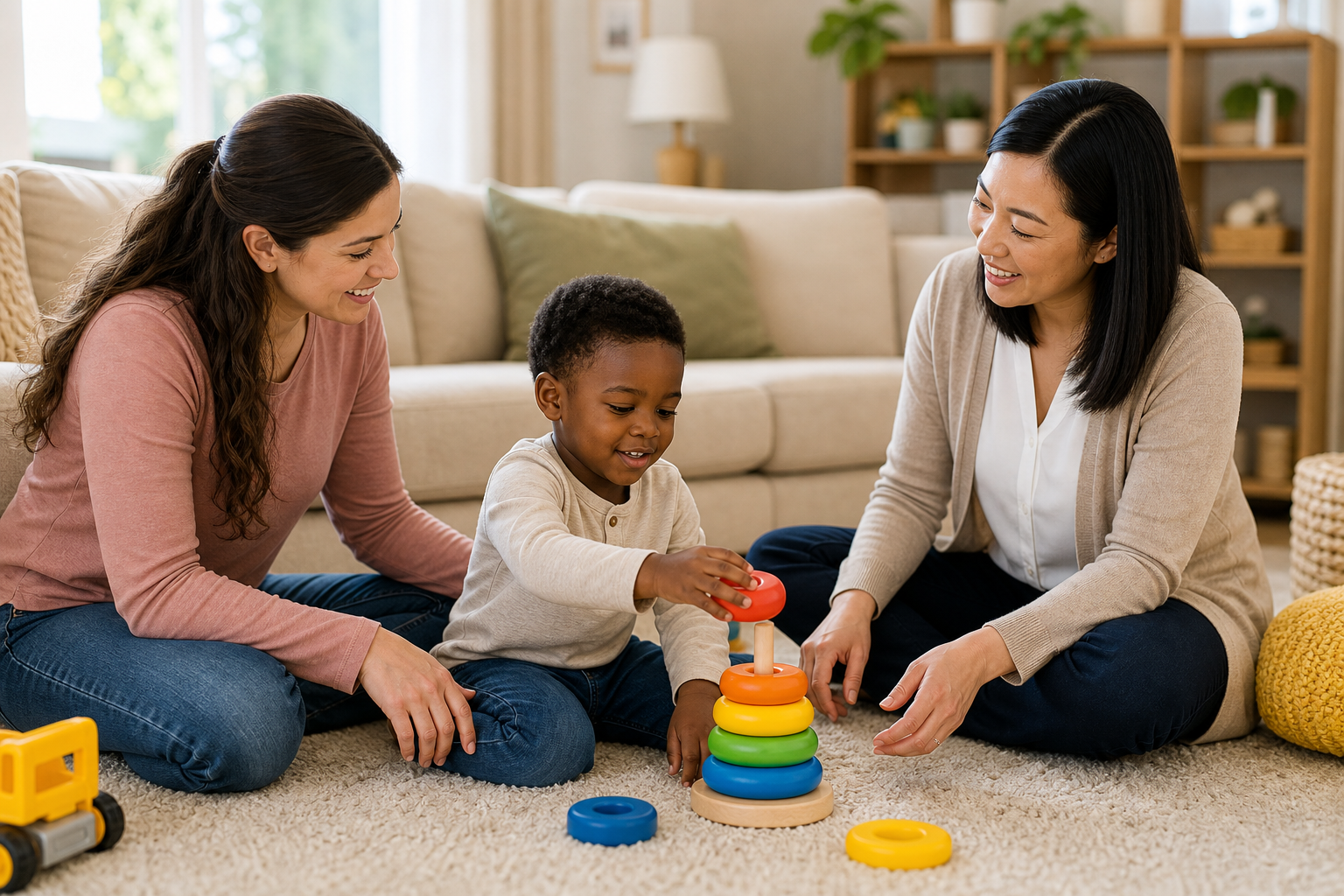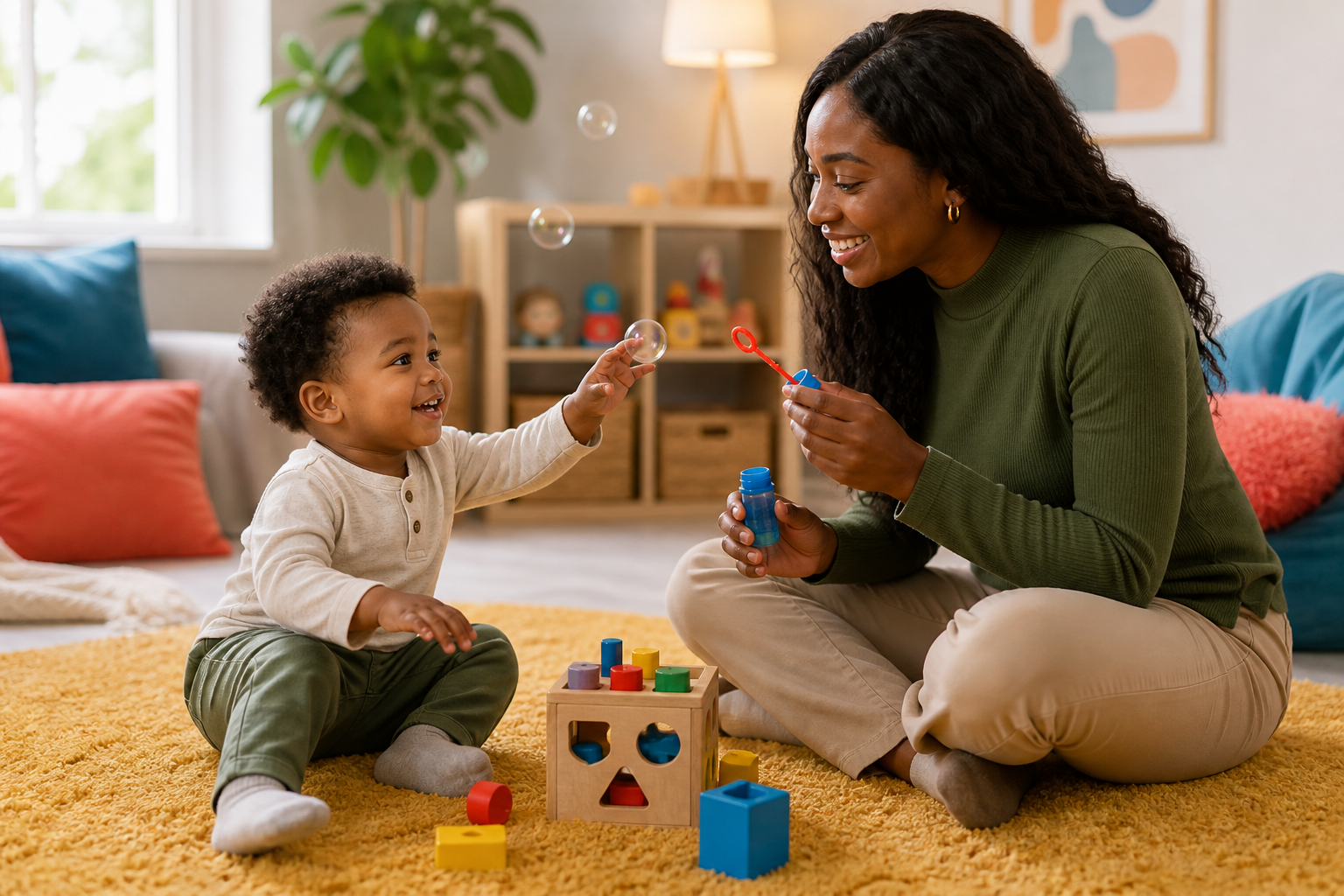



School readiness is an essential milestone for children with autism, and ABA therapy plays a critical role in preparing children for a successful transition into the classroom environment. ABA (Applied Behavior Analysis) therapy focuses on building essential skills that support children in various areas such as communication, peer interactions, routine following, and handling transitions. In this article, we will explore how ABA therapy helps support school readiness, with a particular focus on transition skills, communication in class, peer interaction, and generalization from home to school.
Transition Skills: Preparing for Change
One of the biggest challenges for children with autism is managing transitions, whether it’s from home to school, from one activity to another, or even between different areas within the classroom. ABA therapy helps children learn how to handle these transitions with greater ease, promoting a smoother experience as they move through different environments.
1. Teaching Predictable Routines
ABA therapists use structured routines to teach children how to navigate transitions. This includes using visual schedules, timers, or other tools that can help the child understand what’s coming next. For example, a child might be taught when it’s time to clean up after a classroom activity, how to transition to a different task, or how to move from one part of the day to another (such as from playtime to circle time).
2. Behavioral Strategies for Transitions
For children who have difficulty with sudden transitions, ABA therapists use positive reinforcement strategies to make transitions smoother. The therapist may provide praise or small rewards when the child successfully transitions between activities or follows instructions without resistance. This reinforcement helps children understand that transitions are a normal part of daily routines, reducing anxiety and promoting cooperation.
Communication in Class: Enhancing Verbal and Non-Verbal Skills
Effective communication is one of the most important skills children need to be successful in a school environment. ABA therapy places significant focus on helping children develop both verbal and non-verbal communication skills to enhance their ability to participate in class and interact with others.
1. Increasing Verbal Communication
For children with limited verbal communication, ABA therapy uses techniques such as prompting, modeling, and reinforcement to help children increase their spoken language. This might include teaching children how to ask for items, express their needs, or respond to simple classroom instructions. The goal is to help children become more independent in expressing themselves, which improves their ability to engage in the classroom.
2. Non-Verbal Communication
Not all children with autism communicate verbally, so ABA therapy also focuses on developing non-verbal communication skills. This can include teaching children to use gestures, picture exchange systems (PECS), or augmentative and alternative communication (AAC) devices. These tools allow children to communicate their needs and interact with peers and teachers effectively, even if they are not yet able to speak clearly.
3. Following Directions
A key part of school readiness is the ability to follow classroom instructions. ABA therapy works with children to help them understand and follow simple, multi-step directions, which is critical for success in a structured school setting. Whether it’s following instructions to complete a task or responding to a teacher’s request, ABA therapy helps children develop this essential skill through repetition and reinforcement.
Following Routines: Understanding School Structure
Children with autism may struggle with the structured routines of school, which often include fixed schedules and expectations. ABA therapy helps children understand and follow these routines, which is crucial for success in the classroom.
1. Visual Supports for Routine Learning
ABA therapy uses visual supports such as picture schedules, charts, and timers to help children understand the sequence of activities during the school day. Visual supports make the structure of the school day clearer and more predictable, which helps reduce anxiety and allows the child to follow along with classroom routines more easily.
2. Reinforcing Routine Compliance
ABA therapists reinforce compliance with routines by rewarding children for completing tasks such as sitting in their seat during circle time, cleaning up after activities, or staying on task during independent work. These behaviors are consistently reinforced to help children internalize the structure and routine of school life.
3. Flexibility in Routine
While school routines are structured, ABA therapy also teaches children to be flexible and adapt to changes in routine. For example, if the schedule is altered or a new activity is introduced, the therapist will work with the child to help them transition smoothly and understand that change is a natural part of the day. This flexibility is crucial for adapting to the school environment, where schedules may not always go as planned.
Generalization From Home to School: Ensuring Consistency Across Environments
One of the key benefits of ABA therapy is its focus on generalization—the ability to apply learned skills across different environments. ABA therapy supports school readiness by ensuring that the skills a child learns at home or in therapy are transferable to the school setting.
1. Bridging Home and School Routines
ABA therapists work with parents to ensure that the skills and routines being taught in therapy are implemented at home. By practicing these skills at home, the child becomes more comfortable using them in the classroom. This consistency helps children make smoother transitions from home to school, as they understand what is expected of them in both environments.
2. Collaboration with Teachers
ABA therapists collaborate with teachers to ensure that the strategies used in therapy are being reinforced in the classroom. This ensures that children can apply what they’ve learned in therapy to a school environment. For example, if a child has learned to use a communication device or ask for help during therapy, these strategies will be supported and reinforced in the classroom setting as well.
How to Get Started with ABA Therapy for School Readiness
If you’re considering ABA therapy to support your child’s school readiness, the first step is to contact a provider like Perfect Pair ABA. We can conduct an assessment to determine your child’s specific needs and develop a personalized treatment plan to target school readiness skills.
Conclusion
ABA therapy plays a crucial role in supporting school readiness for children with autism. By focusing on transition skills, communication, peer interaction, and following routines, ABA therapy prepares children to thrive in the school environment. With consistent reinforcement and collaboration between parents, therapists, and teachers, children can develop the skills they need to succeed academically and socially.
If you’re interested in learning more about how ABA therapy supports school readiness, visit at School-Based ABA Therapy for more information.
FAQs
What skills does ABA therapy focus on for school readiness?
ABA therapy focuses on transition skills, communication in class, peer interaction, and following routines, all of which are essential for success in the school environment.
How does ABA therapy help with transitions at school?
ABA therapy teaches children to manage transitions by using visual schedules, behavioral reinforcement, and structured routines. These tools help children adapt to changes and navigate different activities throughout the school day.
How does ABA therapy support peer interactions at school?
ABA therapy teaches social skills, such as taking turns, making eye contact, and starting conversations. These skills are reinforced in the classroom through role-playing, peer modeling, and positive reinforcement.