


Community involvement plays a vital role in fostering growth for children with autism. Engaging children in structured community activities provides them with real-life opportunities to develop essential skills in a supportive environment. Families seeking aba therapy services near me often find that combining therapy with community participation accelerates learning and reinforces skills acquired during sessions.
When children participate in community programs such as art classes, sports teams, or local clubs, they gain exposure to social interactions and structured routines. These experiences are instrumental in helping them understand societal expectations and develop meaningful connections with peers.
Encouraging Social Interaction
Community activities offer a natural platform for children with autism to practice communication and socialization. In structured group settings, children learn how to take turns, share, and respond to peers’ cues.
Social interaction in these settings complements in-home therapy programs like in-home aba therapy Richmond VA, providing practical opportunities for children to generalize skills learned in therapy to real-world scenarios. For example, participating in a community painting class allows children to communicate preferences, ask for assistance, and collaborate with classmates. These experiences build confidence and help children feel more comfortable navigating social settings.
Developing Emotional Understanding
Participation in community programs exposes children with autism to various emotional expressions, which is crucial for emotional growth. Children learn to recognize feelings such as excitement, frustration, or empathy, both in themselves and others.
Structured activities allow them to experience controlled challenges, such as waiting their turn or handling minor setbacks, which can help develop patience and emotional resilience. Over time, repeated exposure to these situations strengthens their ability to cope with unexpected events in daily life.
Enhancing Communication Skills
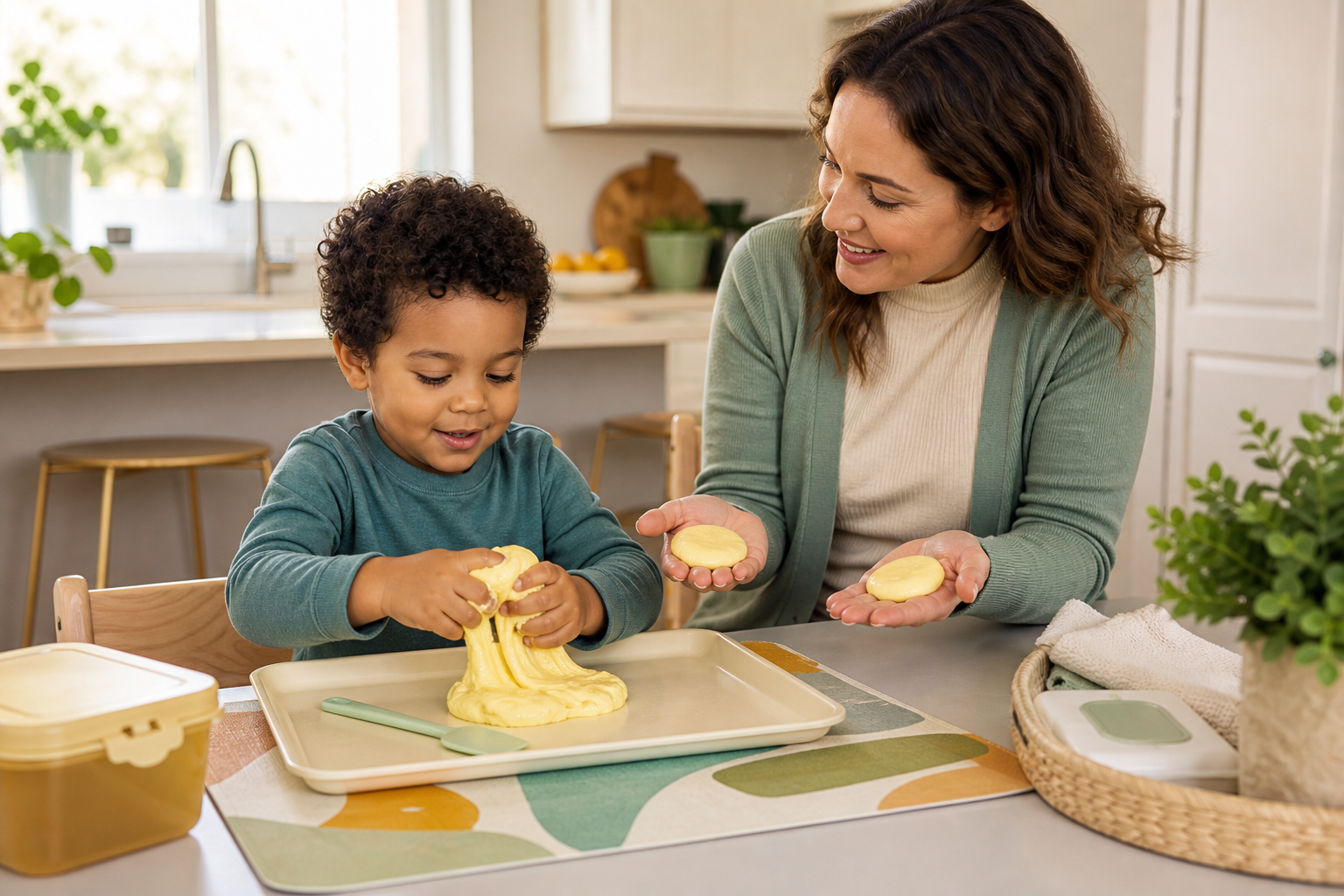
Community engagement is an effective way to enhance communication skills for children with autism. Whether it’s through verbal instructions in a cooking class or non-verbal cues in a sports activity, children practice essential language and communication skills.
Parents and caregivers can complement these experiences by reinforcing language and interaction skills at home. Incorporating strategies learned from therapy sessions into community participation helps children bridge the gap between clinical settings and everyday life. For example, after learning to request items during an in-home session, a child might practice asking for materials during a local craft workshop.
Building Independence
Community activities foster independence by encouraging children to take initiative in safe, supportive environments. Simple tasks like following a schedule, choosing an activity, or cleaning up afterward help children develop self-management skills.
For families seeking aba therapy services near me, integrating community involvement with therapy programs can create a well-rounded approach to skill development. Children learn to navigate everyday situations with greater confidence and autonomy, preparing them for increased independence at school, home, and beyond.
Encouraging Physical Development
Participation in community sports or movement-based programs offers physical benefits for children with autism. Activities like swimming, martial arts, or dance classes improve coordination, balance, and overall health.
Physical engagement also positively impacts focus and behavior. By participating in structured movement activities, children learn to follow instructions, remain attentive, and interact appropriately with others. Combined with therapy support from professionals who specialize in in-home programs like in-home aba therapy Richmond VA, these activities reinforce skills and contribute to holistic growth.
Fostering a Sense of Belonging
Feeling included in a community enhances self-esteem and emotional well-being. When children participate in clubs, sports teams, or local programs, they develop friendships and social bonds, creating a sense of belonging.
For parents exploring bcba jobs near me or considering professional guidance, community programs complement therapy by providing children with a network of peers and mentors. This sense of inclusion helps children feel valued and supported, reinforcing positive behaviors and encouraging continued engagement in new experiences.
Structured Learning Opportunities
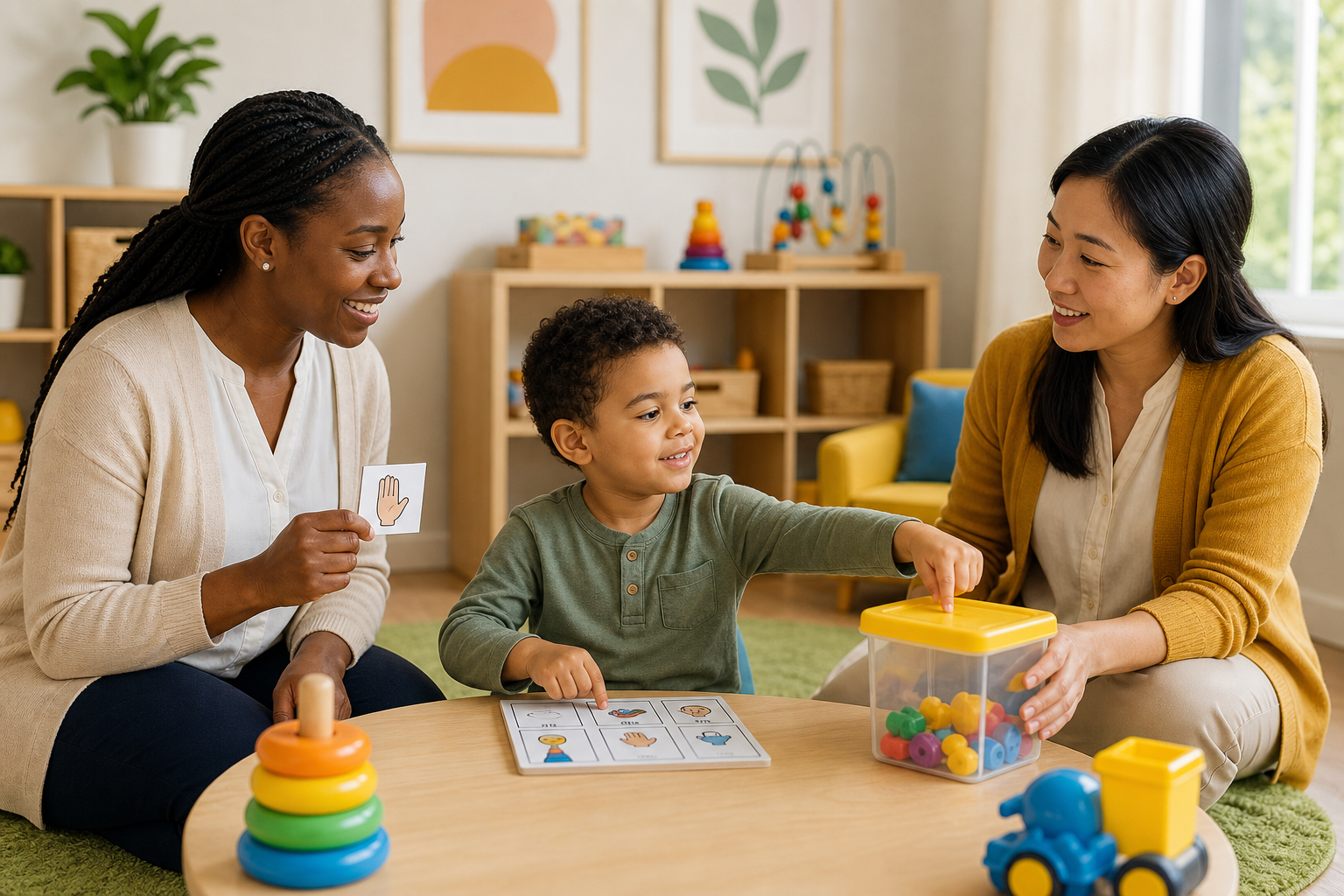
Many community programs offer structured learning opportunities that mirror the principles of ABA therapy. These programs emphasize clear expectations, step-by-step instruction, and positive reinforcement—techniques that help children with autism succeed in diverse environments.
Integrating therapy strategies into these activities ensures that children receive consistent support across settings. For example, a child working on communication skills during therapy can practice these same skills when ordering snacks at a local event or participating in a group activity. This repetition strengthens learning and builds confidence.
Collaboration Between Parents and Professionals
Parents play a crucial role in facilitating community participation for children with autism. By collaborating with therapists, including those providing aba therapy services near me, families can identify suitable programs and activities that align with each child’s developmental goals.
Therapists can provide strategies for managing challenges, reinforcing skills, and monitoring progress. Regular feedback helps parents adapt approaches, ensuring that children benefit fully from both therapy and community engagement.
Preparing for Real-Life Situations
Community activities expose children to practical life situations they will encounter throughout their lives. Grocery shopping, library visits, or attending local events are excellent opportunities to practice following instructions, interacting with strangers, and managing transitions.
Children learn to generalize the skills they acquire through therapy to everyday life. This real-world practice ensures that the progress made during structured sessions translates into meaningful, functional abilities. Families utilizing in-home aba therapy Richmond VA often notice accelerated skill acquisition when children are actively engaged in these experiences.
Promoting Long-Term Growth
Engaging in community activities supports the long-term development of children with autism. Skills such as communication, social interaction, emotional understanding, and independence form the foundation for lifelong success.
By combining therapy with community engagement, parents provide children with diverse opportunities to practice, learn, and grow. This dual approach—therapeutic intervention and real-world application—creates a strong foundation for ongoing development and prepares children for increasingly complex social and academic environments.
Choosing the Right Activities
Selecting appropriate community activities is essential. Parents should consider the child’s interests, developmental level, and comfort zone. Starting with smaller, structured programs and gradually introducing more complex or less predictable environments can be an effective strategy.

Collaboration with therapists and professional guidance, including resources for bcba jobs near me, ensures that activities align with each child’s goals and abilities. With careful planning, children experience success and build confidence, enhancing motivation for continued participation.
Conclusion
Community activities are a powerful tool for fostering growth in children with autism. By providing opportunities for social interaction, emotional development, communication practice, independence, and real-world learning, these experiences complement ABA therapy and support holistic development.
Parents who integrate community participation with professional guidance, such as aba therapy services near me or in-home aba therapy Richmond VA, create an enriched environment that promotes meaningful skill acquisition. Ultimately, engaging children in community programs fosters a sense of belonging, builds confidence, and lays the foundation for lifelong success.
About Us: Perfect Pair ABA provides ABA therapy services that support families and enable lifelong success.
FAQs
What are the benefits of community activities for children with autism?
Community activities help children with autism develop social skills, communication, emotional understanding, independence, and confidence. These activities complement therapy programs and provide real-life practice opportunities.
How can community activities complement ABA therapy?
Participating in structured programs allows children to practice skills learned in therapy sessions. Activities reinforce communication, turn-taking, following instructions, and social interaction, supporting progress from in-home ABA therapy Richmond VA or other services.
What types of community activities are best suited for children with autism?
Activities like art classes, music lessons, sports, local clubs, or group learning programs work well. Choosing activities based on the child’s interests increases engagement and promotes consistent skill development.
How do community activities help build independence?
Children learn to manage routines, make choices, follow instructions, and complete tasks without direct supervision. Over time, these experiences foster self-reliance and confidence in real-world settings.
Can community participation improve communication skills?
Yes. Activities encourage verbal and non-verbal communication, such as requesting items, responding to instructions, and interacting with peers. Practicing these skills in different settings enhances language and social abilities.
How can parents choose the right activities for their child?
Parents should consider their child’s developmental level, interests, and comfort with new experiences. Collaborating with therapists and professionals, including those listed under ABA therapy services near me, ensures activities match individual goals.
How often should children participate in community activities?
Frequency depends on the child’s needs and attention span. Starting with one or two sessions per week and gradually increasing involvement is often effective. Consistency is key to reinforcing learned skills.
Do community activities support emotional growth?
Absolutely. Children experience a range of emotions in structured activities, learn to cope with challenges, and understand others’ feelings. These experiences build resilience and help children manage daily emotional situations.
How do community activities promote social interaction?
Group settings provide opportunities to interact with peers, practice turn-taking, share ideas, and follow social rules. Repeated exposure to these environments helps children navigate social situations with confidence.
Can community activities help children generalize skills learned in therapy?
Yes. By applying skills from therapy to real-world experiences, children strengthen learning and gain practical competence. Activities reinforce lessons from in-home ABA therapy Richmond VA and other therapy programs.