


Communication is one of the most essential skills for children, yet some face challenges in expressing themselves verbally. For families seeking support, aba in home therapy North Carolina has emerged as a practical and personalized solution. Programs like Perfect Pair ABA focus on helping non-verbal children develop communication skills, empowering them to interact more confidently with the world around them.
Understanding Non-Verbal Communication Challenges
Non-verbal children often rely on gestures, facial expressions, or limited sounds to convey their needs and emotions. This can create frustration, both for the child and for their caregivers. Without appropriate intervention, communication difficulties may impact learning, social interactions, and daily activities.
Perfect Pair ABA addresses these challenges by tailoring strategies to each child’s unique abilities and needs. By providing structured guidance and consistent support, the program helps children build foundational communication skills gradually and effectively.
The Role of ABA in Communication Development
Applied Behavior Analysis (ABA) therapy is a well-established approach that focuses on improving specific behaviors through structured interventions and reinforcement. Perfect Pair ABA uses this methodology to support non-verbal children, creating individualized programs that encourage verbal attempts, use of communication devices, and alternative communication methods.
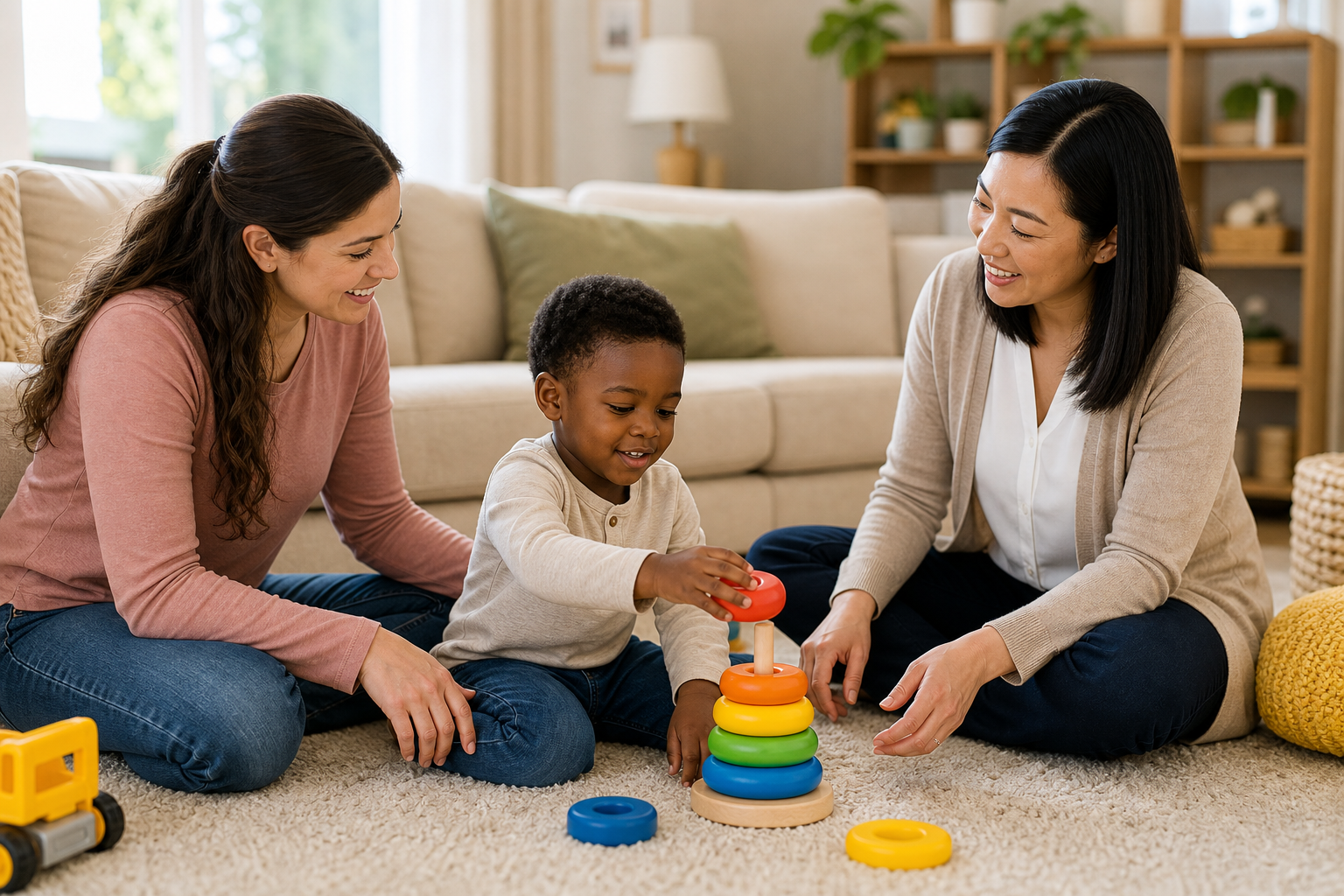
Home-based ABA therapy allows children to practice communication in familiar environments. This setting increases comfort and engagement, making it easier to generalize learned skills to everyday situations. The benefits of home ABA therapy include personalized attention, natural learning opportunities, and better integration of skills into daily life.
Key Techniques Used in Perfect Pair ABA
Perfect Pair ABA utilizes a variety of strategies to encourage communication in non-verbal children:
Functional Communication Training

Functional Communication Training (FCT) teaches children practical ways to express their needs effectively. This can involve using picture cards, gestures, or communication devices. Through consistent practice and positive reinforcement, children learn to replace frustration-based behaviors with meaningful communication.
Positive Reinforcement
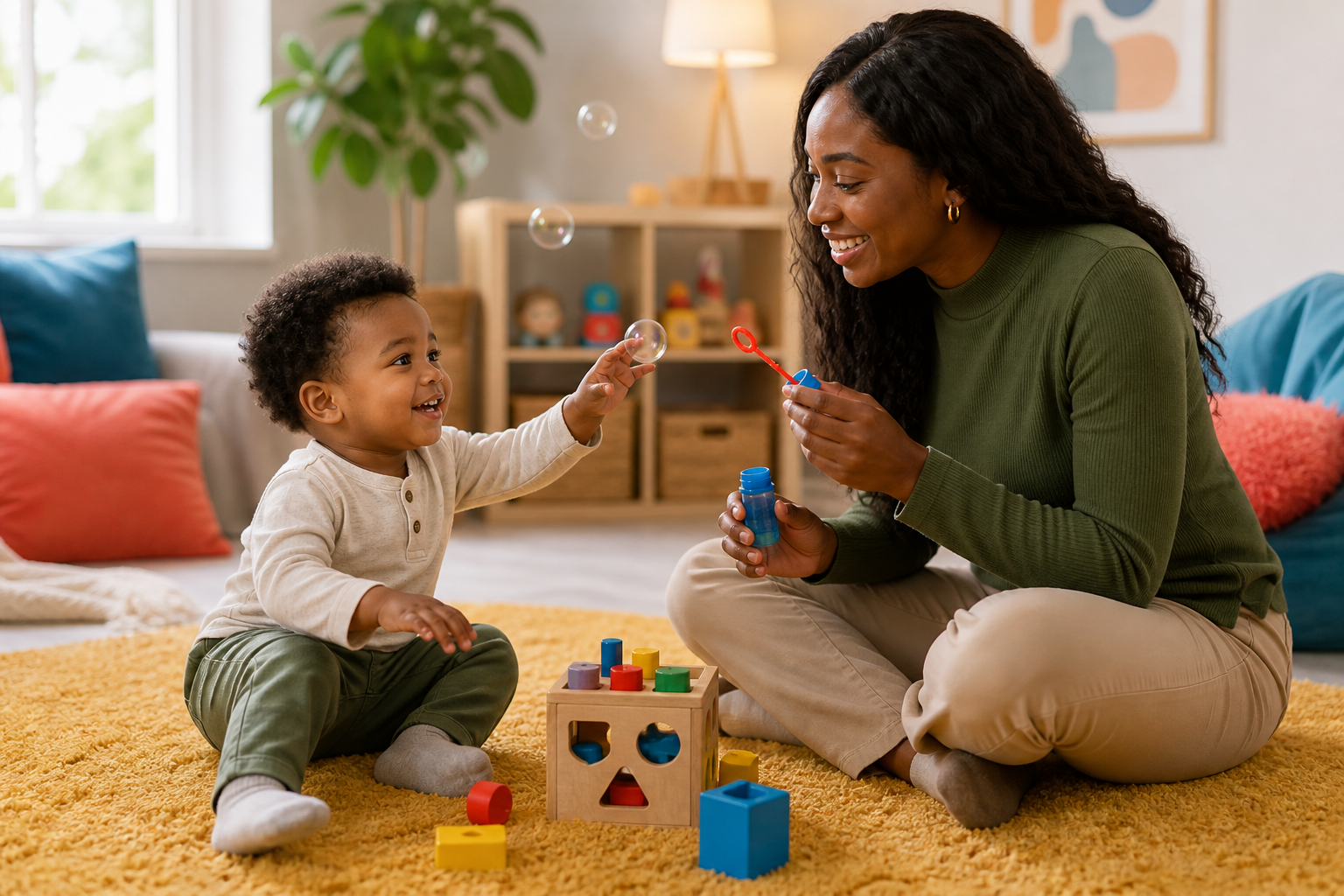
ABA programs often rely on positive reinforcement to encourage desired behaviors. When a child successfully uses a new communication method, immediate praise or rewards help reinforce the behavior. Perfect Pair ABA customizes reinforcement strategies based on each child’s interests, making learning engaging and motivating.
Modeling and Imitation
Children learn a lot by observing and imitating others. Therapists at Perfect Pair ABA model communication behaviors, demonstrating how to request items, greet others, or respond to questions. Children gradually imitate these actions, building their repertoire of communication skills over time.
Structured Learning Sessions
Perfect Pair ABA combines structured learning sessions with naturalistic interactions. Short, focused sessions target specific communication goals while maintaining flexibility to accommodate the child’s pace. This structured approach helps children progress steadily without feeling overwhelmed.
Home-Based ABA Therapy: Why It Works
Providing ABA therapy in the home environment allows for a seamless learning experience. Children feel safe and comfortable in their own surroundings, which promotes greater participation and reduces anxiety. Therapists can observe natural behaviors and adapt interventions in real time, ensuring that each session is meaningful and effective.
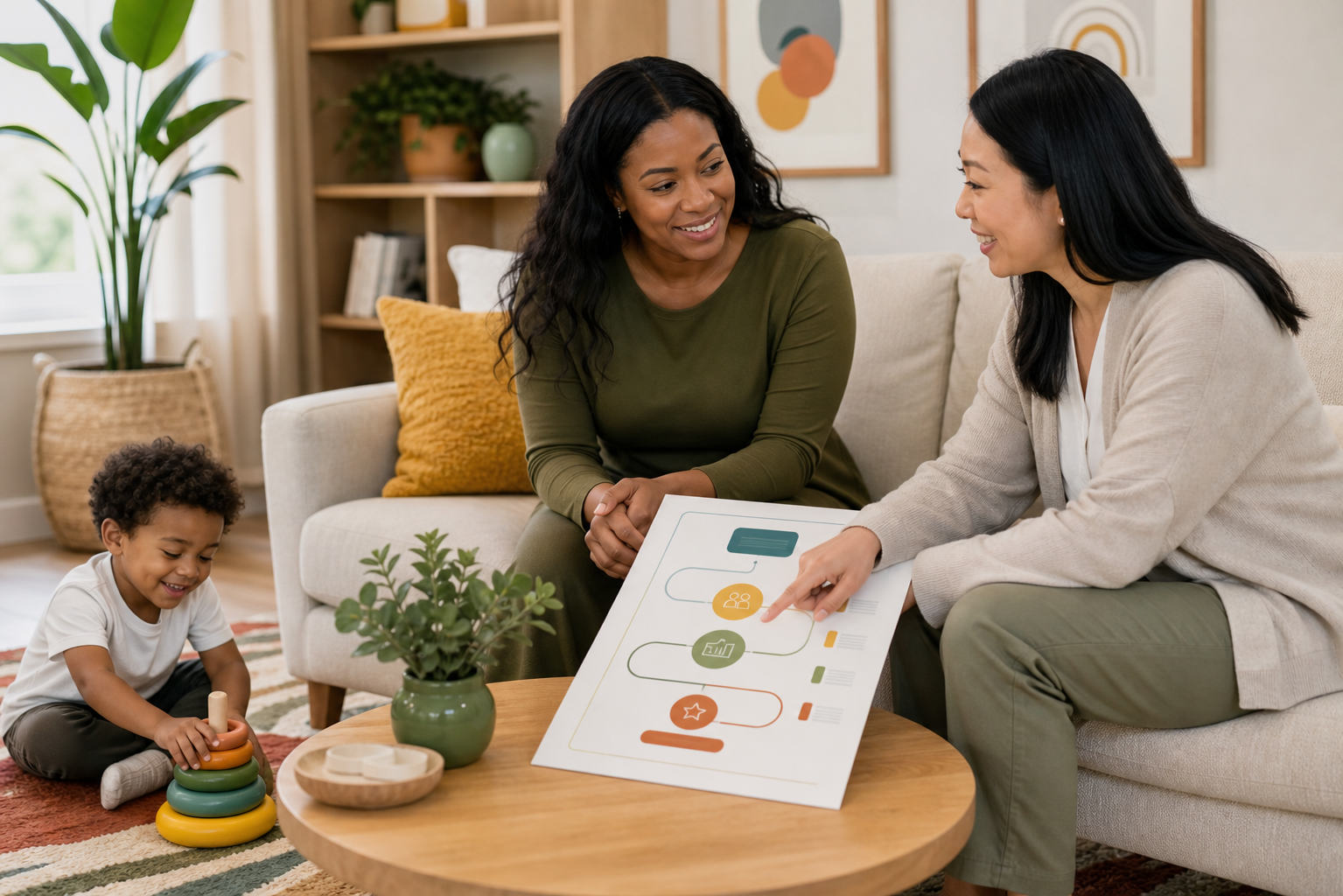
Parents also play an essential role in home-based therapy. They are trained to reinforce communication strategies throughout daily routines, creating consistency that accelerates learning. Perfect Pair ABA emphasizes family involvement, equipping parents with the tools to support communication development outside of formal sessions.
Measuring Progress and Success
Tracking progress is crucial for assessing the effectiveness of ABA therapy. Perfect Pair ABA uses measurable goals and regular evaluations to monitor each child’s development. Communication milestones, such as initiating requests, responding to questions, or using communication devices, are documented and analyzed to refine intervention strategies.
This data-driven approach ensures that therapy remains dynamic and responsive to each child’s evolving needs. Therapists, parents, and caregivers collaborate to celebrate successes and adjust strategies when necessary, maintaining a positive and goal-oriented learning environment.
Training and Expertise of Therapists
A skilled and knowledgeable therapist is vital for effective ABA therapy. Perfect Pair ABA employs trained professionals who understand the nuances of working with non-verbal children. Many therapists hold credentials like Board Certified Behavior Analyst (BCBA), and the organization also provides opportunities for professionals pursuing a BCBA job to gain hands-on experience.
Therapist expertise ensures that interventions are implemented accurately and consistently, enhancing the likelihood of successful communication development. The combination of professional training, ongoing supervision, and personalized attention makes Perfect Pair ABA a trusted choice for families seeking meaningful outcomes.
Success Stories and Real-Life Impact
Many families who work with Perfect Pair ABA report noticeable improvements in communication skills, confidence, and social engagement. Children who were previously non-verbal begin to express their needs, participate in family interactions, and develop stronger connections with peers and caregivers.
These success stories highlight the power of structured ABA therapy when combined with a supportive home environment. Each achievement, no matter how small, represents a step toward greater independence and improved quality of life.
Why Choose Perfect Pair ABA
Choosing the right therapy program can be overwhelming for families. Perfect Pair ABA stands out because of its focus on individualized care, home-based support, and measurable outcomes. The program is designed to:
- Encourage meaningful communication through practical strategies.
- Provide flexible therapy in familiar, comfortable environments.
- Engage families as active participants in their child’s development.
- Use data-driven methods to track progress and adjust interventions.
By emphasizing both skill development and family involvement, Perfect Pair ABA ensures that children gain communication abilities that last a lifetime.
Conclusion
Non-verbal children face unique challenges in expressing themselves, but with the right support, they can develop effective communication skills. Perfect Pair ABA combines evidence-based strategies, home-based therapy, and professional guidance to help children achieve meaningful progress. Families benefit not only from improved communication but also from increased confidence, independence, and overall quality of life.
Perfect Pair ABA provides ABA therapy services that support families and enable lifelong success.
FAQs
What is Perfect Pair ABA and how does it help non-verbal children?
Perfect Pair ABA is a specialized therapy program that uses evidence-based ABA techniques to help non-verbal children develop effective communication skills. By focusing on individualized strategies, structured sessions, and consistent reinforcement, children are guided to express their needs, emotions, and thoughts more effectively.
How does ABA therapy work for non-verbal children?
ABA therapy targets specific behaviors and skills through structured interventions, positive reinforcement, and modeling. For non-verbal children, this often includes teaching alternative communication methods such as gestures, picture cards, or communication devices. The therapy is designed to gradually build verbal or functional communication skills while promoting confidence and independence.
What are the benefits of home ABA therapy?
Home-based ABA therapy allows children to learn in a familiar, comfortable environment, which reduces anxiety and increases engagement. The benefits of home ABA therapy include personalized attention, real-life practice opportunities, and consistent reinforcement of communication skills throughout daily routines. Parents also gain practical strategies to support their child’s progress outside therapy sessions.
How is progress measured in Perfect Pair ABA programs?
Therapists track measurable goals and monitor milestones such as initiating requests, responding to questions, or using communication devices. Regular evaluations allow adjustments to interventions, ensuring therapy remains effective and tailored to the child’s evolving needs. Data-driven tracking also helps families celebrate successes and stay informed about their child’s progress.
Can parents be involved in the therapy process?
Yes. Perfect Pair ABA emphasizes family involvement as a core component of its programs. Parents are trained to reinforce communication strategies throughout daily activities, helping children practice skills in natural settings. This collaborative approach increases the effectiveness of therapy and ensures skills are generalized across environments.
What qualifications do Perfect Pair ABA therapists have?
Therapists at Perfect Pair ABA are trained professionals, often holding credentials like Board Certified Behavior Analyst (BCBA). The program also offers opportunities for individuals pursuing a BCBA job to gain practical experience under supervision. Skilled therapists ensure that interventions are implemented consistently and effectively, maximizing outcomes for each child.
How long does it take to see results in communication skills?
The timeline for progress varies depending on the child’s needs, learning style, and therapy intensity. Many families notice small improvements within weeks, while more significant communication milestones may take several months of consistent therapy. Regular assessments help track progress and adapt strategies to optimize outcomes.
Are the strategies used suitable for all non-verbal children?
Perfect Pair ABA programs are individualized, meaning that strategies are tailored to each child’s abilities and needs. While techniques such as Functional Communication Training, positive reinforcement, and modeling are commonly used, therapists customize sessions to ensure they align with the child’s learning style and preferences.
How can I get started with Perfect Pair ABA?
Families interested in starting therapy can contact Perfect Pair ABA for an initial consultation. During this session, therapists assess the child’s communication abilities, set goals, and design a personalized program. Home-based sessions are scheduled based on family convenience, and ongoing support ensures steady progress toward communication milestones.
Why choose Perfect Pair ABA over other therapy programs?
Perfect Pair ABA stands out due to its focus on individualized care, home-based therapy, measurable outcomes, and family involvement. The program combines professional expertise with practical, real-life applications, helping non-verbal children develop lasting communication skills and improving their overall quality of life.