


When considering in-home ABA therapy for your child, it’s essential to understand the process involved and how it can benefit your child’s growth. At Perfect Pair ABA, we specialize in offering high-quality in-home ABA therapy services across North Carolina, focusing on supporting children with autism in their own environment. The in-home setting allows for a more comfortable, personalized approach to therapy that helps children thrive at their own pace.
This guide will take you through the process of in-home ABA therapy, detailing what to expect during therapy sessions, how goals are set and measured, and why parent involvement is crucial for success.
What Is In-Home ABA Therapy?
In-home ABA therapy is an evidence-based therapeutic approach aimed at teaching children with autism important skills to improve their quality of life. It takes place in the child’s natural environment at home allowing them to practice and generalize the skills they are learning in a comfortable setting. This therapy has been extensively researched and proven to be one of the most effective treatments for children with autism, helping them develop communication, social, and daily living skills while minimizing challenging behaviors.
ABA therapy involves working with a trained therapist who provides structured lessons and interventions tailored to the child’s individual needs. The goal of in-home ABA therapy is not only to improve specific behaviors but also to build long-term, sustainable skills that can help children live more independent lives.
Who Qualifies for In-Home ABA Therapy?
In-home ABA therapy is generally offered to children diagnosed with Autism Spectrum Disorder (ASD). Autism is a developmental disorder that affects communication, behavior, and social interactions. Children with ASD may experience challenges in these areas and may benefit from a structured, therapeutic approach such as ABA.
Before therapy begins, a comprehensive assessment is conducted by a Board-Certified Behavior Analyst (BCBA) to evaluate the child’s specific needs and determine the best course of action. The BCBA will assess the child’s current abilities, strengths, and areas of need to develop an individualized treatment plan.
If your child struggles with communication, social interactions, daily living tasks, or exhibits challenging behaviors, in-home ABA therapy could be an ideal choice. It provides the benefit of addressing these challenges directly in the home environment, where the child feels most comfortable.
What Happens in a Typical In-Home ABA Session?
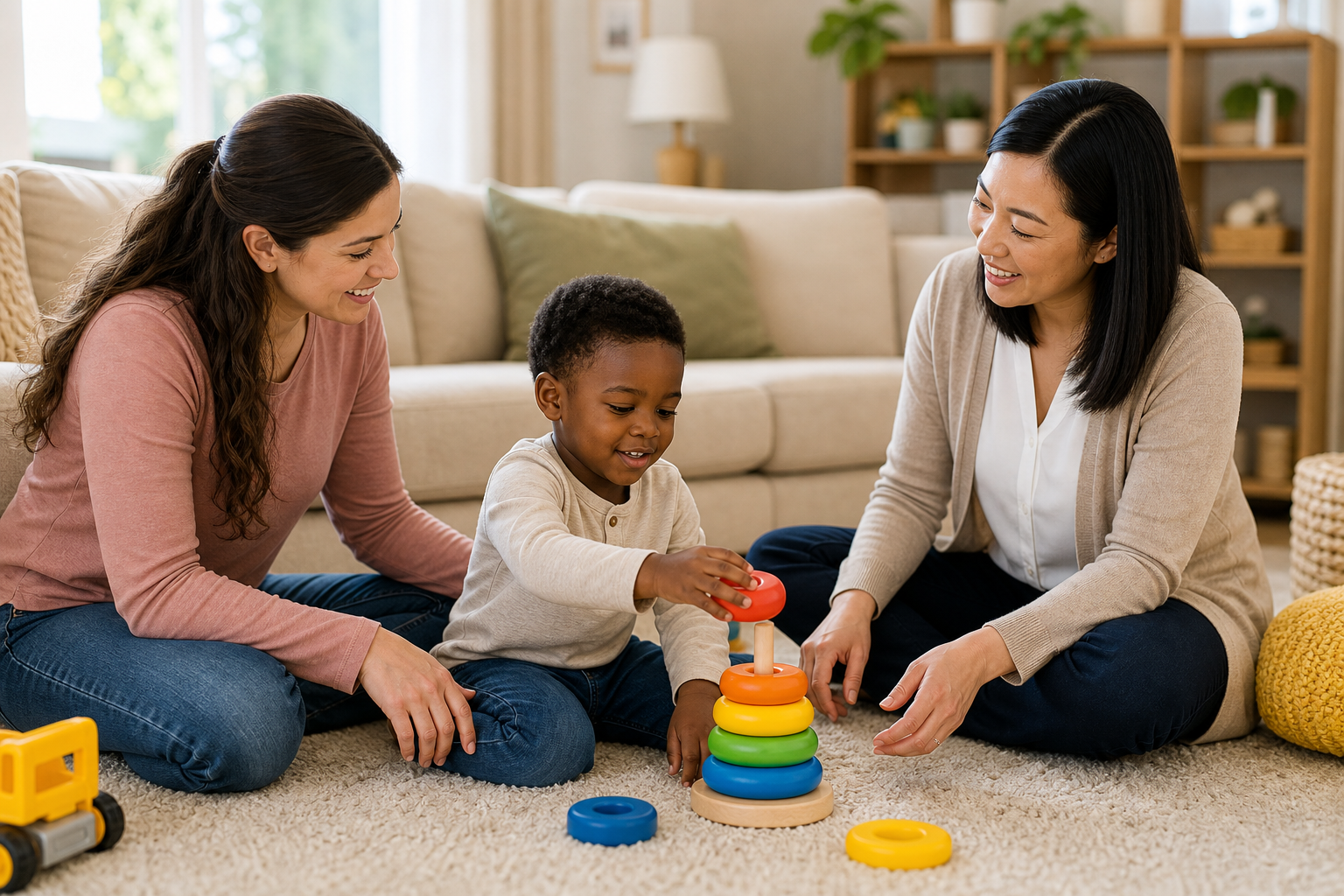
A typical in-home ABA session is designed to be structured, goal-oriented, and fun. Sessions generally last between one to two hours, depending on the child’s needs and the goals being targeted. Sessions are individualized to address the specific needs of each child, with a focus on key skill areas like communication, social interactions, and behavior management.
During a session, a trained therapist works one-on-one with the child using a variety of strategies and techniques to encourage learning and positive behavior. Some common elements of an ABA session include:
1. Skill-Building Exercises
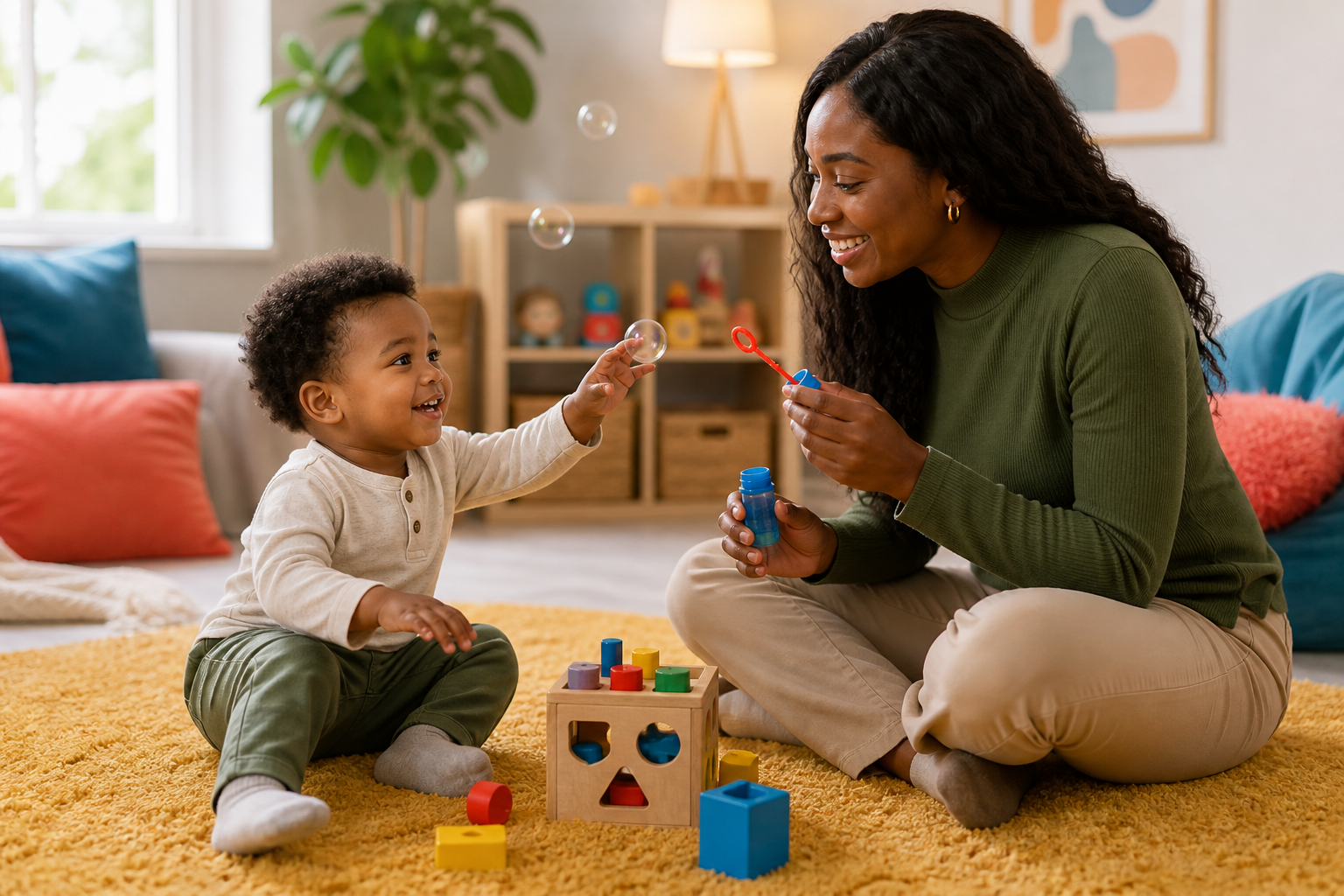
ABA therapy includes exercises that teach children specific skills, such as improving communication, social skills, and daily routines. For instance, a child might be taught to use simple words or signs to request items or express their needs. They may also practice social interactions, like making eye contact, waiting for turns, and responding to others.
2. Positive Reinforcement
Positive reinforcement is a critical element of ABA therapy. Desired behaviors are reinforced through praise, tokens, or small rewards. This encourages children to repeat these positive behaviors. For example, if a child responds appropriately during a social interaction, they might be given praise or a small reward to reinforce the behavior.
3. Behavior Management
ABA therapy also involves teaching children how to reduce challenging behaviors. These may include aggression, self-injury, or difficulty following instructions. By teaching appropriate alternatives and reinforcing positive behavior, ABA helps reduce these negative behaviors over time.
4. Parent Involvement
Parents are encouraged to be actively involved in the therapy sessions. They can learn how to implement specific strategies at home, such as how to prompt the child to engage in appropriate behaviors, provide reinforcement, and manage challenging behaviors. This helps create consistency across therapy sessions and day-to-day routines.
Each session is designed to be interactive and engaging, with the goal of helping children generalize what they’ve learned into real-life situations, both inside and outside the home.
How Are Goals Set and Measured?
ABA therapy is highly data-driven, and the goals set for each child are measurable and tracked over time. The goals for a child are based on the results of the initial assessment and are tailored to meet their specific needs. These goals might include improving communication skills, learning to follow instructions, or mastering daily living tasks such as dressing or eating.
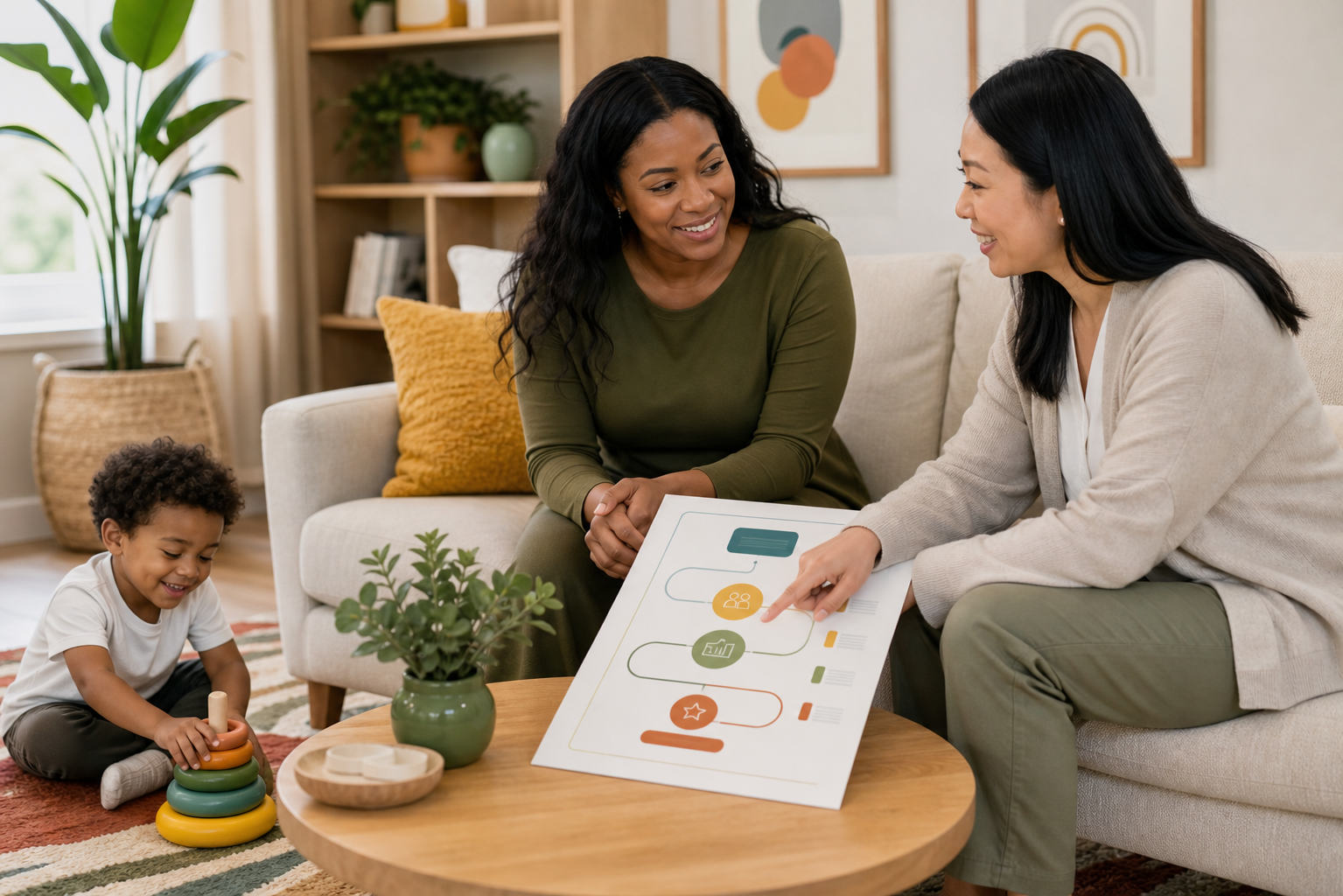
The BCBA will develop a treatment plan with clear, measurable objectives, which are regularly tracked during sessions. Progress is documented and analyzed using data collected throughout therapy. For example, the therapist may record how often the child uses words to request something or how long they can stay engaged in an activity before needing a break.
The BCBA will review this data regularly and adjust the treatment plan as needed to ensure that progress continues and that the therapy is effective.
How Does Parent Participation Work?
Parent participation is vital for the success of in-home ABA therapy. ABA therapists will guide parents on how to reinforce the skills the child is learning during therapy sessions. This means that parents play an essential role in carrying over strategies and techniques at home, reinforcing positive behaviors, and managing any challenging behaviors outside of formal sessions.
Parents are encouraged to observe therapy sessions and learn how to interact with their child in ways that support the goals being targeted. This might include providing rewards for appropriate behavior, using specific language during interactions, or creating a structured routine at home.
Having a consistent approach between therapy sessions and daily life helps children progress faster and learn to apply their skills in a variety of settings.
How to Get Started with In-Home ABA Therapy in North Carolina
If you’re considering in-home ABA therapy for your child in North Carolina, the first step is to reach out to Perfect Pair ABA. We’ll begin by scheduling a comprehensive assessment to evaluate your child’s needs and develop a personalized treatment plan. During the assessment, we’ll discuss your child’s strengths and challenges, as well as any goals you may have for therapy.
Once the assessment is complete, we’ll begin scheduling therapy sessions and working together to set goals. We also offer parent training programs to help you effectively implement strategies at home, as well as behavioral assessments for autism to ensure that the therapy plan is aligned with your child’s unique needs.
To get started, contact us directly through our In-Home ABA Therapy service page. Our team is here to guide you through every step of the process, ensuring that your child receives the best possible care.
Conclusion
In-home ABA therapy in North Carolina provides a personalized and effective approach to helping children with autism build critical skills. Through structured sessions, measurable goals, and active parent involvement, we can work together to support your child’s development and improve their quality of life. At Perfect Pair ABA, we are committed to providing the highest quality ABA therapy to children in North Carolina, and we look forward to partnering with you on your child’s journey.
FAQs
What is the difference between in-home ABA and school-based ABA therapy?
In-home ABA therapy occurs within your child’s home environment, while school-based ABA therapy is delivered in a school setting. In-home therapy has the advantage of being delivered in a familiar, comfortable environment, which can help reduce anxiety and promote faster learning. School-based therapy focuses on teaching skills within an educational setting.
How long does it take to see results from in-home ABA therapy?
Results vary depending on the individual child, but many children begin to show progress after a few weeks of therapy. More significant changes may take several months, especially as skills become generalized across settings. Consistent sessions, active parent involvement, and data-driven progress help maximize the effectiveness of therapy.
Are there specific goals for in-home ABA therapy?
Yes, each child has individualized goals tailored to their unique needs. These goals might include communication skills, self-help skills, behavior management, or social interaction. All goals are measurable, and progress is tracked regularly to ensure that therapy remains effective.