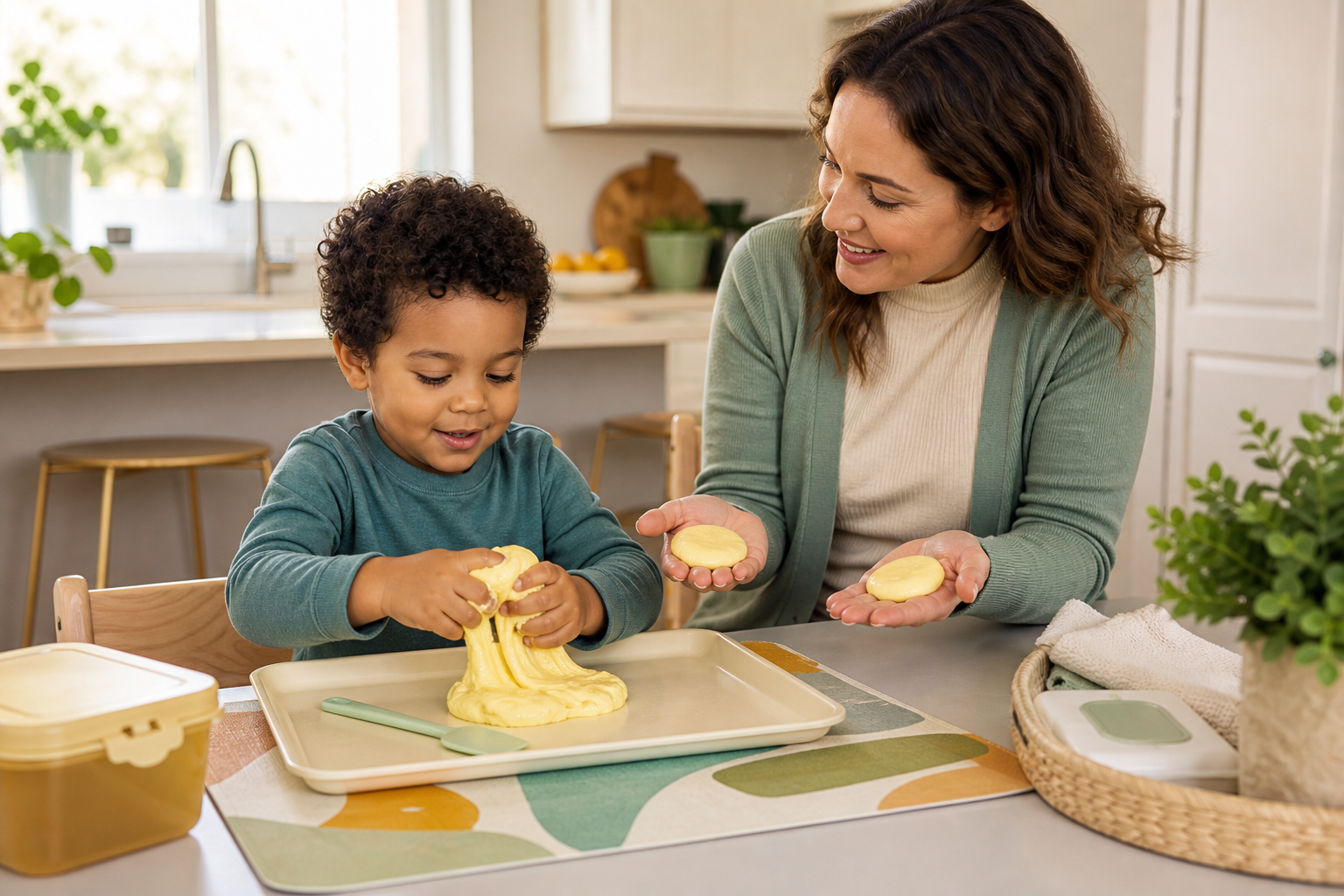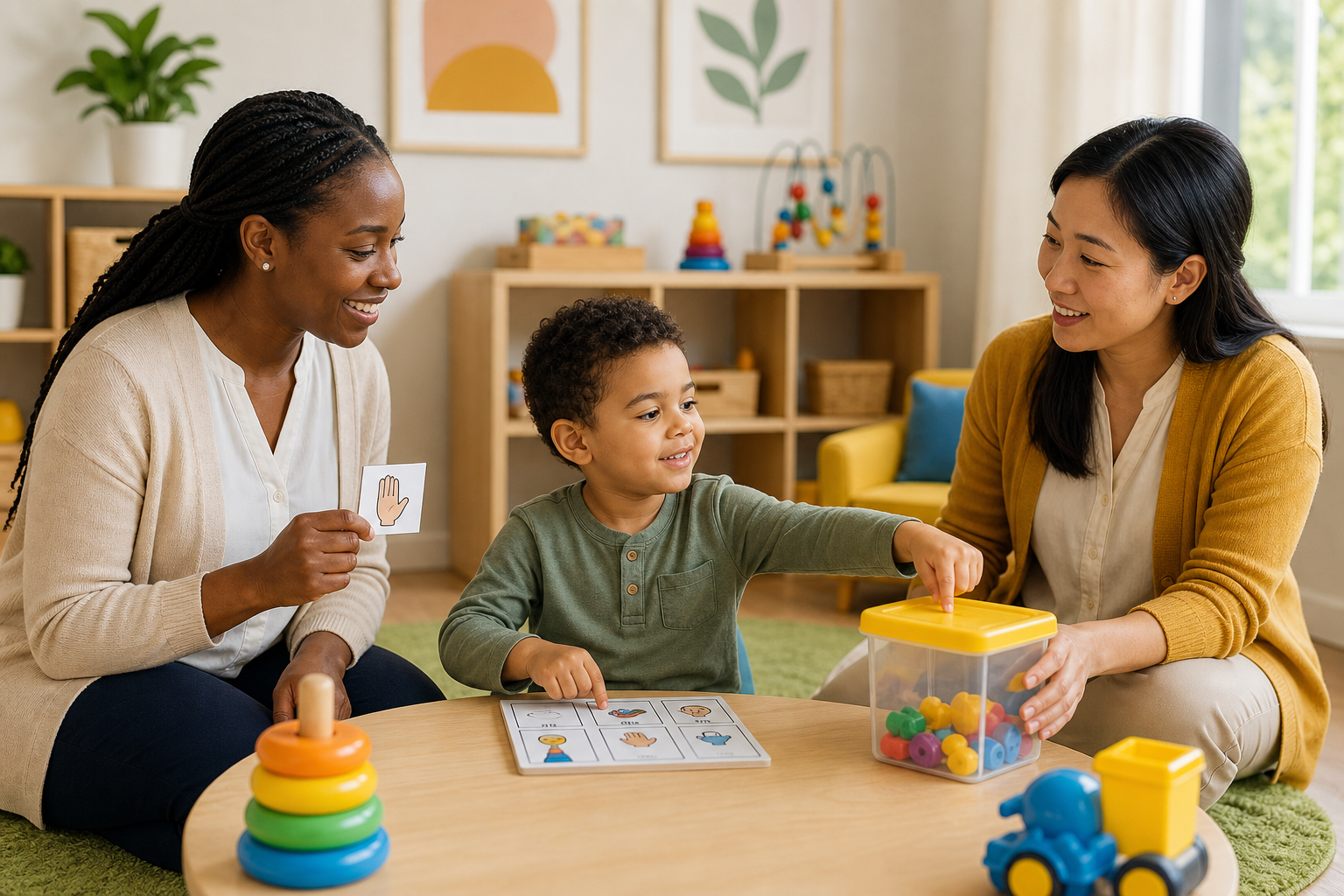



When it comes to achieving the best outcomes in ABA Therapy, collaboration between parents and therapists forms the foundation of success. The synergy created through mutual understanding, communication, and consistency helps children reach their developmental goals more effectively. At Perfect Pair ABA, we believe that true progress happens when therapy doesn’t stop at the clinic — it continues at home, within the family. That’s why our in home aba therapy Greensboro NC services are designed to bridge the gap between professional strategies and everyday family life, creating a seamless environment for learning and growth.
The Importance of a Parent-Therapist Partnership
The relationship between parents and therapists is more than just professional — it’s a partnership built on trust, respect, and shared goals. Parents are the child’s first and most consistent teachers. They know their child’s personality, preferences, and triggers better than anyone else. Therapists, on the other hand, bring professional expertise, evidence-based strategies, and structured guidance.
When these two forces align, the child benefits from a consistent approach across environments — home, school, and community. The therapist provides strategies and measurable objectives, while parents reinforce them during daily routines. This collaboration helps ensure that progress is not confined to therapy sessions but becomes part of the child’s everyday life.
Building Trust and Open Communication
Trust and communication are at the heart of every strong partnership. Parents should feel comfortable sharing observations, concerns, and insights with their therapist. Similarly, therapists must communicate progress updates, challenges, and next steps in a transparent manner.
Regular communication — through progress meetings, home visits, or digital updates — allows both sides to stay aligned. For example, if a therapist notices a specific behavior improving in sessions, parents can continue to reinforce that behavior at home. On the other hand, if parents observe certain challenges in daily routines, therapists can adapt strategies accordingly.
This ongoing feedback loop ensures that therapy remains dynamic, flexible, and truly personalized to the child’s needs.
Setting Shared Goals and Expectations
A perfect parent-therapist pair begins by establishing shared goals. These goals should be specific, measurable, and meaningful to the family’s daily life. It’s important that both the therapist and parents agree on the priorities — whether it’s improving communication, social skills, or independence in daily activities.
Once goals are set, both parties can create a consistent plan of action. The therapist outlines structured teaching methods and progress tracking, while parents provide context on how those skills can be practiced at home. Together, they celebrate small victories and adjust strategies when needed.
Having shared expectations also minimizes frustration and confusion. Parents understand the “why” behind each therapy plan, and therapists can focus their sessions knowing that families are reinforcing the same principles at home.
Consistency Across Environments
Consistency is one of the key factors that contribute to successful ABA Therapy. Children thrive when they experience stability — when expectations, reinforcements, and responses remain the same across different settings.
That’s where the parent-therapist collaboration shines. For instance, if a therapist uses a particular reward system or cue to encourage a positive behavior, parents can apply the same system during daily routines like mealtime or playtime.
Therapists often provide families with simple, practical strategies that can be easily implemented in day-to-day life. By doing so, the child begins to associate learning not just with therapy sessions but as part of everyday living.
The Role of Parents in the Therapy Process
Parents play a vital role in extending the impact of therapy beyond scheduled sessions. Their involvement doesn’t mean they need to take on the role of a therapist; instead, they act as partners who reinforce learned skills through natural interactions.
Here are a few ways parents can actively participate:
- Attend sessions or training: Observe techniques and ask questions to better understand the approach.
- Apply strategies at home: Use the same cues, reinforcement, and communication methods that therapists employ.
- Track progress: Note changes in behavior or milestones achieved between sessions.
- Stay involved: Participate in team meetings and provide feedback to guide future sessions.
Parents’ involvement demonstrates commitment, which not only strengthens the child’s consistency but also motivates them to stay engaged in learning.

The Therapist’s Role in Empowering Families
While parents bring love, patience, and everyday insight, therapists contribute structure, expertise, and accountability. A skilled therapist focuses not only on the child’s development but also on empowering parents with the right tools to support that growth.
Therapists help families by:
- Providing clear instructions and practical strategies for home routines.
- Offering feedback and adjusting goals based on family input.
- Encouraging confidence and independence in both the child and parents.
- Ensuring that progress is measurable and consistent.
At Perfect Pair ABA, our therapists value parent empowerment as much as child progress. The partnership is built on the belief that success is achieved when families feel confident continuing therapy principles beyond formal sessions.
Overcoming Common Challenges
No partnership is without challenges, and the parent-therapist relationship is no different. Miscommunication, inconsistent follow-through, or differing expectations can occasionally arise. However, these obstacles can be overcome through empathy, flexibility, and open dialogue.
If a parent feels overwhelmed, the therapist can simplify strategies or offer additional support. If a therapist needs more feedback, parents can share specific examples from home. By working through challenges collaboratively, both sides can strengthen their bond and ensure that the therapy remains effective.
Therapists who are adaptable and understanding foster trust, while parents who remain open and proactive reinforce consistency. Together, they create an environment of continuous learning and growth.
Why Collaboration Leads to Better Results
The combination of parental insight and professional expertise produces powerful outcomes. When therapists and parents function as a team, they create a stable and nurturing environment that promotes skill retention and generalization.
For example, when a therapist teaches a new behavior, and parents consistently reinforce it at home, the child learns to apply that behavior naturally across situations. This helps build long-term success rather than temporary results.
Research consistently shows that active family involvement enhances the effectiveness of ABA Therapy programs. By sharing responsibilities and celebrating milestones together, both parties contribute to sustained progress and emotional well-being.
Continuous Learning and Support
A “perfect pair” continues to evolve through education, collaboration, and reflection. Parents can attend workshops, read recommended materials, or participate in training sessions offered by the therapy team.
Therapists, in turn, keep parents informed about new methods, research, and progress updates. This ongoing learning process keeps the relationship strong and adaptive to the child’s evolving needs.
For individuals seeking professional growth in the field, opportunities like bcba jobs allow passionate professionals to join therapy teams dedicated to meaningful change. These roles emphasize collaboration, creativity, and family-centered care — the essence of a perfect parent-therapist partnership.
A Partnership That Creates Lifelong Success
At Perfect Pair ABA, our mission is to create meaningful partnerships that extend beyond therapy sessions. We believe that the journey of learning and growth is most effective when families and therapists walk it together.
By combining compassion with evidence-based practice, we ensure that every family feels supported and every child reaches their fullest potential. Whether you’re looking for the best in home aba therapy near me or professional guidance tailored to your family’s needs, our team is here to help you build lasting success — one small step at a time.
Together, parents and therapists form the perfect pair — a partnership where communication, trust, and consistency lead to lasting transformation and lifelong progress.
About Perfect Pair ABA:
Perfect Pair ABA provides ABA Therapy services that support families and enable lifelong success. Our approach combines expert guidance with personalized family involvement, ensuring that every child has the opportunity to thrive at home and beyond.
FAQs
Why is the parent-therapist relationship so important in ABA Therapy?
A strong parent-therapist relationship ensures consistency and collaboration. Therapists bring professional expertise, while parents provide valuable insights into their child’s daily routines. When both work together, ABA Therapy goals are reinforced at home, leading to faster and more sustainable progress.
How can parents actively participate in their child’s ABA program?
Parents can participate by attending therapy sessions, learning strategies from therapists, and applying those techniques in everyday situations. Simple actions—like using consistent cues, reinforcement, and praise—help extend the impact of ABA Therapy beyond the clinic and into the home environment.
What does open communication between parents and therapists look like?
Open communication means regularly discussing progress, challenges, and goals. Parents should feel comfortable asking questions and sharing observations, while therapists provide clear updates and feedback. This mutual exchange creates trust and ensures that both are aligned in supporting the child’s development.
How do shared goals improve the effectiveness of ABA Therapy?
When parents and therapists set clear, shared goals, they ensure that therapy focuses on meaningful outcomes for the child. This alignment helps both parties stay consistent in their methods and track progress more effectively, making the ABA Therapy plan more impactful and results-driven.
Can consistency at home really make a difference in therapy progress?
Yes, consistency at home is crucial. When parents apply the same strategies and reinforcement systems that therapists use, the child learns to generalize skills across different settings. This reinforces positive behaviors and makes progress long-lasting.
How does Perfect Pair ABA support families in becoming active therapy partners?
Perfect Pair ABA emphasizes family involvement from the start. Our team provides step-by-step guidance, feedback, and ongoing training to help parents feel confident implementing strategies at home. Through this approach, families and therapists form a “perfect pair” that supports lifelong success.