


When families choose in-home ABA therapy, they often want to know exactly what happens during each session. Understanding the structure of these sessions is crucial for setting expectations and ensuring you’re fully prepared for the therapy process. In this article, we’ll provide a step-by-step overview of what to expect during an in-home ABA session, from preparation to skill-building activities and progress tracking.
Before the Session: Preparation for Success
Before each session, the ABA therapist will review the child’s treatment plan, which is personalized based on their unique needs, goals, and areas of focus. This is a crucial step because it ensures that the session is tailored to meet the child’s current needs and progress.
1. Therapist Review and Setup
- Review of Goals: The therapist will review the child’s progress on their specific goals, focusing on areas such as communication, behavior, social skills, and daily living tasks.
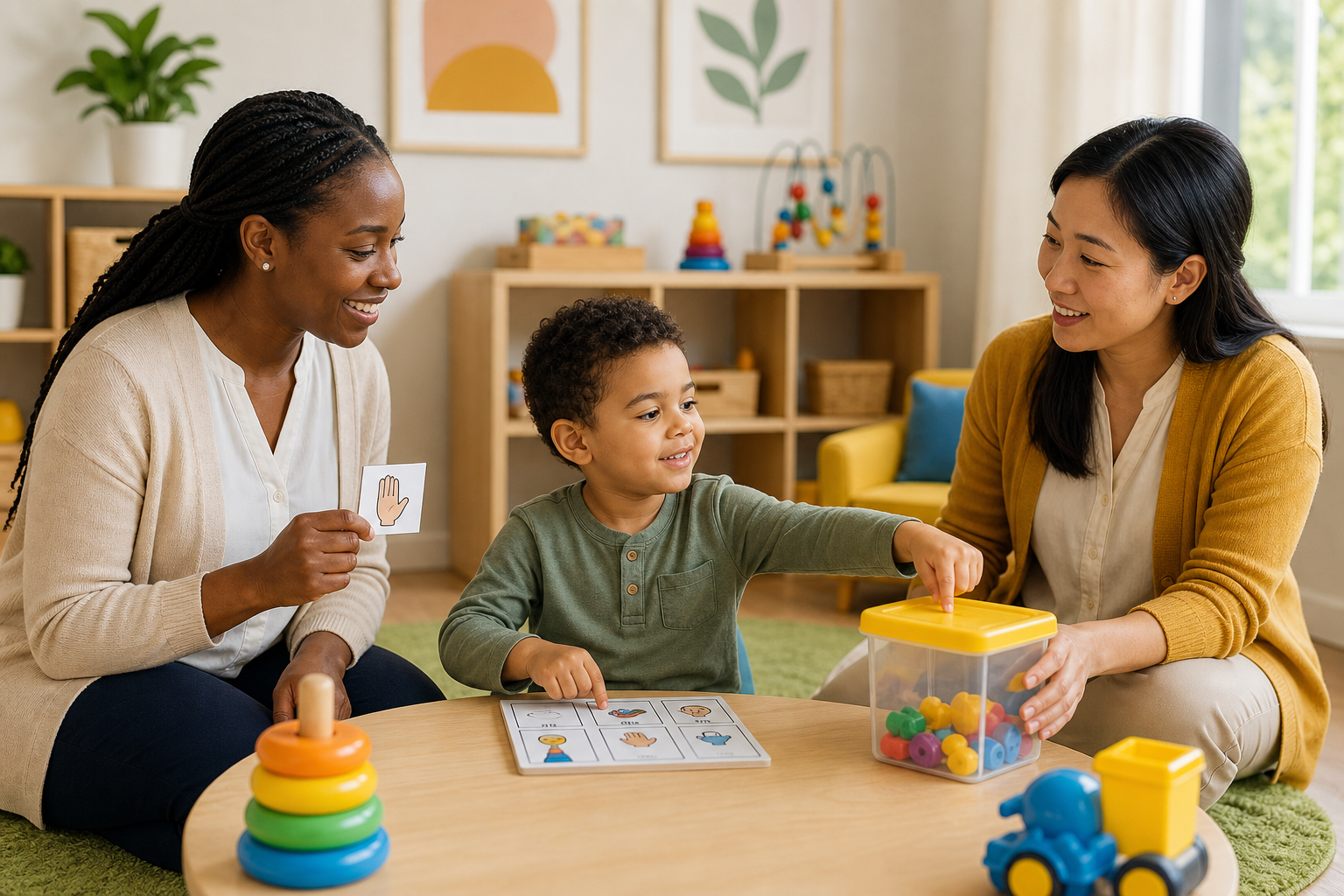
- Preparation of Materials: The therapist may set up any materials needed for the session, such as visual aids, reinforcement items (stickers, tokens), or educational toys. This helps ensure the session is structured and that the child is engaged throughout the process.
2. Environment Check
- Creating a Calm and Focused Space: The therapist will create a distraction-free, comfortable space where your child can engage in the session. This is important for ensuring that your child can focus on the tasks at hand without unnecessary interruptions.
- Setting Up Reinforcers: The therapist may also prepare positive reinforcers (rewards) that will be used throughout the session to encourage desired behaviors.
Skill-Building Activities: Teaching and Reinforcing New Skills
The core of in-home ABA therapy revolves around structured, skill-building activities. These activities are designed to teach children specific skills that will help them function more independently in their everyday lives. Each session typically involves multiple types of activities that are based on the child’s individual treatment goals.
1. Focused Skill Development
- Communication Skills: For children working on communication, the therapist might guide the child through exercises where they practice requesting items, expressing needs, or using appropriate social greetings.
- Social Skills: In social skills development, children might engage in activities that teach turn-taking, sharing, making eye contact, or participating in group activities.
- Self-Care Routines: If the child is working on self-care, sessions may involve practicing tasks like brushing teeth, dressing, or using the bathroom.
- Behavior Management: If the child exhibits challenging behaviors, the therapist may incorporate strategies that teach alternative, more appropriate behaviors to replace negative behaviors such as aggression or tantrums.
2. Data Collection and Progress Monitoring
Throughout the session, the therapist collects data on the child’s performance. This data is used to track progress, make adjustments to the treatment plan, and provide a clear record of the child’s development.
- Data Tracking: Every target behavior or skill is tracked with precision, noting whether the child successfully completed the task or whether they need more support. This data is used to assess progress over time.
- Adjustments in Real-Time: The therapist may make adjustments to the activities if needed, based on the child’s responses. This ensures that each session is as effective as possible, helping the child stay engaged and motivated to learn.
Behavior Support in Routines: Building Consistency at Home
In-home ABA therapy provides a unique opportunity to incorporate therapy into everyday routines. The therapist will work closely with the child to reinforce behaviors that are important in their daily life. These routines include activities like meal time, playtime, or getting ready for bed.
1. Routine-Based Interventions
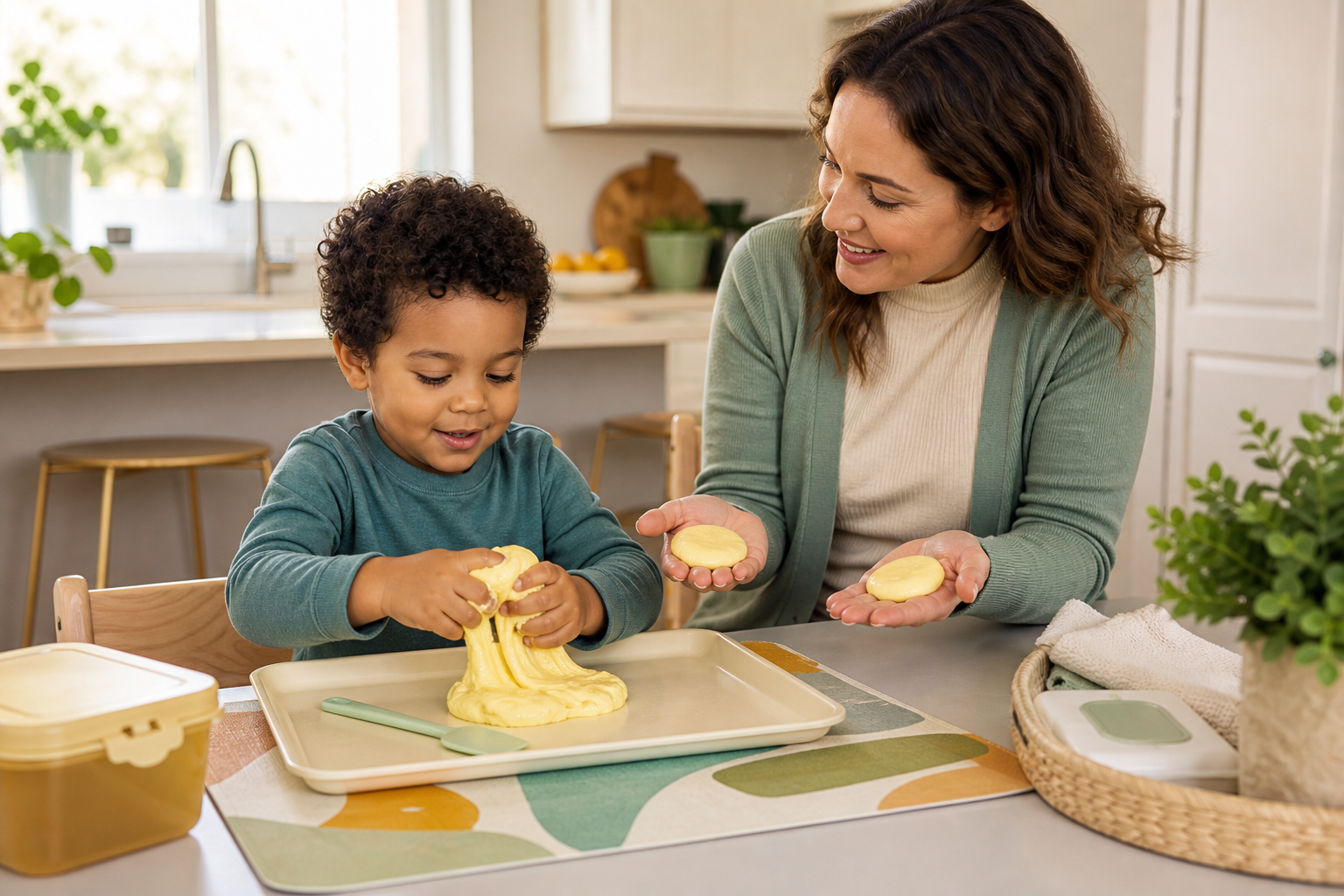
- Meal and Bedtime Routines: The therapist might guide your child through routines like setting the table, brushing teeth, or getting dressed for the day. These tasks are often challenging for children with autism, and ABA therapy helps them learn how to complete them independently and with minimal frustration.
- Incorporating Therapy into Family Activities: The therapist will work with you to incorporate ABA strategies into everyday family routines. This can include things like teaching the child to ask for help during playtime or practice greeting family members.
2. Consistency Across Environments
One of the key benefits of in-home therapy is the ability to create consistency between therapy sessions and family life. The therapist will teach parents how to reinforce the skills being worked on during therapy in natural, everyday contexts. For example, if the child is learning how to request an item appropriately, parents will be shown how to reinforce this behavior consistently at home.
Parent Communication: Keeping Families Informed and Involved
An important part of in-home ABA therapy is communication between the therapist and the family. Families are encouraged to participate in the therapy process and are regularly updated on their child’s progress.
1. Regular Check-Ins
Parents will have regular check-ins with the therapist to discuss their child’s progress. This may occur after each session or at designated intervals. During these meetings, parents can ask questions, discuss concerns, and provide feedback.
2. Coaching and Guidance for Parents
Parents are often coached by the therapist on how to implement ABA strategies at home. For example, the therapist may show you how to reinforce positive behavior during mealtime or how to prompt the child during daily tasks. The more parents are involved, the more successful therapy becomes.
Parents are also encouraged to maintain open communication with the therapist. If a parent notices a particular behavior or concern between sessions, they should feel comfortable bringing it up during the next therapy visit. This ensures that therapy is as effective as possible and meets the evolving needs of the child.
Conclusion: Maximizing the Benefits of In-Home ABA Therapy
In-home ABA therapy is an effective, personalized approach to supporting children with autism. Each session is designed to be structured, flexible, and focused on the child’s specific needs. From skill-building activities to behavior support in routines, every aspect of in-home therapy is aimed at helping children thrive in their natural environment.
By providing individualized therapy, tracking progress, and involving parents in the process, in-home ABA therapy offers a comprehensive solution to help children with autism develop crucial life skills. If you’re interested in learning more about in-home ABA therapy, visit us at In-Home ABA Therapy or contact us to schedule an assessment.
FAQs
What should I expect during an in-home ABA therapy session?
Each session includes structured skill-building activities, behavior support, and progress tracking. The therapist will also work with parents to ensure consistent reinforcement at home.
How is progress tracked during therapy?
Progress is measured through data collection, where the therapist records the child’s behaviors and skills. This data is reviewed regularly to assess the effectiveness of the therapy and make adjustments as needed.
How can I get involved in my child’s ABA therapy?
Parents are encouraged to participate in therapy by reinforcing learned skills at home, attending check-ins with the therapist, and receiving coaching on how to implement strategies effectively in everyday routines.