


When your child starts ABA therapy, the first sessions can feel a little unexpected. Many parents picture immediate teaching, structured routines, and clear goals right away. So if the therapist spends time playing, following your child’s lead, or keeping demands light, it is completely normal to wonder what is happening.
In ABA therapy, pairing is the process of helping a child connect the therapist with safety, comfort, and positive experiences before more structured teaching begins. It is a purposeful part of care, not a delay. The goal is to build trust first so learning has a stronger foundation.
At Perfect Pair ABA, that idea fits the bigger picture. Good therapy is not only about the therapist pairing with the child. It is also about working together with families so everyone understands what early progress can look like.
Quick takeaways
- Pairing helps a child see the therapist as safe, supportive, and worth engaging with.
- A BCBA may guide the plan while an RBT or therapist carries it out in day-to-day sessions.
- Early sessions often stay low-pressure on purpose.
- Pairing is meant to support later teaching, not replace it.
- It may look different from child to child, but the goal stays the same: trust first, then growth.
What pairing means in ABA therapy
Pairing is the trust-building phase of ABA therapy. The therapist uses positive, child-centered interaction so the relationship starts with comfort rather than pressure. Instead of jumping straight into corrections, tasks, or demands, the therapist learns what your child enjoys and uses those interests to build connection.
For one child, that might mean bubbles, music, movement, or sensory play. For another, it might mean drawing, conversation, games, humor, or a favorite topic. The approach should feel individualized because it is. The therapist is not following a generic script. They are paying attention to what helps your child feel regulated, engaged, and open to interaction.
If you want a broader foundation first, it can help to read more about what ABA therapy is and how it supports children with autism. For this article, the key point is simple: pairing helps prepare a child for learning by making the relationship feel safe and worthwhile.
Pairing also has limits. It is an important beginning, but it is not the entire therapy process. Trust opens the door. Individualized teaching, communication support, and behavior goals still matter too.
Why pairing comes before teaching
Parents often want to see clear instruction right away, especially after a long wait for services or a stressful diagnosis process. That reaction makes sense. You want reassurance that therapy is moving forward.
The challenge is that learning usually goes better when a child does not immediately connect the therapist with pressure. If demands show up too fast, the therapist can start to feel like the person who interrupts, corrects, or pushes too much. For some children, that can lead to avoidance, stress, or shutdown before the relationship has a chance to grow.
Pairing helps prevent that. It gives the therapist time to learn your child’s pace, interests, sensory preferences, communication style, and stress signals. It also helps the child learn that this new person can bring calm, fun, predictability, and support.
That early connection often makes later teaching more effective. A child who feels comfortable with the therapist may be more willing to stay nearby, share attention, accept short transitions, and try small requests. If you want to see how that foundation connects to bigger developmental goals, this article on how pairing supports social and communication growth is a natural next read.
What pairing can look like in early ABA sessions
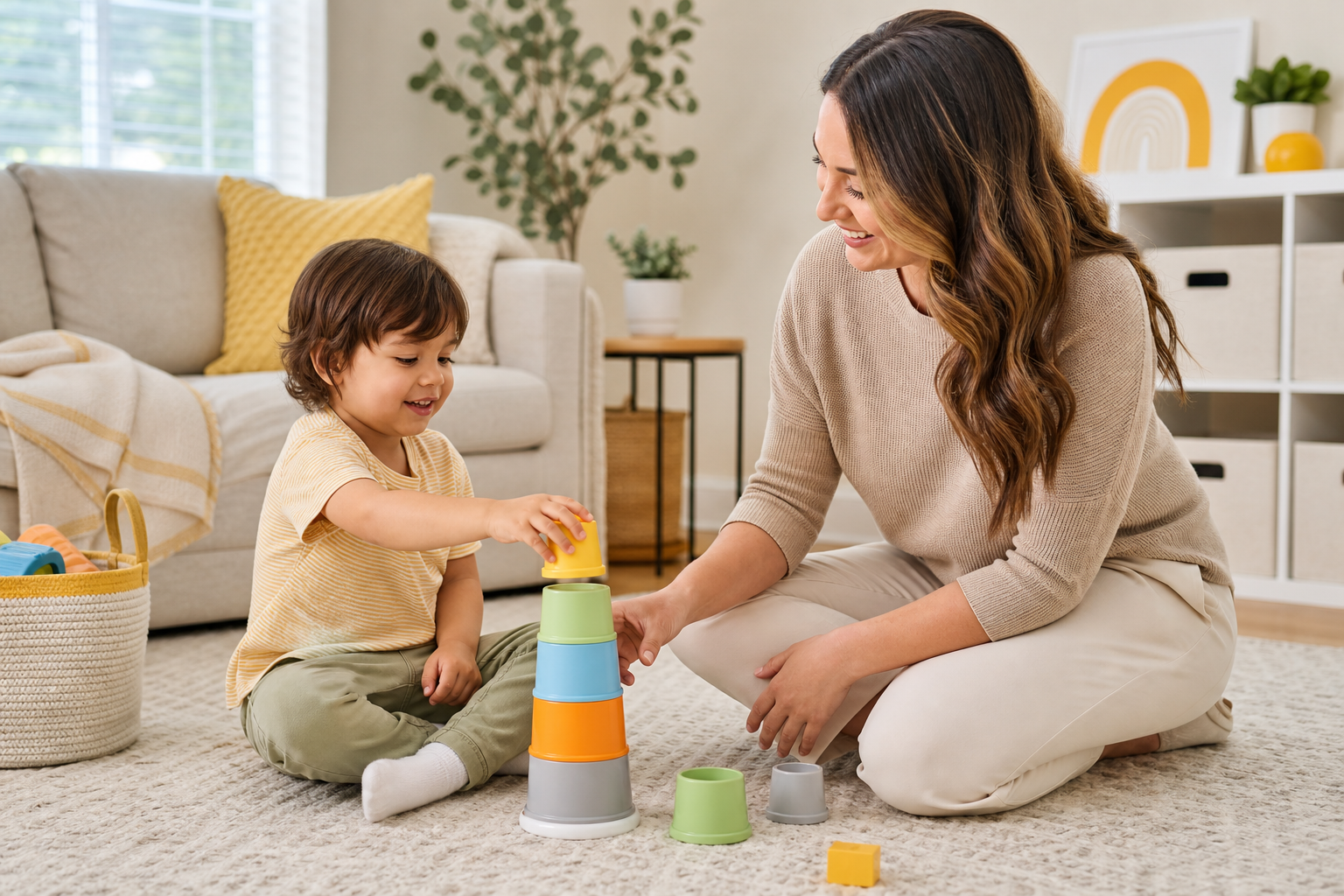
From the outside, pairing can look simple. A therapist might sit on the floor with your child, join a favorite activity, match their pace, offer preferred toys, or keep the interaction easy and playful. That does not mean the therapist is just hanging out. They are learning what matters to your child and using that information intentionally.
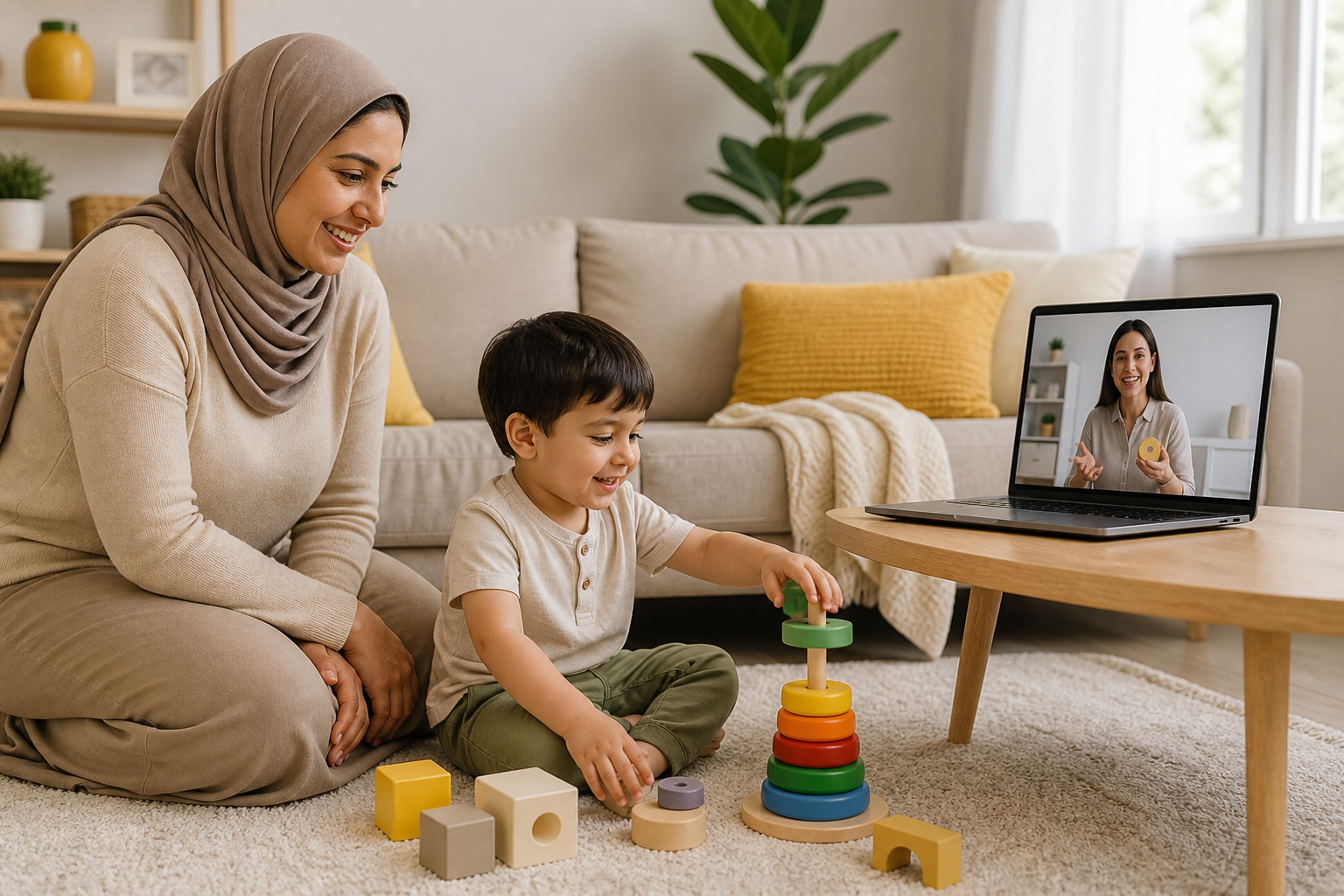
In home-based sessions, pairing may happen through familiar routines, comfort items, and play in spaces where your child already feels secure. In school-based sessions, it may involve joining short activities or using familiar interests to feel less intrusive. In a clinic, pairing may include movement, play stations, or preferred activities that help the setting feel less overwhelming. In telehealth-supported parent training, a BCBA may talk with caregivers about what signs of rapport to look for and what early sessions are meant to accomplish.
You may also notice what is not happening yet. There may be fewer direct demands, less correction, and less pressure to sit still for long periods. That can be hard to watch if you are expecting visible instruction. Still, it is often part of the plan.
At the same time, families should not be left guessing. A collaborative team should be able to explain what they are noticing, what your child seems to respond to, and how they will know it is time to add more structure. If you want a fuller picture of what sessions can include over time, this guide to what a typical ABA session can look like can help.
The TRUST Before Teaching framework
A simple way to think about pairing is TRUST before teaching.
T: Tune into the child’s interests
The therapist starts by noticing what your child naturally enjoys, seeks out, or finds calming. Those interests become the starting point for connection.
R: Reduce early pressure
The first phase often keeps demands light. This helps the child experience the therapist as supportive, not overwhelming.
U: Use reinforcement on purpose
Preferred items, movement, social warmth, and successful interactions are not random extras. They help make time with the therapist feel positive and meaningful.
S: Spot signs of safety and connection
As pairing begins to work, families may notice small changes like easier approach, more shared attention, longer engagement, or calmer body language.
T: Transition gradually into teaching
Pairing is not the finish line. It is the bridge into more structured work. As trust grows, the therapist can introduce more teaching in a way that feels steadier and more sustainable. That gradual shift is part of how pairing supports social and communication growth.
Signs pairing is working
You do not need dramatic change to know pairing is moving in the right direction. In many cases, progress shows up in small, very real moments first.
Signs pairing may be working include:
- your child seems easier to approach when the therapist arrives
- your child stays engaged a little longer, even if the session still looks play-based
- there is more shared attention during activities
- your child shows more communication attempts, whether through gestures, sounds, words, or device use
- short transitions feel a little smoother
- body language looks calmer, with less avoidance over time
These changes are easy to underestimate, but they matter. Trust usually builds step by step.
It also helps to remember that progress is not always linear. A child may seem comfortable one day and more cautious the next. Fatigue, illness, schedule changes, new environments, or stress at home can all affect how sessions go.
When parents should ask follow-up questions
Pairing should feel thoughtful and intentional, even when it looks relaxed. Parents deserve clear communication about that process.
It may be helpful to ask follow-up questions if:
- no one is explaining what the team is observing
- you do not understand what signs they are using to judge progress
- your child remains highly avoidant and the approach does not seem to adjust
- the plan stays vague for too long without a clear sense of next steps
Those questions do not mean you are being difficult. They are part of a healthy partnership. A BCBA should be able to explain why the team is taking a certain pace and what they expect to see before demands increase. If you are also wondering how this stage connects to bigger milestones, this article on when children may start showing progress in ABA therapy can offer more context.
How parents can support the pairing process
Parents do not need to take over sessions for pairing to work. In most cases, the most helpful role is to share what you know and stay in conversation with the team.
You can support pairing by telling the therapist what truly motivates your child, what tends to upset them, what routines help them settle, and what interests light them up. That might include favorite toys, songs, movement breaks, sensory preferences, comfort items, or very specific topics.
It also helps to ask practical questions like:
- What is my child responding to right now?
- What signs tell you they are getting more comfortable?
- When do you expect to begin adding more demands?
- Is there anything you want us to watch for between sessions?
That kind of communication keeps everyone working together without putting the entire process on the family. When caregivers and clinicians share observations, children often get a more predictable and supportive experience. If you want more context on who guides those decisions, this overview of what a BCBA does on your child’s ABA team is a helpful place to start.
Is pairing taking hold? A simple parent checklist
During the first week or two of services, these questions can help you notice whether trust is beginning to grow.
Before sessions
- Do I understand that early sessions may look more play-based before they look highly instructional?
- Do I understand that building trust is part of progress, not a pause in progress?
What the therapist is doing
- Are they following my child’s interests before introducing bigger demands?
- Are preferred activities or interactions being used intentionally?
- Are small requests or transitions being added gradually, not all at once?
What the child is showing
- Does my child seem more willing to stay near the therapist?
- Am I seeing more shared attention, easier approach, or calmer body language?
- Is engagement becoming a little easier over time?
What I can ask
- What motivators are working best right now?
- What signs tell you pairing is taking hold?
- What will the transition into more teaching look like?
When to follow up
- I would ask for clarification if the plan or goals are not being explained clearly.
- I would ask for a BCBA conversation if my child stays highly avoidant and the approach is not adjusting.
FAQ
What is pairing in ABA therapy?
Pairing in ABA therapy is the process of helping a child connect the therapist with positive, low-pressure experiences before more structured teaching begins.
Why is pairing important in ABA?
It helps build trust, comfort, and motivation. That stronger relationship can make later teaching, communication work, and transitions feel more manageable.
What does pairing look like in the first weeks of ABA?
It often looks like the therapist joining preferred activities, keeping demands light, and learning what helps the child feel comfortable enough to engage.
How can parents tell if pairing is working?
Look for small, practical signs like easier approach, longer engagement, more shared attention, calmer body language, smoother transitions, or more communication attempts.
How long does the pairing process usually take?
There is no set timeline. Some children warm up quickly, while others need more time based on age, setting, sensory needs, communication style, and comfort with new people.