


When it comes to helping children build meaningful connections, develop communication skills, and express themselves confidently, one of the most powerful yet often overlooked techniques in ABA therapy is pairing. The ABA therapy pairing process is the foundation that determines how successfully a child engages, learns, and grows through therapy. It’s not just about teaching—it’s about creating trust, comfort, and motivation before instruction even begins.
At Perfect Pair ABA, our approach is centered on understanding the child first. Based in North Carolina, we believe every child deserves to feel safe and happy during therapy sessions. That’s why we emphasize pairing—a process that ensures children connect emotionally with their therapists before diving into skill-building tasks.
Understanding ABA Therapy Pairing
In simple terms, ABA therapy pairing is the process of building a positive relationship between the therapist and the child. It involves associating the therapist with fun, comfort, and reinforcement so that the child sees therapy as an enjoyable experience, not a demand-filled session. When done effectively, pairing transforms therapy from a structured learning task into a joyful collaboration.
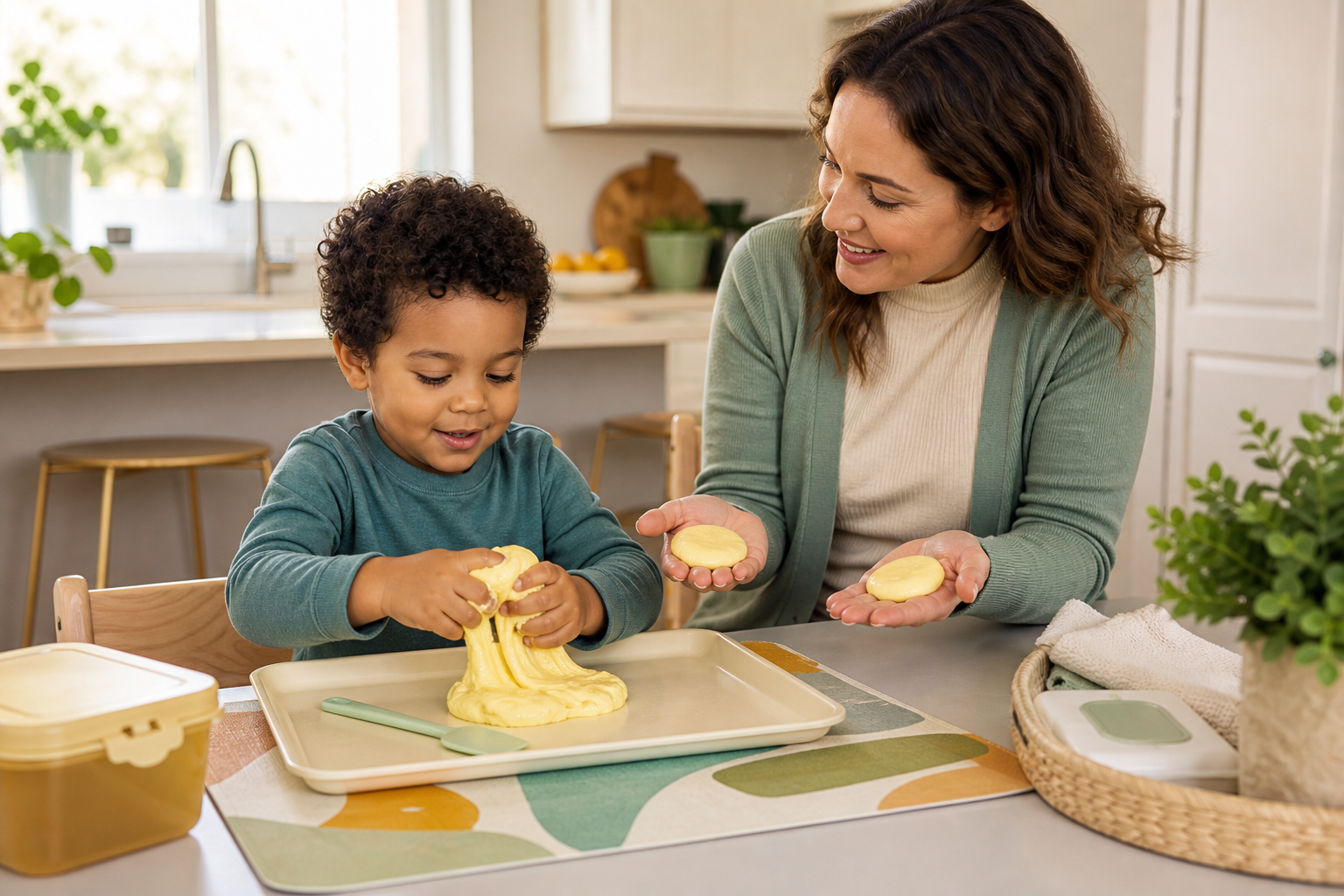
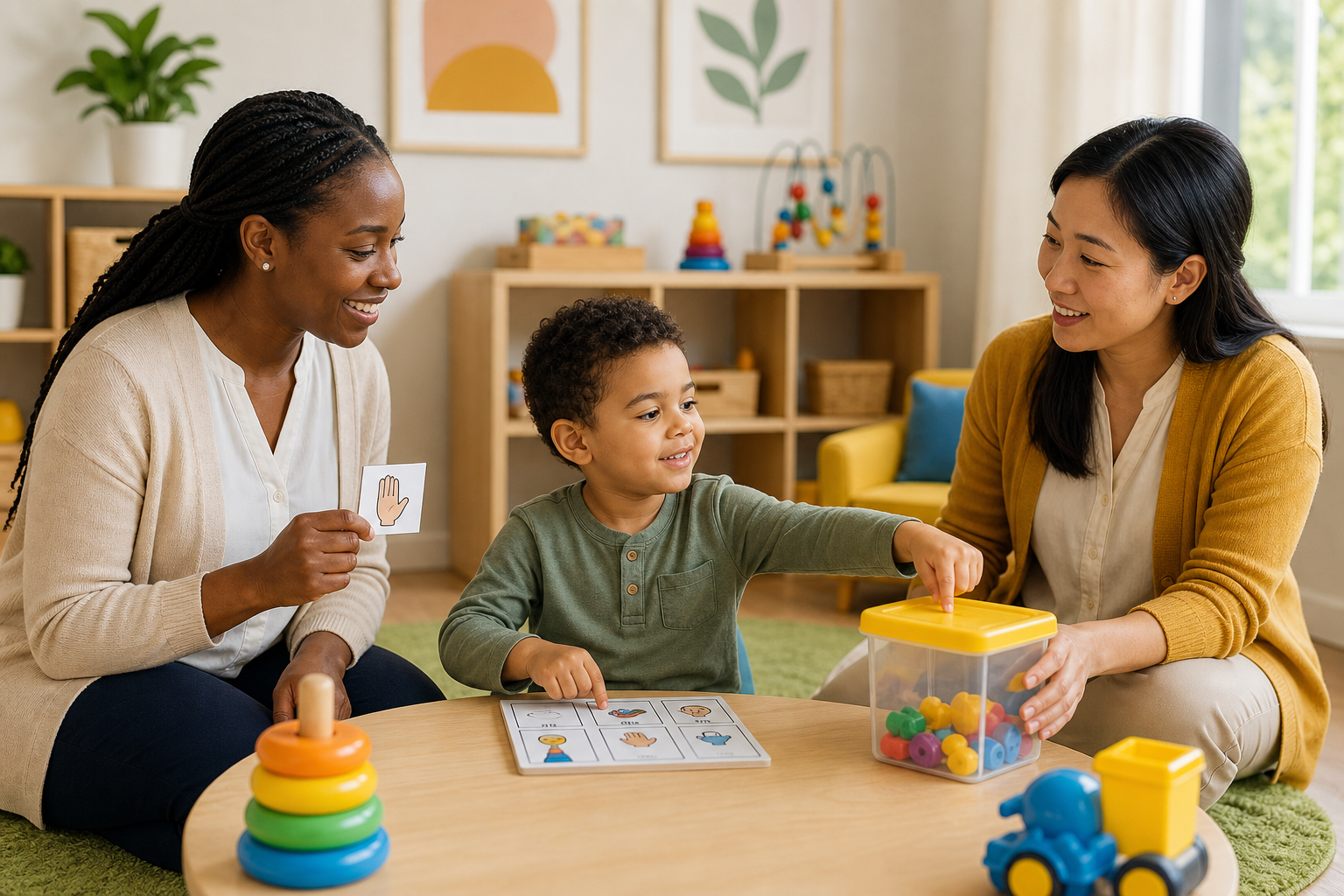
For instance, in the early stages of therapy, the therapist may spend time playing the child’s favorite games, engaging in preferred activities, or simply following the child’s lead. This helps the child understand that the therapist is a source of good things, making it easier for them to participate and communicate freely later on.
Why Pairing Comes Before Teaching
Before a child can truly learn new skills—especially social or communication-related ones—they must first feel connected. This is where ABA therapy pairing plays a crucial role. If a child doesn’t feel comfortable with their therapist, they’re less likely to respond positively to instructions, participate in activities, or display natural communication behaviors.
At Perfect Pair ABA, we don’t rush this step. We know that the relationship between the therapist and the child sets the stage for all progress that follows. By focusing on connection first, we lay the groundwork for smoother communication, better attention, and improved emotional regulation.
How Pairing Supports Social Skill Development
Social skills like taking turns, sharing, greeting others, and responding to questions require trust and comfort. A child who feels anxious or disconnected is less likely to engage in social interaction. Through effective ABA therapy pairing, therapists help children feel at ease, creating an environment where social behaviors can emerge naturally.
1. Encouraging Joint Attention: Joint attention—the ability to share focus on an object or event with another person—is an essential early social skill. Pairing helps develop joint attention by creating enjoyable shared experiences between the child and therapist. For example, when both laugh during a favorite activity, the child begins associating social engagement with positive feelings.
2. Promoting Shared Enjoyment: During ABA therapy pairing, the therapist often participates in play that the child enjoys. This shared fun leads to laughter, smiles, and bonding moments that teach children the joy of connecting with others.
3. Building Confidence in Group Settings: As pairing strengthens trust, children feel more confident participating in group activities or interacting with peers. At Perfect Pair ABA, we’ve seen how pairing-based trust helps children take brave steps like initiating conversations or joining playgroups—skills that can be life-changing in both school and social settings.
How Pairing Enhances Communication Skills
Many children entering ABA therapy may have limited or developing communication abilities. They may struggle to express wants, needs, or feelings effectively. The ABA therapy pairing process gives children a safe space to use their voices—or other communication methods—without fear or pressure.
1. Reducing Communication Anxiety: Through pairing, children learn that communication leads to positive outcomes. When a therapist consistently responds kindly and promptly to a child’s attempts to communicate, it encourages them to try more often.
2. Modeling Communication Naturally: Therapists use everyday interactions during pairing to model appropriate speech, gestures, and expressions. For example, when playing a game, the therapist might model phrases like “my turn” or “your turn,” helping the child learn functional language without direct instruction.
3. Supporting Nonverbal Communication: Not all communication is verbal. Some children communicate through gestures, eye contact, or sounds. During ABA therapy pairing, therapists recognize and reinforce these nonverbal signals, helping children understand that all forms of communication are valid.
Steps Involved in ABA Therapy Pairing
Effective pairing requires patience, observation, and a deep understanding of the child’s preferences. At Perfect Pair ABA, our therapists follow a structured yet flexible approach:
Step 1: Observation
The therapist begins by observing the child—what toys they prefer, how they play, what makes them smile, and what might cause frustration.
Step 2: Participation
Next, the therapist joins in activities the child enjoys, following their lead. This shows the child that the therapist is not there to control but to share joy.
Step 3: Reinforcement
Positive reinforcement is introduced gradually. If a child communicates or interacts positively, they’re rewarded with something enjoyable—a favorite toy, song, or praise.
Step 4: Building Trust
As sessions progress, the child starts associating the therapist with fun and success. This trust allows the therapist to slowly introduce learning tasks.
Step 5: Transition to Teaching
Once pairing is successful, the therapist can begin structured teaching with minimal resistance. The foundation of trust ensures that learning feels natural, not forced.
The Science Behind Pairing
ABA therapy pairing is grounded in behavioral psychology. It uses the concept of “classical conditioning,” where a neutral stimulus (the therapist) becomes associated with a positive experience (preferred activities). Over time, the presence of the therapist alone becomes reinforcing.
This scientific foundation explains why pairing is not just a warm-up phase—it’s a critical behavioral strategy that directly influences learning outcomes. Without pairing, even the most well-designed ABA program may fall short because the emotional connection is missing.
Why Parents Play a Crucial Role in Pairing
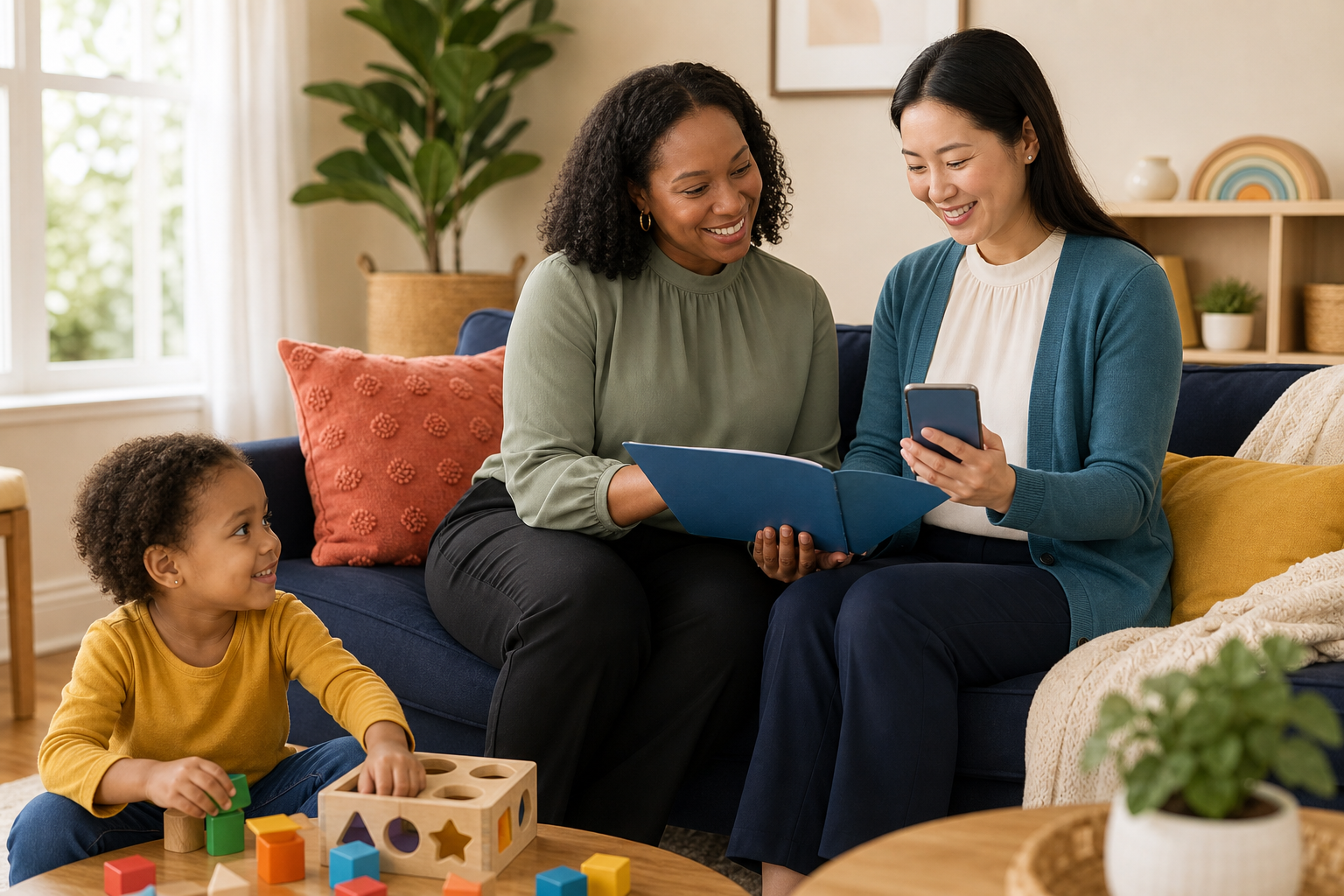
Parents are a vital part of the pairing process. When they continue positive associations at home, children generalize the trust and motivation built during therapy. We often guide parents at Perfect Pair ABA on how to continue pairing techniques—like engaging in favorite play routines or using positive reinforcement at home.
This teamwork between therapists and parents ensures that progress isn’t confined to therapy sessions. It extends into the child’s everyday life, strengthening both communication and social confidence.
The Role of Pairing in Long-Term Success
Pairing isn’t just for the beginning of therapy—it continues throughout the child’s journey. As therapists introduce new goals or challenges, they return to pairing strategies to maintain motivation. This balance of connection and structure helps children stay engaged over time.
Moreover, pairing supports emotional regulation. When children face frustration, their bond with the therapist helps them navigate emotions safely. They learn that challenges can be overcome with support, which is a valuable life lesson extending far beyond therapy.
Pairing in Group and Community Settings
In community-based programs or group sessions, ABA therapy pairing helps children feel more secure in social environments. By ensuring that group leaders and peers are associated with positive experiences, therapists create inclusive and welcoming spaces for learning.
At Perfect Pair ABA, our group programs in North Carolina emphasize this approach. Whether it’s a social skills group or community outing, pairing ensures every child feels connected, motivated, and ready to participate.
How Perfect Pair ABA Leads with Compassion and Connection
Our name says it all—Perfect Pair ABA was founded on the belief that perfect partnerships lead to perfect progress. We focus not just on behavior change but on relationship building. Every child who walks through our doors is met with understanding, patience, and joy.
From the first session, our team in North Carolina ensures that the therapy journey begins with trust. We use ABA therapy pairing as a cornerstone to develop individualized programs that foster communication, independence, and lifelong confidence.
When families choose us, they’re not just choosing therapy—they’re choosing a team that truly cares about emotional connection and growth.
Common Mistakes to Avoid in Pairing
While pairing may seem simple, there are common pitfalls therapists or parents can make:
- Rushing the process: Pairing takes time. Skipping this stage can create resistance later.
- Using too many demands early: Demands should be minimal until the relationship is strong.
- Ignoring preferences: Pairing must revolve around the child’s interests, not adult choices.
- Inconsistent reinforcement: Without consistent positive feedback, pairing loses its strength.
At Perfect Pair ABA, our trained professionals are careful to avoid these errors, ensuring every child feels valued and heard.
Key Takeaways
- ABA therapy pairing is the foundation of all learning and relationship building.
- It helps children feel safe, motivated, and open to new experiences.
- Strong pairing directly supports the development of social and communication skills.
- When done with patience and consistency, pairing transforms therapy into joy-filled progress.
- Parents and therapists working together ensure that trust and growth extend beyond the clinic.
Final Thoughts
The role of pairing in strengthening social and communication skills cannot be overstated. It’s the heartbeat of effective ABA therapy—the bridge between trust and transformation. When a child feels connected, every other skill—speaking, sharing, listening—flows naturally.
At Perfect Pair ABA, we take pride in helping children across North Carolina reach their fullest potential through compassionate, connection-based care. With every smile, laugh, and breakthrough moment, pairing proves that the most meaningful progress begins with a perfect connection.
Frequently Asked Questions (FAQs)
What is pairing in ABA therapy?
Pairing in ABA therapy means building a positive relationship between the therapist and the child before introducing structured teaching. It helps children feel comfortable, motivated, and ready to engage in learning.
How long does the pairing process take?
The duration varies depending on each child. Some may form trust within a few sessions, while others might need more time. At Perfect Pair ABA, we let the child’s comfort guide the process rather than rushing it.
Why is pairing important for communication development?
When children feel safe and connected, they’re more likely to express themselves. Pairing creates an environment where communication—whether verbal or nonverbal—is encouraged and rewarded naturally.
Can parents help with pairing at home?
Absolutely. Parents play a vital role by continuing positive interactions outside therapy sessions. Simple activities like play, praise, or shared fun help strengthen the child’s trust and motivation.
How does Perfect Pair ABA use pairing in North Carolina?
Our North Carolina-based team uses pairing to make therapy sessions enjoyable and relationship-driven. We focus on understanding each child’s interests and incorporating them into therapy to create a bond that supports long-term success.
Is pairing only for new clients?
Not at all. Pairing is used throughout therapy to maintain engagement, especially when new goals or tasks are introduced. It keeps learning positive and prevents frustration.