


Developing independence in everyday routines is a significant part of a child’s developmental journey. Tasks connected to meals and personal hygiene are repeated daily and form the foundation for lifelong self-care and responsibility. ABA Programs are designed to address these needs through clinician-led interventions that support children in acquiring and strengthening practical life skills within real-life settings.
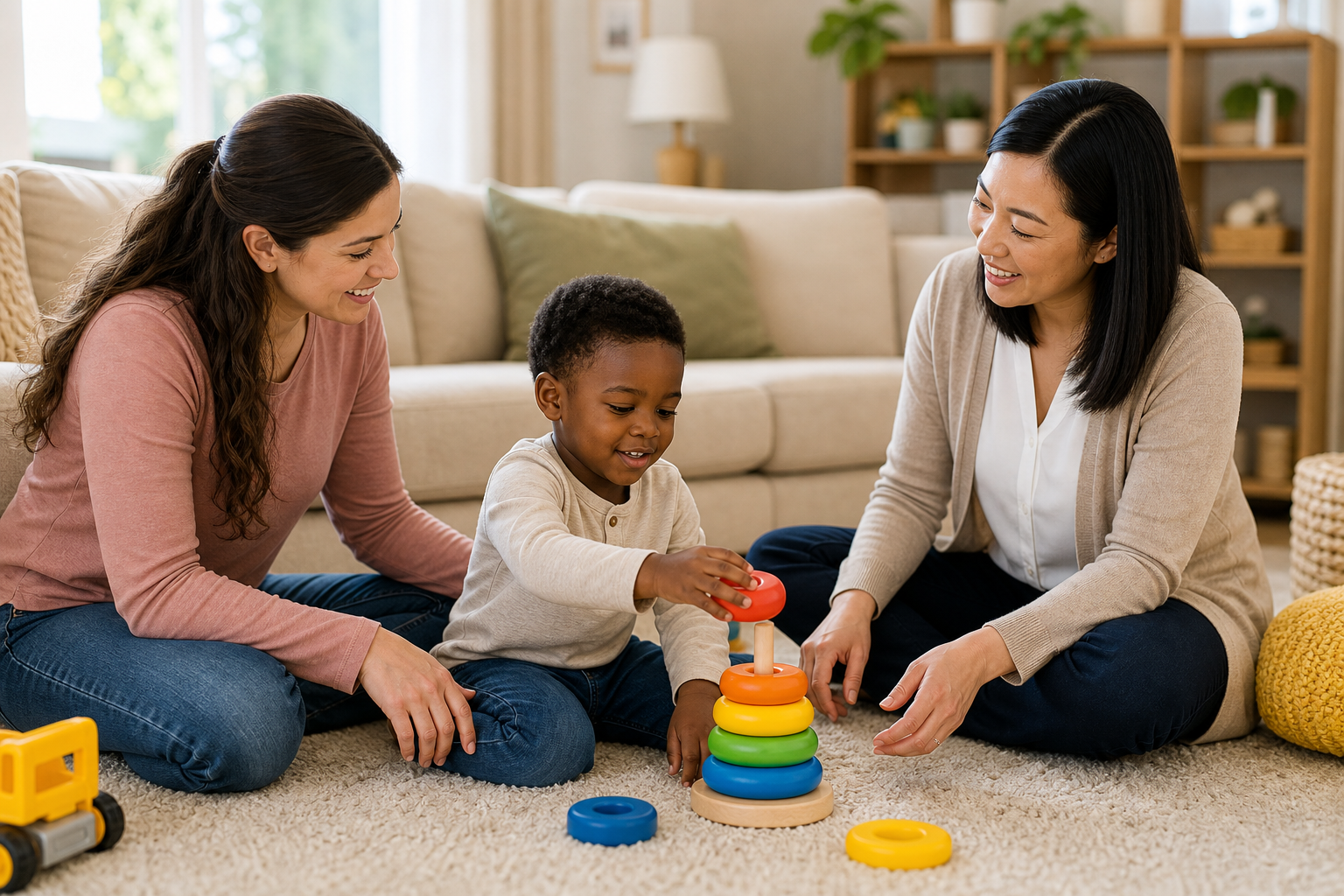
For families seeking professional support, services such as in home aba therapy Cornelius, NC allow licensed clinicians to work directly within the child’s home environment. Therapy delivered in familiar surroundings allows children to practice skills in the exact context where routines occur, supporting smoother progress toward independence. These programs focus on structured teaching, clinical oversight, and consistent skill development rather than informal instruction, ensuring progress remains guided by trained professionals.
Understanding the Role of ABA Programs in Daily Life Skills
Daily routines involve many interconnected abilities, including coordination, sequencing, attention, and awareness of expectations in social and home environments. For many children, managing these routines independently takes time and specialized support.

ABA Programs address these challenges through structured, clinician-directed intervention plans. Therapists evaluate each child’s strengths and areas requiring support and then implement programs focused on building independence in practical daily activities.
Programs delivered through providers offering best in home aba therapy near me allow therapy teams to observe routines where they naturally occur. Because clinicians work within familiar environments, they can guide skill development in a way that reflects real-life demands while maintaining professional oversight.
Through ongoing clinical monitoring and adjustment, children gradually demonstrate increased independence within meal and hygiene routines.
Meal Routines and Independence Development
Meal routines present consistent opportunities for children to strengthen independence. Participation in mealtime activities promotes responsibility, engagement, and self-management while also supporting social interaction within the household.
Within ABA Programs, clinicians design interventions that help children become more comfortable participating in meal routines. Rather than focusing solely on eating, programs address broader participation, including engagement with routine expectations and gradual involvement in meal-related activities.
Services such as in home aba therapy Cornelius, NC allow clinicians to guide these routines within the child’s own environment. Therapy sessions can be scheduled during natural meal times so clinicians can support skill development within authentic daily contexts.
As clinician-led interventions continue, children often demonstrate greater confidence and familiarity with meal routines, leading to smoother participation and increasing independence over time.
Hygiene Routines and Personal Care Development
Personal hygiene routines play a critical role in health, comfort, and participation in social and educational environments. Tasks such as handwashing, toothbrushing, bathing, and dressing contribute to daily well-being and independence.
ABA Programs target hygiene development through structured clinical interventions that help children gain familiarity with personal care routines. Therapists guide skill development by supporting children in becoming more comfortable with expectations surrounding daily hygiene.
Programs accessed through best in home aba therapy near me provide clinicians with direct access to real-life routines, allowing them to observe challenges and support development in ways that reflect everyday experiences.
As children progress through clinician-led programs, they gradually show increased independence in managing hygiene routines, supporting confidence in both home and community settings.
Clinical Structure and Positive Reinforcement
A core component of ABA Programs involves structuring learning so that children can build complex routines gradually. Many daily activities consist of multiple actions that must occur in sequence, and clinician-directed programs address these components through carefully designed teaching plans.
Positive reinforcement remains a clinically supervised strategy within therapy sessions. Therapists identify effective motivators and apply them appropriately to support continued participation and engagement during therapy activities.
Services provided through in home aba therapy Cornelius, NC allow clinicians to monitor progress directly and make real-time adjustments to maintain effective intervention strategies. Progress is guided through professional oversight rather than informal instruction, ensuring skill development remains consistent with clinical standards.
Over time, structured reinforcement within therapy sessions contributes to greater independence in meal and hygiene routines.
Individualized Program Development
Each child develops at a unique pace and presents different strengths and challenges. For this reason, ABA Programs are individualized to reflect the needs of each child.
Clinicians delivering services through in home aba therapy Cornelius, NC evaluate the child’s abilities within their natural environment and develop intervention plans that match developmental readiness and therapy goals.
Adjustments are made based on clinical observations and measured progress, ensuring therapy remains appropriate and effective. This individualized process allows independence to develop gradually while maintaining realistic expectations.
Personalized intervention plans ensure that children receive professional support tailored specifically to their learning profile, helping promote long-term independence within daily routines.
Professional Oversight and Environmental Consistency
Consistency across environments supports successful outcomes in therapy. Within ABA Programs, licensed clinicians maintain responsibility for implementing and adjusting intervention strategies while ensuring therapy goals align with daily routines.
Programs offered through best in home aba therapy near me allow clinicians to guide skill development in the environments where routines occur naturally. Families remain informed about progress and therapy goals, while clinicians continue directing and managing skill acquisition.
This structure ensures that therapeutic intervention remains clinician-led, while environmental consistency supports the child’s ability to apply skills across different daily settings.
Monitoring Progress and Recognizing Milestones
Progress measurement remains a critical component of ABA Programs. Clinicians continuously monitor development to determine which skills are improving and where additional support may be necessary.
In-home services such as in home aba therapy Cornelius, NC allow therapists to evaluate progress within actual routines rather than artificial settings. Adjustments can then be made based on observed performance and developmental needs.
Recognizing milestones supports motivation and reinforces positive progress within therapy sessions. Celebrating progress encourages continued engagement and contributes to increasing independence in daily routines.
Long-Term Benefits of ABA Programs for Daily Life
The long-term purpose of ABA Programs is to help children gain independence that supports everyday functioning and future success. Skills learned through meal and hygiene routines extend beyond immediate tasks and influence overall development.
Children who progress through clinician-led programs often demonstrate:
- Increased confidence managing personal routines
- Greater comfort participating in daily activities
- Improved readiness for school and community environments
- Enhanced self-management abilities
- Stronger independence in personal care tasks
Services like best in home aba therapy near me support development in environments where skills are naturally applied, strengthening retention and long-term success.
Building independence within daily routines helps children prepare for future environments that require personal responsibility and routine management.
Integrating ABA Programs Within Everyday Life
Therapy outcomes improve when interventions occur in the environments where routines naturally exist. ABA Programs implemented through in-home services allow clinicians to guide learning within authentic daily contexts.
With services such as in home aba therapy Cornelius, NC, therapy sessions occur in the home environment, allowing children to practice skills within familiar routines. This approach reduces disruption while supporting consistent skill development.
As clinician-led interventions continue, children gradually demonstrate greater independence and confidence managing everyday routines within their natural environment.
Conclusion
ABA Programs play an essential role in helping children build independence in meal and hygiene routines. Through clinician-led guidance, individualized programming, and structured intervention, children develop the skills needed to participate confidently in everyday activities.
Services such as in home aba therapy Cornelius, NC and best in home aba therapy near me allow therapy to occur within natural environments while maintaining professional oversight. This approach supports meaningful progress and promotes long-term independence in daily routines.
Perfect Pair ABA provides ABA therapy services that support families while guiding children toward lifelong independence and success.
FAQs
What are ABA Programs, and how do they help with daily routines?
ABA Programs are clinician-directed interventions designed to help children develop practical life skills, including meal and hygiene routines. Therapy focuses on structured skill development within real-life environments, and services like in home aba therapy Cornelius, NC allow clinicians to guide learning directly within daily routines.
How can ABA Programs improve independence in meal routines?
Clinician-led interventions within ABA Programs help children become more comfortable participating in meal routines over time. Therapy delivered through services such as best in home aba therapy near me allows skill development to occur within everyday mealtime environments, promoting gradual independence.
How do ABA Programs support hygiene and self-care skills?
Through professional guidance, children develop familiarity with personal hygiene routines, including daily care activities. Programs provided through in home aba therapy Cornelius, NC enable clinicians to support skill development directly within natural routines.
What is the role of in-home ABA therapy in fostering independence?
In-home therapy allows clinicians to guide skill development within the child’s everyday environment. Services like in home aba therapy Cornelius, NC support progress by aligning therapy with real-life routines, encouraging long-term independence.
How does positive reinforcement work in ABA Programs?
Positive reinforcement is applied within clinician-directed sessions to encourage continued engagement and progress. When applied appropriately, it supports skill acquisition and helps children build independence in daily routines.
Can ABA Programs be tailored for each child?
Yes. ABA Programs are individualized according to each child’s needs and developmental goals. Providers offering best in home aba therapy near me design programs based on clinical evaluation and ongoing progress monitoring.
How are families involved in ABA Programs?
Families remain informed about therapy goals and progress while clinicians maintain responsibility for implementing and guiding interventions. Therapy delivered through in home aba therapy Cornelius, NC occurs within the home environment, allowing routines to remain consistent while interventions stay clinician-led.
What long-term benefits result from ABA Programs?
Children who participate in ABA Programs often demonstrate increased independence, confidence, and ability to manage everyday routines. Services such as best in home aba therapy near me support long-term skill retention by delivering therapy in realistic, everyday contexts.