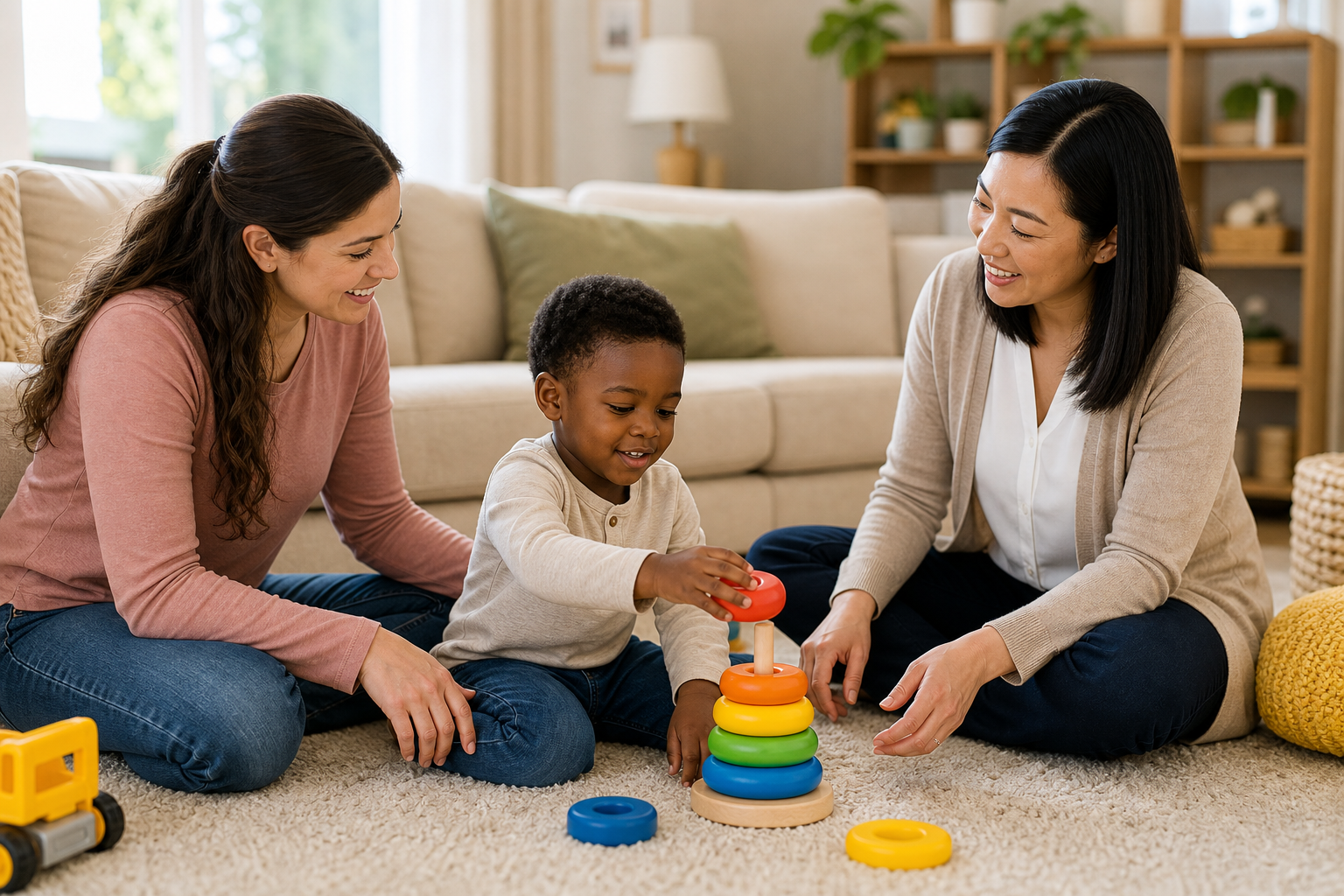



When parents search for home based ABA therapy near me, they often seek practical, flexible, and results-driven solutions that support their child’s development within the comfort of home. Home-based ABA (Applied Behavior Analysis) therapy offers a unique opportunity for families to play an active role in the therapeutic process, while also creating consistent learning environments tailored to their child’s needs. With the right tools and tips, this setting can be just as effective—if not more so—than center-based models.
In this guide, we’ll explore how to make the most of home-based ABA therapy, from environment setup to parent training, and incorporating best practices used by professionals across the country.
1. Create a Structured Environment
The home environment should mimic the structured setup of a professional ABA center while maintaining the familiarity of the child’s living space. Establishing a designated therapy area with minimal distractions helps improve focus and enhances learning outcomes.
Tips for setting up an ideal space:
- Use a small desk or child-sized table for table-time tasks.
- Keep toys, reinforcers, and materials in clear bins or labeled drawers.
- Avoid noisy or crowded areas in the house.
- Maintain consistency by using the same space for each session.
Families in North Carolina looking for best in home aba therapy Greensboro NC often receive guidance from professionals who help set up these environments during initial evaluations.
2. Collaborate Closely with a BCBA
A Board Certified Behavior Analyst (BCBA) plays a critical role in planning and overseeing home-based ABA therapy. They assess the child, develop a customized treatment plan, and supervise Registered Behavior Technicians (RBTs) who carry out the sessions. Parents should remain actively involved, asking questions and reviewing progress regularly.
How collaboration can boost success:
- Attend weekly supervision meetings with the BCBA.
- Use a shared digital log or journal to track progress and challenges.
- Set short-term goals with input from both therapist and caregiver.
Families searching for home based aba therapy near me should prioritize agencies that emphasize this three-way partnership among the child, parent, and clinician.
3. Use the Right Tools and Materials
The success of home-based therapy depends greatly on having access to the right tools and materials. While every child’s program is unique, most ABA therapy plans include resources like visual aids, data collection tools, and reinforcers.
Essential tools to consider:
- Token boards: Helps teach delayed gratification and track progress toward a reward.
- Visual schedules: Promotes independence by showing what to expect during the session.
- Timers: Useful for transitions or teaching waiting skills.
- Reinforcers: High-interest toys, snacks, or activities that motivate the child.
- Data sheets or digital tracking apps: To monitor progress on goals and behaviors.
Agencies offering home aba therapy Greensboro NC often provide these resources as part of their service or guide parents on how to obtain them affordably.
4. Prioritize Consistency in Daily Routines
One of the biggest advantages of home-based ABA therapy is that it allows therapists to integrate behavior strategies into daily routines. This promotes generalization and helps the child apply learned skills beyond the therapy session.
Examples of integrating therapy into everyday life:
- Practice requesting during snack time.
- Use toilet training protocols in the home bathroom.
- Reinforce social skills during family interactions or sibling play.
- Incorporate task completion and clean-up during play or chore routines.
Consistency across caregivers and daily schedules can reinforce learning and make the effects of therapy more lasting.
5. Emphasize ABA Parent Training
No ABA therapy program is complete without empowering parents through training. ABA Parent Training equips caregivers with strategies to manage behaviors, teach new skills, and create a supportive environment when therapists aren’t present.
Key components of parent training include:
- Understanding ABA principles such as positive reinforcement, prompting, and shaping.
- Learning how to prevent or de-escalate challenging behavior.
- Role-playing scenarios with the BCBA.
- Practicing techniques during sessions under therapist supervision.
Caregivers often find that after participating in ABA Parent Training, they become more confident in supporting their child’s progress, especially in between sessions or when facing new behavioral challenges.
Agencies providing best in home aba therapy Greensboro NC typically offer structured parent training modules tailored to the specific needs of each family.
6. Monitor Progress with Data
One of the cornerstones of ABA is data-driven decision making. Therapists and parents must collect and review data to ensure goals are being met and that interventions are working.
Tips for data tracking at home:
- Use digital apps that allow real-time recording and graphing.
- Review session summaries provided by the RBT or BCBA.
- Take note of progress during naturally occurring routines, not just structured therapy sessions.
- Discuss data trends during weekly supervision with the BCBA.
Reliable data allows therapy to evolve with the child’s development and ensures that targets remain appropriate and achievable.
7. Choose the Right Provider
Not all ABA providers offer the same level of in-home care. When searching for home based aba therapy near me, families should look for providers with experience in delivering high-quality services in a home setting.
What to look for in an in-home ABA provider:
- Staff are trained and credentialed (RBT, BCBA).
- Therapists are supervised regularly by a BCBA.
- Customized programs are created for each child.
- Family involvement is encouraged.
- Communication is transparent and frequent.
Families in North Carolina exploring home aba therapy Greensboro NC benefit from working with agencies that understand the regional needs and provide bilingual or culturally responsive care when necessary.
8. Be Patient and Celebrate Small Wins
ABA therapy is a journey that requires time, commitment, and patience. Progress may be slow at first, and regression can happen, but celebrating small victories keeps motivation high for both the child and caregiver.

Ways to stay positive during the journey:
- Keep a success journal to note new milestones.
- Use visuals like sticker charts to track progress.
- Share victories with family and friends to build a support network.
- Set realistic expectations and remain flexible.
By maintaining a positive mindset, families can navigate challenges and fully embrace the growth that comes from consistent therapy at home.
9. Support Generalization Across Settings
One of the ultimate goals of ABA is for children to use their skills in a variety of environments. Home-based therapy allows for seamless transition into real-life scenarios such as community outings, school settings, or family gatherings.
Tips to promote generalization:
- Practice new skills during errands (e.g., greetings at the grocery store).
- Invite extended family to participate in sessions occasionally.
- Work on skills that apply to upcoming events like holidays or school.
The more environments in which a skill is practiced, the more functional and lasting it becomes.
Conclusion
Home-based ABA therapy provides a valuable opportunity for families to engage in their child’s progress while receiving professional guidance in a natural environment. From setting up a distraction-free space to incorporating skills into daily life, caregivers play a vital role in ensuring success. With the right tools, consistent collaboration with qualified professionals, and a commitment to ABA Parent Training, families can see meaningful, lasting progress.
Perfect Pair ABA provides ABA therapy services that support families and enable lifelong success.
FAQs
What is home-based ABA therapy?
Home-based ABA therapy is a structured behavioral treatment delivered in the child’s home environment. It allows therapists to work one-on-one with the child, using familiar surroundings to encourage learning and skill development. Families searching for home based aba therapy near me often choose this model for its convenience and personalized approach.
How effective is home-based ABA therapy compared to center-based services?
Home-based ABA therapy can be just as effective as center-based therapy when implemented correctly. It provides natural learning opportunities, encourages parent involvement, and supports the generalization of skills in daily life. Many families in North Carolina report success with home aba therapy Greensboro NC services tailored to their child’s individual needs.
What tools are commonly used during home ABA sessions?
Common tools include token boards, visual schedules, timers, reinforcers (toys, snacks, or praise), and data collection apps. These materials help therapists deliver structured lessons and track progress efficiently.
What role do parents play in home-based ABA therapy?
Parents are active participants in home-based ABA therapy. Through ABA Parent Training, they learn strategies to support their child’s development, manage behavior, and reinforce therapy goals outside of sessions. This training significantly improves outcomes and helps maintain consistency.
How can I find the best home-based ABA therapy provider near me?
When looking for home based aba therapy near me, consider agencies that offer certified staff (BCBAs and RBTs), individualized treatment plans, regular parent training, and open communication. Providers known for best in home aba therapy Greensboro NC typically also support parents through hands-on collaboration and continuous supervision.
Is it necessary to have a dedicated therapy space at home?
Yes, having a designated therapy area helps minimize distractions and establishes a routine. Even a small, quiet corner with basic materials can serve as an effective space for learning during home-based ABA sessions.
How often are home ABA sessions scheduled?
Frequency depends on the child’s needs and therapy goals. Typically, sessions range from 10 to 40 hours per week. Your BCBA will recommend the ideal schedule based on initial assessments and ongoing progress.
What are the benefits of choosing in-home ABA therapy in Greensboro, NC?
Families opting for best in home aba therapy Greensboro NC benefit from services tailored to their local community, including cultural considerations, bilingual staff when needed, and flexibility in scheduling. Local therapists also better understand regional challenges and resources.