


ABA therapy has become a cornerstone in helping kids with autism develop practical life skills that pave the way for independence. Families seeking aba therapy in home Newport News VA can find programs tailored to their child’s unique needs, ensuring personalized guidance and support. By focusing on daily routines, communication, and social participation, ABA therapy provides a structured approach to skill development that grows with the child.
Practical skill development is essential for kids with autism, as it helps them navigate everyday tasks and increases their confidence. ABA programs are designed to break complex activities into manageable steps, allowing children to master skills systematically. Whether it is brushing teeth, preparing a snack, or organizing personal belongings, these skills form the foundation for self-reliance.
Understanding Practical Skill Development in ABA Therapy
ABA therapy emphasizes measurable, observable behaviors, making it ideal for encouraging practical skill acquisition. Therapists assess each child’s current abilities and create individualized goals that target critical areas such as personal care, academic readiness, and social interaction.
Through repetition, positive reinforcement, and careful monitoring, kids with autism gradually learn and internalize these skills. For example, a child may begin learning handwashing by practicing the sequence of steps multiple times with guidance, eventually performing the task independently. This structured approach ensures that skill development is not only achievable but also sustainable over time.
Early intervention plays a crucial role in maximizing these outcomes. Programs like early intervention ABA therapy help children build essential skills during formative years, setting a strong foundation for lifelong learning.
Daily Living Skills
Daily living skills, also referred to as adaptive skills, are among the primary focus areas in ABA therapy for kids with autism. These skills include personal hygiene, dressing, meal preparation, and household chores. Mastering these tasks enables children to function more independently and reduces reliance on caregivers.
ABA therapists often use task analysis—a method of breaking down complex skills into smaller, teachable steps. For instance, learning to dress independently might start with identifying clothing items, then practicing putting on socks, followed by shoes, and so forth. Each step is reinforced through encouragement, praise, and, when necessary, tangible rewards.
By focusing on these practical tasks, kids with autism can participate more fully in family life and school activities. This independence also fosters self-esteem and empowers children to take on new challenges confidently.
Social and Communication Skills
While practical skills are often tangible, social and communication skills are equally important. ABA therapy integrates these elements to help kids with autism navigate social interactions and build meaningful relationships.

Therapists may use role-playing, modeling, and reinforcement to teach greetings, turn-taking, requesting help, and following directions. Even basic communication skills, such as using simple phrases to express needs, significantly enhance a child’s ability to function in everyday life.
When children learn these practical social and communication skills early, they can interact more successfully with peers, siblings, teachers, and other adults. This progress not only improves day-to-day experiences but also supports long-term social integration.
Academic and Pre-Academic Skills
ABA therapy also promotes academic readiness, particularly in younger children. Skills such as counting, matching, sorting, and recognizing letters or numbers are broken into achievable steps and taught using reinforcement strategies.
Through consistent practice, kids with autism develop both the confidence and competence needed for structured learning environments. For instance, a child may begin with identifying colors and gradually progress to more complex tasks, such as reading simple words or solving basic math problems.
Early intervention is especially beneficial in these areas, as it allows children to acquire foundational skills that will serve as building blocks for future academic success. Early intervention ABA therapy programs ensure these essential skills are taught in developmentally appropriate ways.
Incorporating ABA Therapy Into Home Life
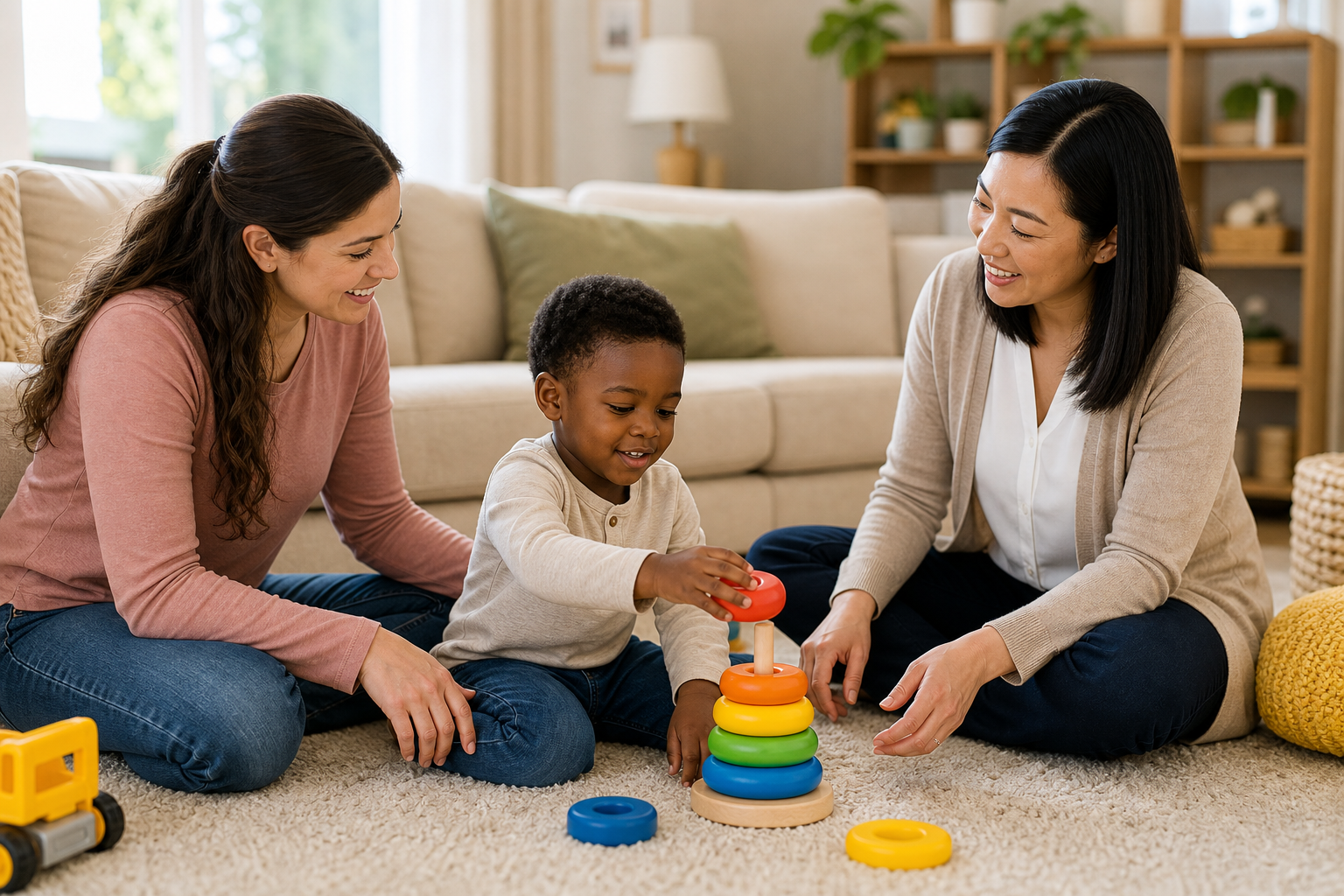
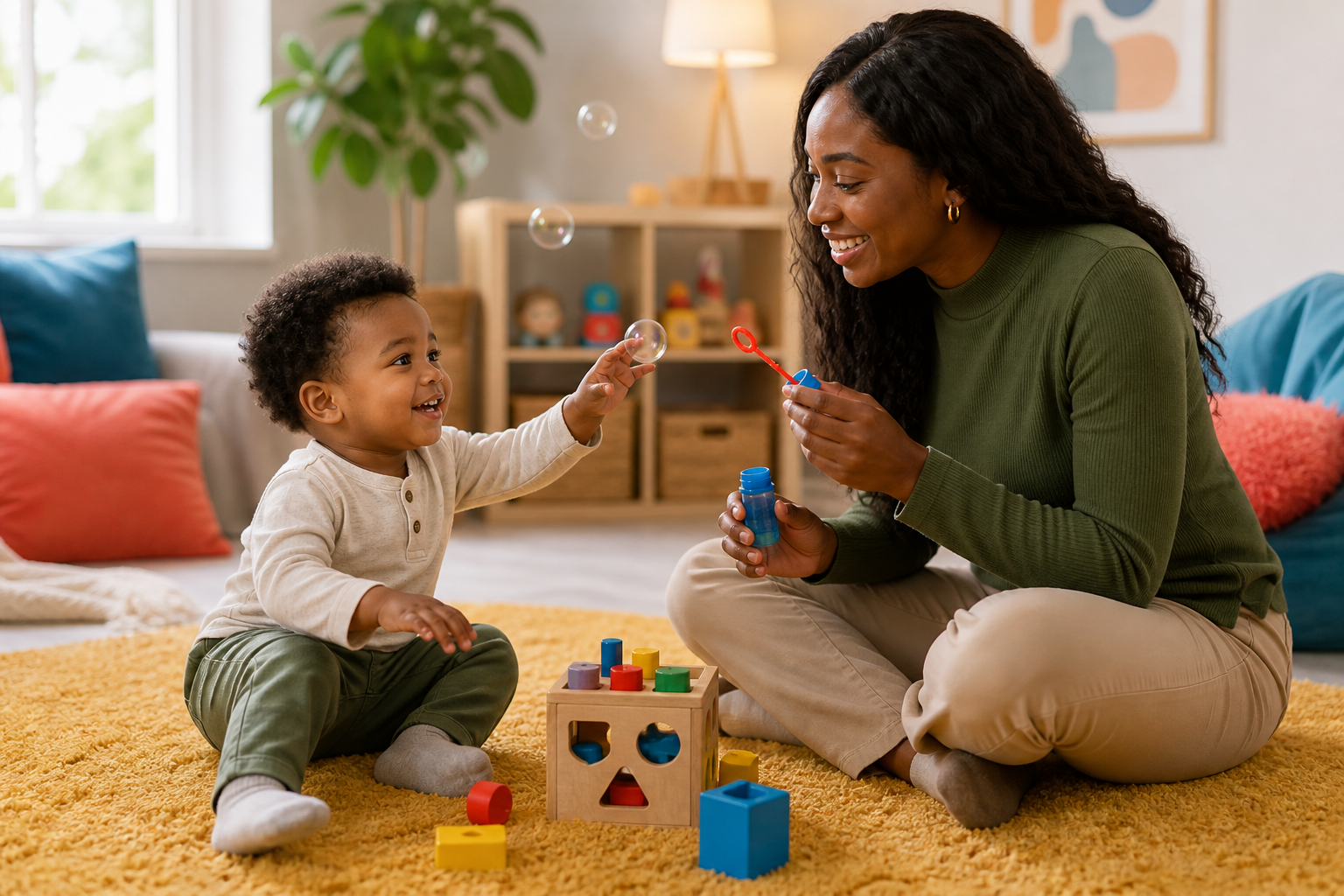
In-home ABA therapy provides a unique advantage for practical skill development. Children learn within their natural environment, which makes the transfer of skills more effective and meaningful.
Parents and caregivers can participate actively, reinforcing learned behaviors throughout the day. By embedding therapy into everyday routines—like setting the table, getting dressed, or brushing teeth—children practice their skills in realistic contexts.
This approach strengthens consistency, which is crucial for skill retention. Additionally, in-home programs allow therapists to tailor interventions to each family’s routines, cultural practices, and specific needs, resulting in a highly personalized learning experience.
Positive Reinforcement Strategies
ABA therapy relies heavily on positive reinforcement to encourage skill acquisition. By recognizing and rewarding progress, therapists help kids with autism associate success with effort.
For example, a child learning to pour a drink may receive verbal praise, a sticker, or another preferred reward upon completing the task successfully. Over time, these reinforcements help establish independence and motivate continued learning.
Positive reinforcement is not limited to tangible rewards. Praise, high-fives, or extra playtime can be equally effective in teaching practical skills. Consistent reinforcement helps children internalize behaviors, eventually allowing them to perform tasks independently without prompts.
Overcoming Common Challenges
Developing practical skills can be challenging for some children due to variability in abilities and learning styles. ABA therapists address these challenges by customizing interventions and using data-driven strategies to monitor progress.
If a child struggles with a particular skill, therapists might break the task into even smaller steps, provide additional modeling, or adjust reinforcement schedules. This flexibility ensures that every child receives the support needed to succeed.
Collaboration with families is also critical. Parents can implement strategies at home, providing consistency that accelerates learning and skill retention. Regular communication between therapists and caregivers allows for timely adjustments to the program.
Measuring Progress and Celebrating Success
ABA therapy emphasizes measurable outcomes, enabling therapists and families to track progress effectively. Skills are often documented using data collection methods, ensuring that improvements are clearly visible over time.
Celebrating small victories is an essential part of the process. Recognizing achievements, no matter how minor, boosts confidence and motivates kids with autism to continue learning. These celebrations reinforce the idea that effort leads to tangible success, fostering a positive learning environment.
Long-Term Benefits of Practical Skill Development
The long-term benefits of practical skill development through ABA therapy are profound. Children gain independence, improved self-confidence, and enhanced problem-solving abilities.
As kids with autism master daily living skills, social interactions, and academic readiness, they become better equipped to face challenges and navigate various life situations. These skills serve as a foundation for future success in school, work, and personal life.
Moreover, early skill acquisition often leads to reduced dependency on adult support, empowering families and children alike. Parents report greater satisfaction as their children become more self-reliant and capable of handling everyday responsibilities.
Conclusion
ABA therapy offers a structured, evidence-based approach to developing practical skills in kids with autism. By combining personalized interventions, positive reinforcement, and early intervention programs, children acquire essential life skills that enhance independence and confidence. In-home therapy options provide additional benefits, allowing families to integrate learning seamlessly into daily routines.
With consistent practice, encouragement, and collaboration between therapists and caregivers, kids with autism can thrive, gaining the tools they need for lifelong success.
Perfect Pair ABA provides ABA therapy services that support families and enable lifelong success.
FAQs
What is ABA therapy, and how does it help kids with autism develop practical skills?
ABA therapy, or Applied Behavior Analysis, is an evidence-based approach that focuses on teaching children essential skills through structured interventions. For kids with autism, ABA therapy emphasizes practical skill development, such as daily living routines, communication, social interaction, and academic readiness. By breaking down complex tasks into manageable steps, children learn systematically and gain independence.
How does in-home ABA therapy benefit children?
In-home ABA therapy in Newport News VA allows children to learn within familiar surroundings, making it easier to practice and generalize skills in real-life contexts. Therapists can observe daily routines and provide personalized guidance, while parents reinforce learning throughout the day. This approach ensures consistency, increases skill retention, and strengthens family involvement.
What are practical skills, and why are they important for kids with autism?
Practical skills, also called life or adaptive skills, include tasks like dressing, grooming, cooking, cleaning, and managing personal responsibilities. For kids with autism, mastering these skills promotes independence, builds confidence, and reduces reliance on caregivers. These skills also enhance participation in social, school, and community activities.
How does early intervention ABA therapy support skill development?
Early intervention ABA therapy focuses on teaching children essential skills at a young age, when learning abilities are most receptive. By addressing developmental milestones early, children gain foundational skills in communication, daily living, and social interactions. Early intervention increases the likelihood of long-term success and helps prevent skill gaps later in life.
Can ABA therapy improve a child’s social and communication skills?
Yes. ABA therapy not only teaches practical life skills but also integrates social and communication training. Techniques such as role-playing, modeling, and reinforcement help children learn greetings, turn-taking, requesting help, and expressing needs effectively. Improved social skills enhance participation in school, family, and community activities.
How are daily living skills taught in ABA therapy?
Therapists use methods like task analysis, breaking down complex tasks into small, teachable steps. Each step is practiced repeatedly and reinforced through positive feedback or rewards. For example, brushing teeth may be taught in stages: picking up the toothbrush, applying toothpaste, brushing each section, and rinsing. This structured approach ensures mastery and independence.