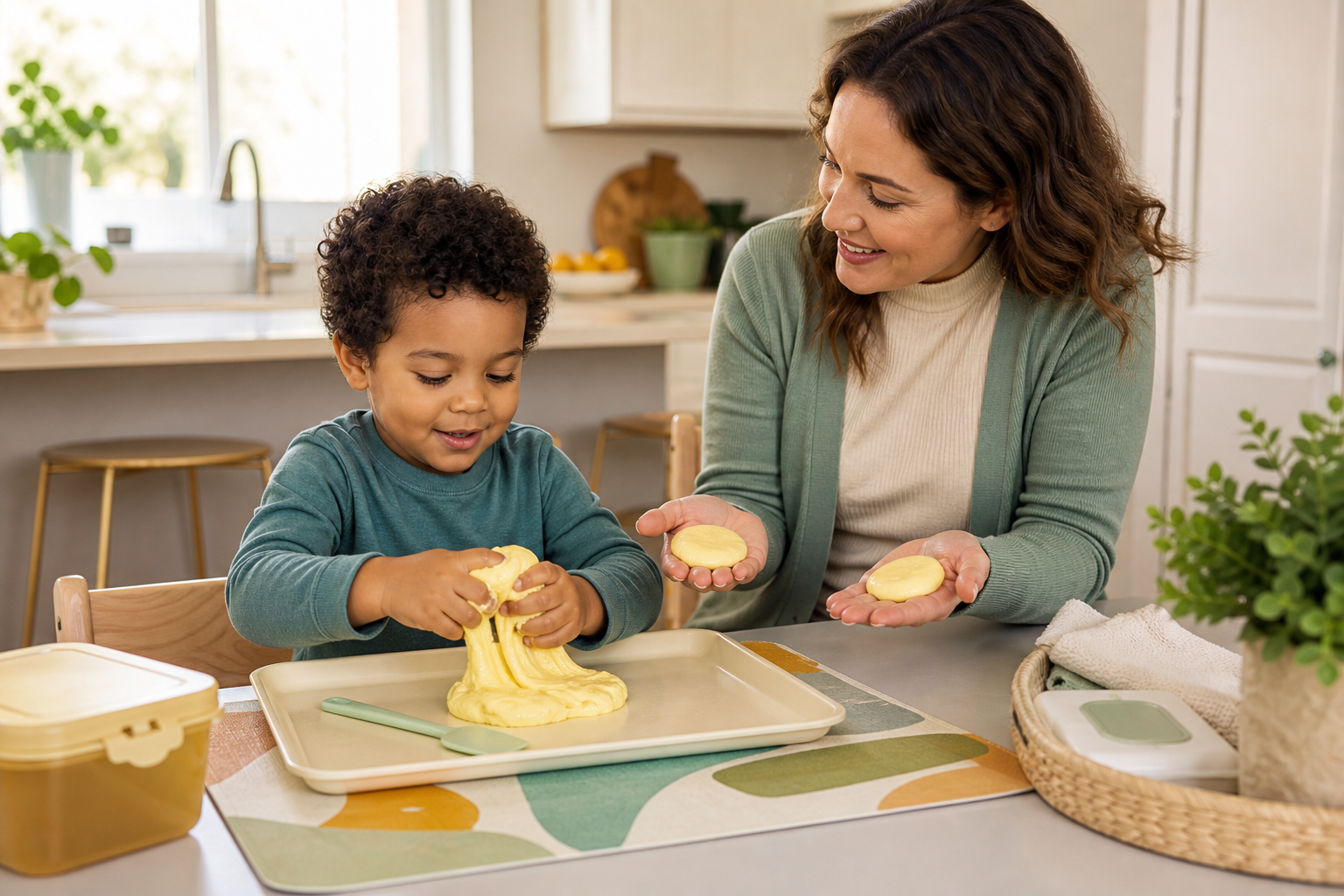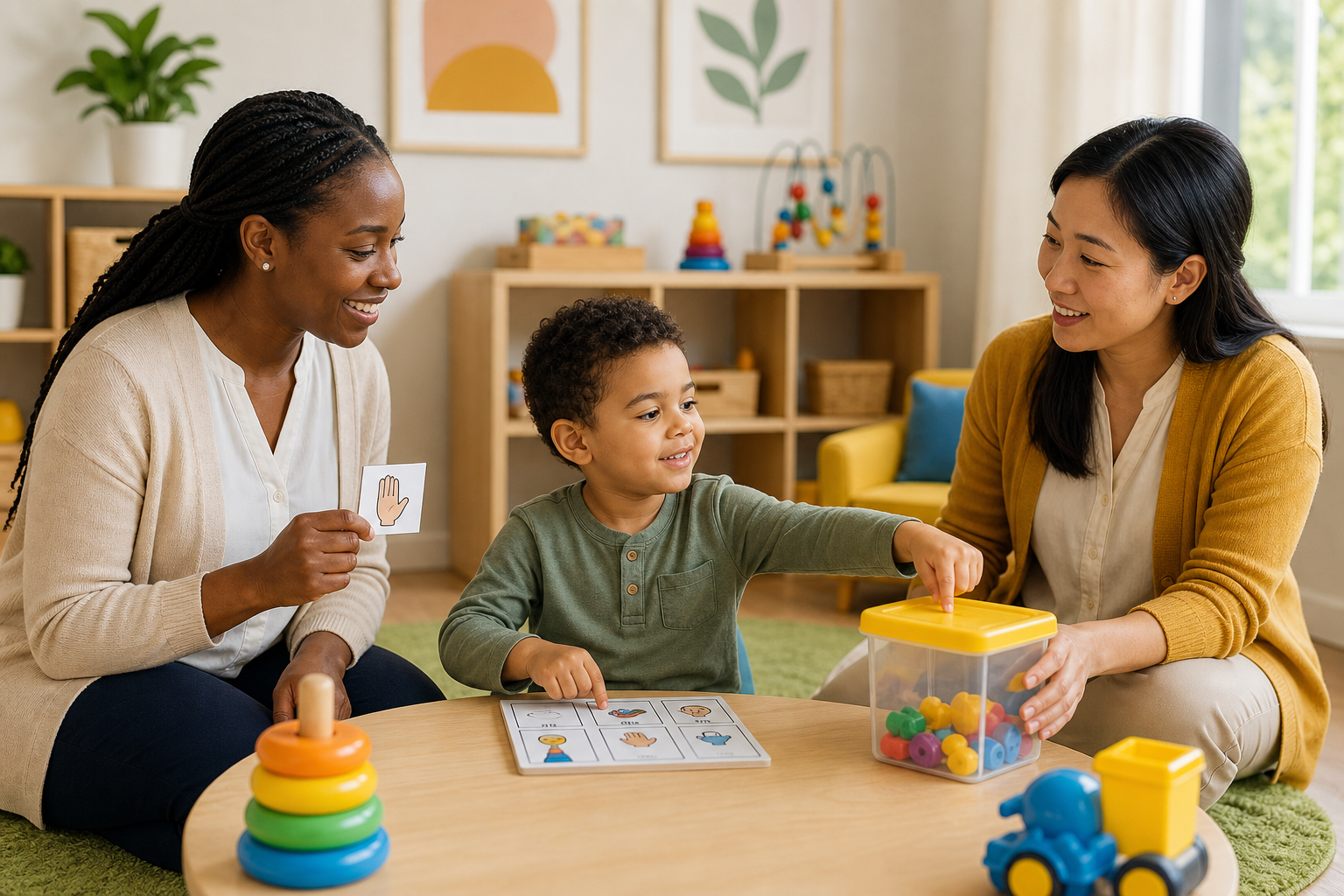



For families seeking the best in home aba therapy near me, Applied Behavior Analysis (ABA) offers an effective and structured approach to helping children develop positive behaviors and communication skills. While professional therapy sessions play a significant role, the real power of ABA can be amplified when parents incorporate its techniques into everyday home routines. With the support of qualified aba providers and the consistency provided at home, children experience faster progress and more lasting results.
In this article, we explore simple and practical ways parents can use ABA techniques in their daily lives, and how doing so complements autism therapy services like home ABA therapy Richmond VA and home ABA therapy near me.
Understanding ABA Basics for Parents
Before diving into strategies, it’s important to understand the basics of ABA therapy. ABA focuses on reinforcing desirable behaviors and reducing behaviors that interfere with learning or development. It’s a data-driven approach that encourages small, measurable improvements over time. Most aba providers will create a customized plan for each child, but the true progress often comes from how consistently these strategies are applied, especially outside the clinic.
Parents don’t need formal training to make a difference at home—they just need to adopt a few foundational ABA principles into daily interactions.
1. Set Clear Expectations and Use Consistent Language
One of the foundational elements of ABA is clarity and consistency. At home, parents can reinforce this by:
- Giving clear and concise instructions (e.g., “Put your shoes in the basket” instead of “Clean up”).
- Using the same words or phrases each time for repeated tasks (e.g., “Time to brush teeth” vs. mixing different phrases).
- Avoiding vague or open-ended requests.
Children thrive when they know exactly what is expected of them. Simple language combined with repetition makes it easier for them to follow instructions and complete tasks successfully.
2. Use Positive Reinforcement to Encourage Good Behavior
Positive reinforcement is at the heart of ABA. When a child performs a desired behavior, they should receive something meaningful in return, whether it’s praise, a favorite toy, or extra playtime.
How to apply it at home:
- Identify what your child values—this could be a small treat, sticker, or even verbal praise like “Great job cleaning up!”
- Give the reward immediately after the desired behavior.
- Keep it consistent so the child makes the connection between the behavior and the reward.
For example, if your child finishes their homework without prompting, immediately acknowledge it with something positive. Over time, the behavior becomes more consistent as it’s associated with a pleasant outcome.
3. Break Tasks into Manageable Steps (Task Analysis)
Many children benefit from tasks being broken down into smaller, simpler steps—a strategy known as task analysis. For example, instead of telling your child to “Get ready for bed,” break it down into:
- Put toys away
- Go to the bathroom
- Brush your teeth
- Put on pajamas
- Get into bed
You can even create a visual schedule or checklist they can follow independently. This method reduces overwhelm and helps the child feel successful with each completed step.
This is a key technique used by aba providers during sessions and can be easily transferred to home environments with consistency.
4. Use Visual Supports and Schedules
Visual schedules are powerful tools that support routine-building. At home, they help children anticipate what’s coming next and prepare for transitions, such as moving from playtime to dinner or from screen time to bedtime.
You can create simple visuals using photos, clipart, or drawings. Apps or printable ABA tools are also widely available for parents. Place the schedule in an accessible area and walk through it each day.
This method supports independence and reduces behavior disruptions caused by sudden changes or unclear transitions. Many autism therapy services use this technique and encourage families to replicate it at home.
5. Model the Behavior You Want to See
Modeling is another ABA-aligned approach that involves demonstrating a desired behavior for your child to imitate. If you want your child to greet others, you can demonstrate the behavior during daily interactions: say “Hi” and wave when someone enters the room, then prompt your child to do the same.
Over time, they learn to copy appropriate responses in social situations or daily routines. Immediate positive reinforcement helps strengthen this learning.
6. Prompting and Fading: Support While Building Independence
Prompting is the act of gently guiding your child toward the correct behavior. There are several levels of prompts—verbal, physical, gestural, and visual. For instance, if your child is learning to tie their shoes, you might start by physically helping them, then gradually move to pointing or verbally guiding them until they can do it independently.
The key is to fade the prompt slowly so your child builds confidence and autonomy. This gradual approach ensures long-term success without overdependence on cues.
7. Create Teaching Moments Throughout the Day
One of the advantages of best in-home ABA therapy near me is that learning happens in real-life contexts. Parents can use everyday moments as teaching opportunities:
- Mealtime: Practice naming foods, requesting items, or following instructions.
- Playtime: Turn-taking, sharing, and imitation skills can be reinforced.
- Chores: Use reinforcement and task analysis to teach responsibility and routine.
These moments offer natural, low-pressure environments to practice key skills while reinforcing family bonds.
8. Keep Data (Even Informally)
Professional aba providers rely heavily on data to track progress. While parents don’t need to be as formal, noting down progress in a simple notebook or app can be very helpful.
You might track:
- Number of times a new behavior occurs
- Which rewards were most effective
- How long it takes to complete a routine
This informal data helps you make better decisions about what’s working and where extra support may be needed. It’s also valuable to share this info with your therapy team to align strategies.
9. Collaborate with Your Therapy Team
If your child is receiving home ABA therapy Richmond VA or similar services in your area, open communication with the therapy team is essential. Share what strategies are working at home and ask for guidance on how to handle challenges.
Many autism therapy services encourage parent participation and provide home programs, activity sheets, or training workshops to ensure a seamless integration between clinic and home.
By being an active participant in your child’s ABA journey, you amplify the effectiveness of both professional sessions and home-based efforts.
10. Maintain a Positive, Patient Mindset
Last but not least, remember that progress takes time. ABA therapy is all about small, measurable changes that build over time. There may be setbacks, frustration, or slow periods, but consistency, patience, and positivity will eventually lead to success.
Celebrate even the smallest wins. Whether it’s a new word spoken, a routine followed independently, or a new social interaction—every step matters.
Final Thoughts
Incorporating ABA techniques at home doesn’t require a degree or specialized training. With a few key strategies and a consistent approach, parents can become powerful partners in their child’s development. From using positive reinforcement to creating routines and modeling behaviors, these simple methods are tools that strengthen the effects of professional interventions like home aba therapy near me or home aba therapy Richmond VA.
For families exploring the best in home ABA therapy near me, combining clinical expertise with home-based consistency provides the most effective results. Parents play a crucial role in their child’s progress—and by embracing ABA techniques at home, they create a nurturing environment where growth and learning never stop.
Perfect Pair ABA delivers expert ABA services to support family growth and long-term success.
FAQs
How can I find the best in home ABA therapy near me?
Start by searching for local ABA providers online, checking their certifications, reviews, and experience. Many families also ask for referrals from pediatricians or local parent support groups. If you’re in areas like Richmond, VA, you can explore services offering home ABA therapy Richmond VA for personalized in-home support.
Can I apply ABA therapy techniques at home without professional training?
Yes. Parents can effectively use basic ABA strategies such as positive reinforcement, clear communication, visual schedules, and task breakdowns at home. These techniques complement the work of professionals and help reinforce skills in a familiar environment.
Why is consistency important when using ABA at home?
Consistency helps children learn routines, understand expectations, and respond more predictably to situations. Applying ABA techniques regularly—just like home ABA therapy near me providers do—helps build lasting behavioral improvements.
What is positive reinforcement, and how can I use it with my child?
Positive reinforcement means rewarding desired behavior to increase the likelihood of it recurring. For example, if your child follows a direction or completes a task, you might give praise, a treat, or extra playtime. This technique is central to autism therapy services and is easy to practice at home.
How do I break down complex tasks for my child?
Use task analysis, which involves dividing a big task (like getting ready for school) into small, manageable steps. You can also create a visual checklist or use picture cards. Many ABA providers recommend this to help children build independence gradually.
Are visual supports really necessary for ABA at home?
Yes, visual supports like picture schedules or charts help children understand routines and transitions more easily. These are often used in professional settings and should be incorporated into home routines for consistency.
How do I know if I’m using ABA strategies correctly at home?
While you don’t need to track data like a professional, keeping simple notes on your child’s responses, progress, and effective rewards can help. If your child is already receiving home ABA therapy Richmond VA, discuss your approach with their therapy team to ensure consistency.
What if my child doesn’t respond to the reinforcement I offer?
Every child is different, and preferences may change over time. Try different types of reinforcement (verbal praise, favorite activities, snacks, etc.) and observe what motivates your child most. Consult your aba providers for help identifying effective motivators.