


Early communication lays the foundation for a child’s social and emotional development, yet many young learners need structured support to begin forming meaningful connections. Families often look for effective, science-backed methods to help their children communicate clearly and confidently. This is where aba home therapy Richmond VA becomes a valuable resource, offering personalized programs designed to help nonverbal children develop essential language skills. Through consistent techniques, family involvement, and goal-oriented learning, ABA Therapy provides a clear pathway for early communication success.
Understanding Early Communication Challenges
Children who are learning to communicate for the first time often face unique barriers. Some may struggle to produce words, while others may find it difficult to understand how communication works in daily life. ABA Therapy breaks down communication into small, teachable steps, empowering children to express their needs, wants, and emotions more effectively. The focus is not only on vocal language but also on alternative methods that help children begin the communication journey.
How ABA Therapy Creates a Strong Communication Framework
ABA programs are designed using individualized assessments that identify a child’s existing skills and areas of improvement. Each communication goal is broken into manageable steps, allowing children to progress at a comfortable pace.
One of the central techniques used in these programs involves reinforcement, which encourages children to use communication forms purposefully. For example, a child may learn to point, gesture, or use simple sounds to request something meaningful. These early wins create motivation and help build confidence.
Teaching Foundational Pre-Language Skills
Before verbal language emerges, children must develop basic communication behaviors. ABA Therapy helps strengthen these foundational skills, such as:
- Eye contact
- Joint engagement
- Imitation of actions
- Early vocal attempts
- Turn-taking behaviors
When children master these building blocks, they are better prepared to learn expressive and receptive language. These steps are essential for children who may initially rely on non-verbal methods but are gradually working toward spoken communication.
Using Natural Environment Teaching to Boost Communication
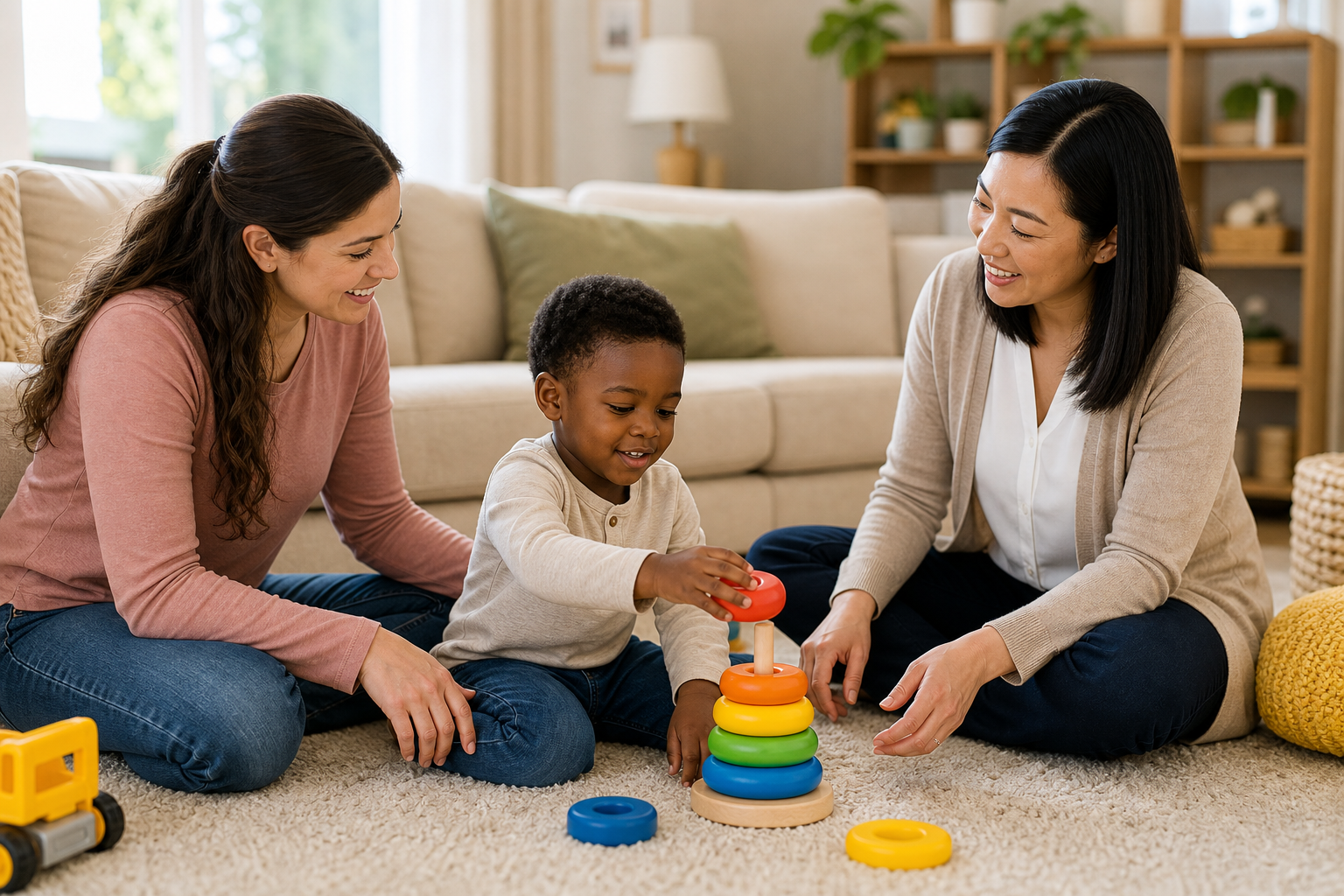
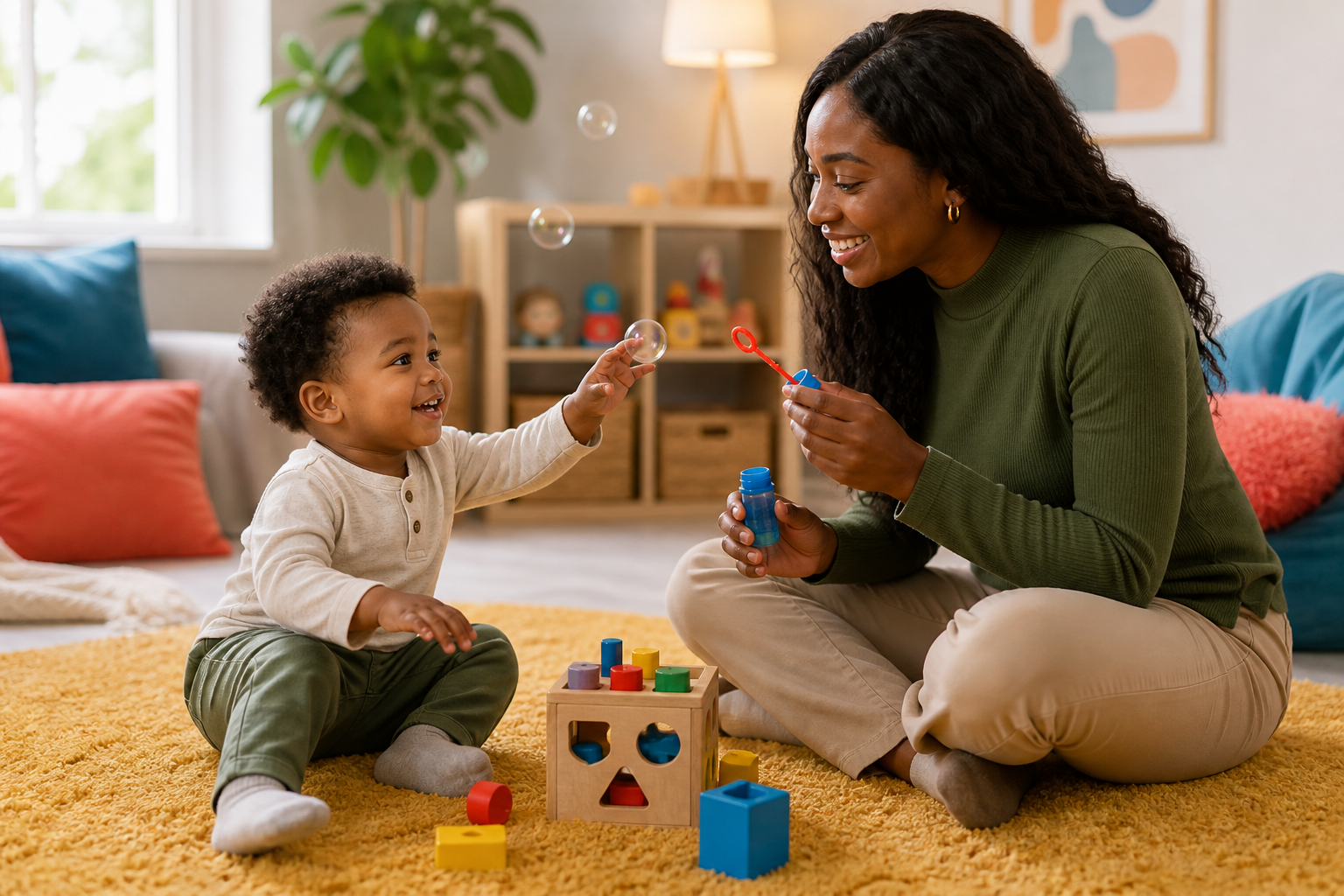
Many ABA programs incorporate Natural Environment Teaching (NET), a method that blends learning into everyday routines. Instead of practicing communication only at a table, children learn through play, routine activities, and daily interactions.

This approach supports early communication development because children practice skills in real, familiar situations. They learn to communicate during mealtime, playtime, outdoor activities, and family routines—moments that matter most in their real lives.
How ABA Encourages Children to Initiate Communication
One of the core goals of ABA Therapy is to help children learn not only to respond but also to initiate interactions. This includes encouraging children to:
- Ask for help
- Request items or activities
- Gain attention
- Share interests
Initiating communication is a major milestone for nonverbal learners, showing progress in both independence and social understanding. It also helps reduce frustration because children gain new tools to express themselves clearly.
Integrating the Focus Keyword Properly in the Article
Many families searching for guidance want to learn how aba therapy for nonverbal children with autism supports communication growth. This highly structured approach uses individualized strategies, consistent reinforcement, and goal-focused teaching to help young learners build meaningful language skills. The methods used in aba therapy for nonverbal children with autism emphasize practice, repetition, and natural interaction to help children progress step-by-step. Over time, researchers have shown that aba therapy for nonverbal children with autism can significantly improve communication rates when started early and applied consistently. With ongoing family involvement and professional support, aba therapy for nonverbal children with autism becomes a powerful tool to help children express their needs and develop long-term communication habits.
Visual Supports and AAC Methods in ABA Programs
ABA therapists often introduce Augmentative and Alternative Communication (AAC) tools for children who need additional support. These tools may include:
- Picture exchange systems
- Visual-based communication tools
- Simple request boards
- Early-stage voice-assisted devices
AAC does not replace verbal communication; it opens the door to communication for children who are still developing speech. By reducing pressure, AAC allows children to express themselves more independently and gain confidence in early language interactions.
The Role of ABA Therapists in Developing Communication Skills
Qualified professionals play a critical role in teaching and guiding children through their communication journey. Families often search for aba therapists near me to find local providers who offer compassionate, evidence-based care.
Therapists work closely with families to set appropriate goals, monitor progress, and adjust teaching methods based on the child’s learning patterns. Their expertise ensures that each child receives consistent, meaningful instruction that aligns with their individual needs.
Parent Training: A Crucial Component of Communication Growth
Early communication development is most successful when parents actively participate in the learning process. ABA programs include parent training sessions that teach families:
- How to prompt communication
- How to reinforce words, gestures, or attempts
- How to respond to communication behaviors
- How to practice goals during daily routines
When parents learn these strategies, communication opportunities expand throughout the day. This continuity strengthens results dramatically.
Creating a Safe and Supportive Learning Environment
For nonverbal learners, emotional comfort is essential. ABA Therapy emphasizes creating a calm, structured, and predictable environment where children feel secure enough to try new forms of communication.
Therapists celebrate every small achievement—from pointing to an object to vocalizing a sound—because each success builds momentum toward more advanced skills. This supportive approach encourages children to keep exploring new ways of communicating.
Data-Driven Methods Ensure Steady Progress
One of the strengths of ABA Therapy is its commitment to data-based decision-making. Every communication attempt is observed, recorded, and analyzed to ensure progress is steady and consistent.
Therapists review this data regularly to:
- Modify teaching strategies
- Introduce new communication goals
- Increase difficulty levels when ready
- Ensure the child stays motivated
This scientific approach ensures communication skills continue to grow in a structured, measurable way.
How Community-Based and Home-Based ABA Improves Communication
Families benefit greatly from home-based ABA programs, especially younger learners who feel more comfortable in familiar surroundings. Home-based sessions allow children to learn communication skills using real household routines.
For families exploring ABA careers, positions such as bcba job opportunities allow professionals to support communication development while shaping meaningful family-centered programs.
Long-Term Benefits of Early Communication Through ABA
When children begin developing communication skills early, they experience long-term advantages such as:
- Reduced frustration during interactions
- Stronger family relationships
- Growth in expressive and receptive language
- Improved engagement with peers
- Better preparation for school
ABA Therapy builds a foundation that continues to grow over time, helping children become increasingly independent communicators.
Conclusion
Building early communication skills in nonverbal children requires patience, consistency, and evidence-based strategies. ABA Therapy offers a powerful framework that helps children learn to connect with others, express their needs, and engage more confidently with the world around them. With individualized teaching, family involvement, and progressive goal-setting, children gain the tools they need to communicate both now and in the future.
Perfect Pair ABA provides ABA therapy services that support families and enable lifelong success.
FAQs
How does ABA Therapy help nonverbal children start communicating?
ABA Therapy teaches communication step-by-step using proven techniques such as modeling, reinforcement, and structured interaction. Children learn to express basic needs through gestures, pointing, or early vocal attempts, and gradually progress to more advanced communication skills.
Can ABA Therapy support children who have no spoken words yet?
Yes. ABA programs are highly effective for children who are not yet speaking. Therapists focus on foundational communication behaviors like eye contact, joint engagement, imitation, and early sound production to help children begin their communication journey.
Do children need to speak to benefit from ABA Therapy?
No, children do not need to have spoken language to begin ABA. The approach is designed to teach communication from the earliest stages—whether through gestures, AAC tools, picture-based systems, or simple sounds.
What communication methods are used if my child cannot speak?
Therapists may use picture systems, request boards, gestures, or introductory AAC tools. These methods help children express themselves while they continue working toward developing verbal communication skills.
How long does it take to see communication progress?
Progress varies from child to child. Some children begin showing communication attempts within weeks, while others need more time. Consistency, practice, and family involvement play major roles in the speed of improvement.
What is the role of parents in helping communication grow?
Parents are taught strategies to reinforce communication during daily routines. When families use the same techniques as therapists, children learn faster and communicate more frequently throughout the day.
Is home-based ABA effective for early communication?
Yes. Home-based programs provide a familiar and comfortable setting where children can practice communication naturally during meals, playtime, and daily activities. This leads to faster and more meaningful progress.
Can ABA Therapy reduce frustration caused by communication difficulties?
Absolutely. When children gain tools to express their needs—through gestures, visuals, or early vocal attempts—frustration decreases significantly. This leads to calmer interactions and greater confidence.
Do ABA therapists customize communication goals for each child?
Yes. Each child receives a personalized treatment plan based on current skills, strengths, and areas needing support. Communication goals are broken into manageable steps tailored to the child’s learning style.
When is the best time to start ABA Therapy for communication development?
The earlier, the better. Starting ABA during early childhood helps build a strong foundation for long-term communication, social interactions, and overall development.