


Growing up with a sibling who has unique needs can be both enriching and challenging. When one child in the family is receiving services like aba therapy at home in Greensboro NC, and the other is on a more typical developmental path, parents may find themselves juggling different sets of expectations, emotions, and goals. Supporting both children so that they grow together, rather than apart, is key to building a loving, united family.
This article explores practical ways families can foster strong, balanced relationships among siblings with and without autism, while providing tips grounded in autism sibling support principles.
Understanding the Dynamic
Every sibling relationship is unique. However, when one child receives in-home ABA therapy services in Greensboro NC, the family dynamic may naturally shift. The child undergoing therapy might require more structure, dedicated time with specialists, or unique parenting strategies. Meanwhile, the neurotypical sibling might feel overlooked or struggle to understand their brother or sister’s behaviors.
A strong autism sibling support system involves recognizing these differences, communicating openly, and intentionally fostering growth opportunities for both children. Here’s how to begin.
Encourage Open and Age-Appropriate Communication
The first step in helping siblings grow together is creating a home environment where both children feel heard.
- Talk early and often. If your younger child has questions about why their sibling attends school-based therapy in Greensboro, offer simple, honest answers based on their age level.
- Invite questions. Children are naturally curious. Let them know it’s okay to ask questions about their sibling’s behavior, therapy, or schedule.
- Create space for feelings. Whether it’s confusion, frustration, pride, or admiration, both siblings should know that all emotions are valid and welcome.
Regular, open communication prevents resentment and nurtures understanding—a core component of successful autism sibling support.
Establish Routines That Involve Both Siblings
Families receiving ABA therapy at home in Greensboro NC often follow structured routines. While routines benefit the child receiving therapy, they can also help the other sibling feel included and connected.
Try these ideas:
- Designate shared routines. From bedtime stories to weekend outings, develop rituals both children can count on.
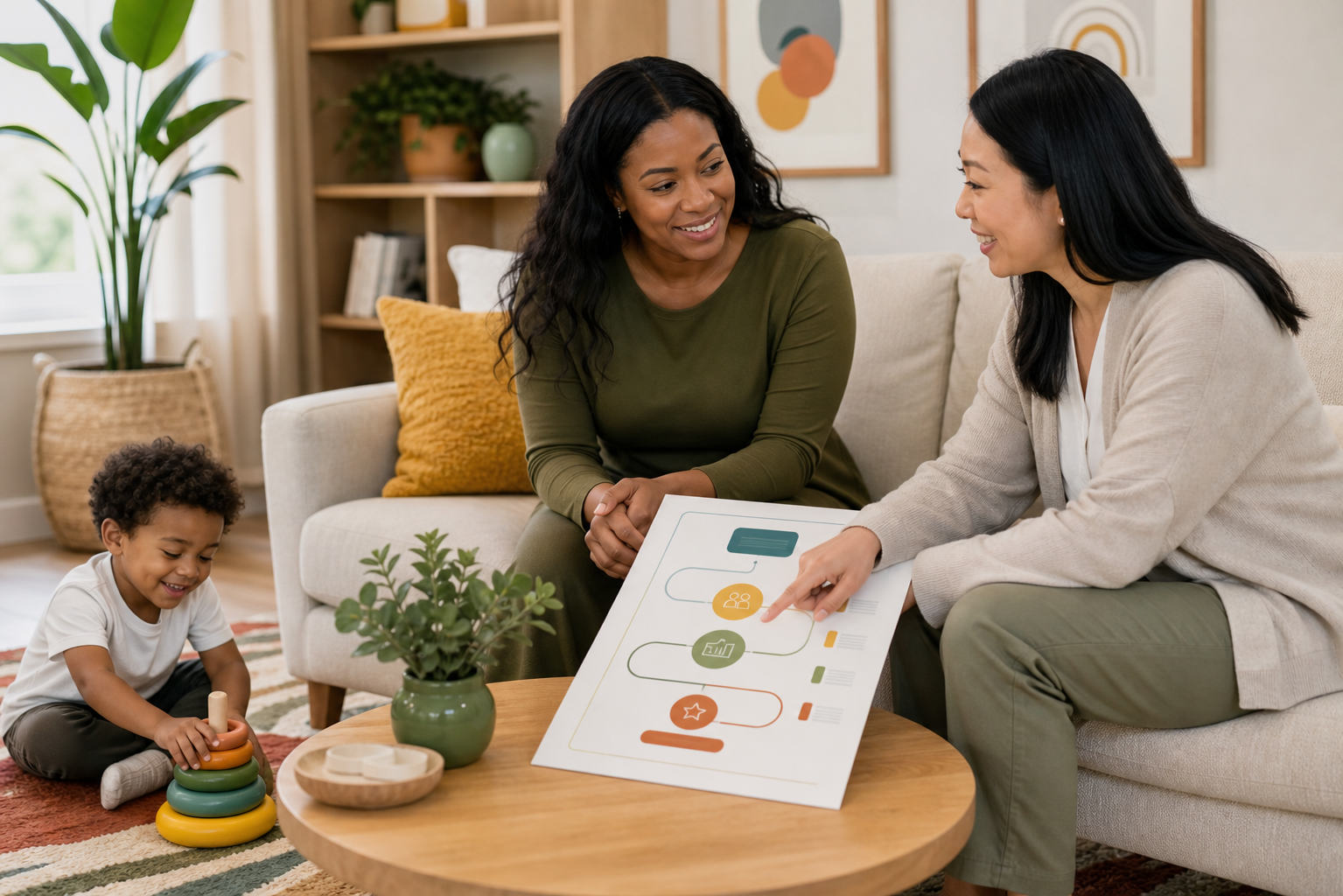
- Use visual schedules for both. This gives the neurotypical sibling insight into their sibling’s daily routine and fosters empathy.
- Share mealtimes and family meetings. Daily rituals like family dinners offer natural opportunities for conversation and bonding.
These shared moments help siblings feel like they’re on the same team, building memories side by side.
Foster Inclusive Play and Activities
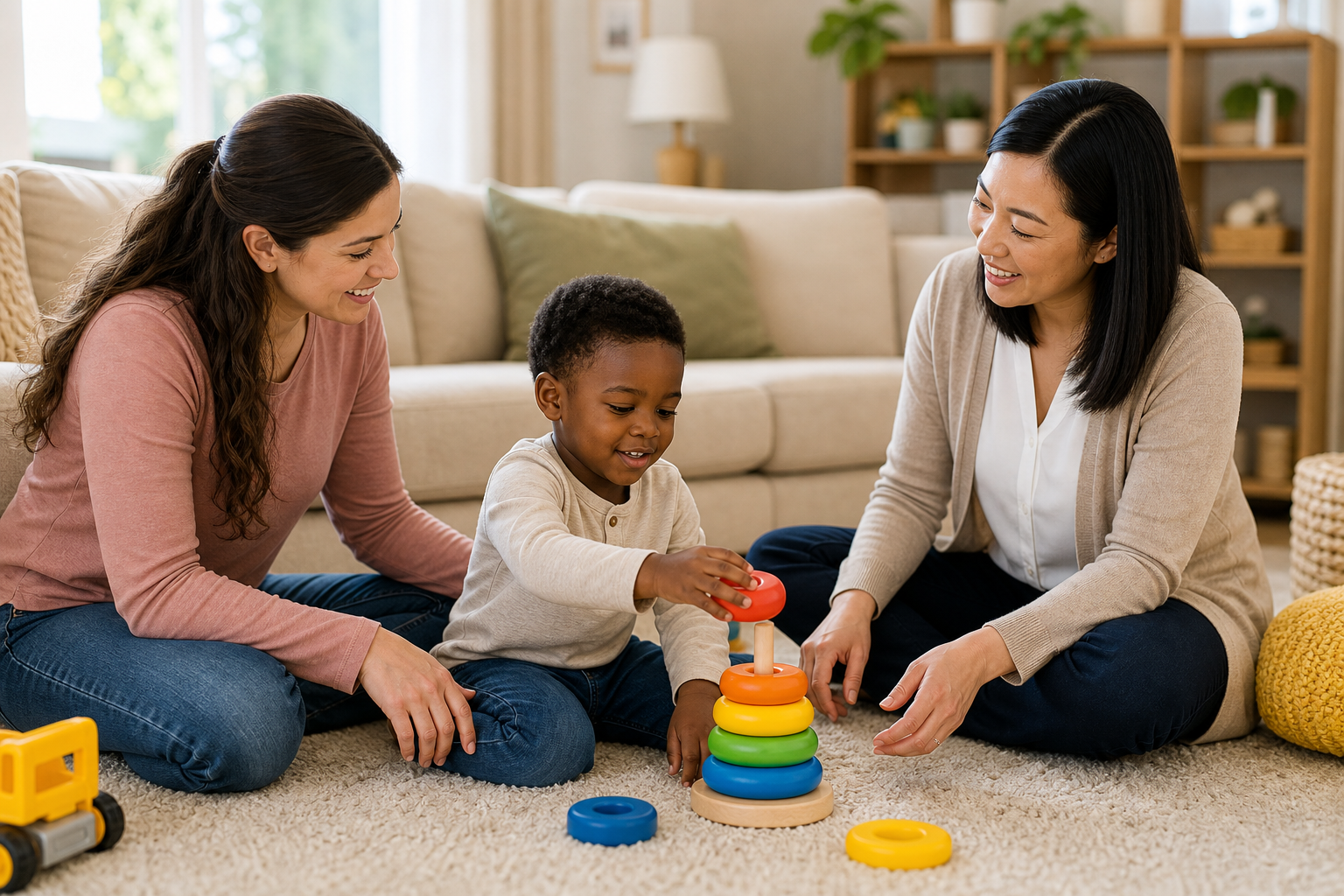
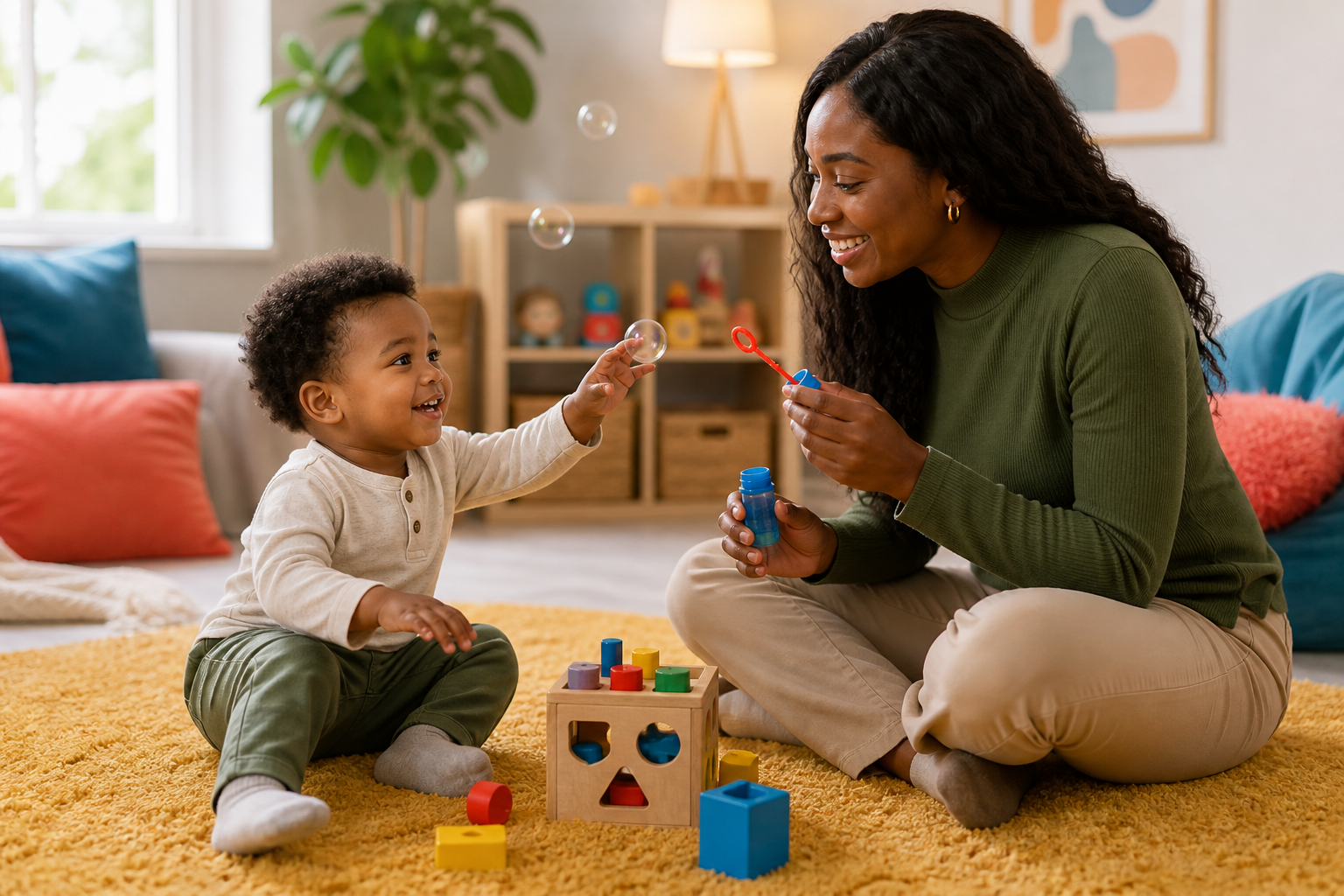
Children build strong relationships through shared experiences. Although abilities and interests may differ, there are countless ways to encourage inclusive play.
Here’s how:
- Choose cooperative games. Board games, puzzles, and building activities can bridge gaps between different developmental levels.
- Encourage teamwork. Assign roles in household chores or creative projects that let both children contribute.
- Explore mutual interests. Whether it’s music, animals, or trains, find topics both siblings enjoy and plan activities around them.
When playtime is inclusive, it not only strengthens sibling bonds but also reinforces social and emotional development—both key to autism sibling support.
Celebrate Each Child’s Strengths
It’s important to balance attention between all siblings. In homes where ABA therapy services are part of daily life, the neurotypical child might feel overlooked.
Ways to prevent this include:
- Highlight achievements. Whether it’s a school project or a new friendship, celebrate both children’s accomplishments.
- Offer individualized praise. Show appreciation for each child’s strengths—be it patience, creativity, humor, or leadership.
- Rotate one-on-one time. Schedule regular solo outings or quality time with each child to let them know they are equally valued.
This approach ensures that each child feels seen, loved, and empowered to grow confidently.
Teach Empathy Through Modeling
Siblings often mirror the attitudes and behaviors they observe in their parents. Demonstrating compassion, patience, and respect sets a tone the entire family can follow.
Here’s how parents can lead by example:
- Use respectful language. When discussing therapy or challenging moments, choose words that reflect dignity and acceptance.
- Manage stress openly. Show your children how to cope with frustration in healthy ways.
- Demonstrate problem-solving. Include both kids in age-appropriate discussions about challenges and solutions.
Modeling empathy not only benefits sibling relationships but also strengthens the overall emotional intelligence of both children.
Provide Educational Resources
Children often feel more empowered when they understand what their sibling is experiencing. Consider introducing them to:
- Books for kids about autism. These can explain differences in learning and behavior in relatable ways.
- Videos and stories. Some media outlets offer sibling-focused stories that promote understanding and acceptance.
- Workshops and groups. Look for local or online support groups focused on autism sibling support to help your child feel less alone.
These resources can open doors to conversation, growth, and acceptance.

Balance Family Time with Individual Attention
Spending quality time as a family is essential, but so is nurturing the individual identities of each child.
To do this:
- Plan inclusive family outings. Choose activities everyone can enjoy, like nature walks, movie nights, or simple picnics.
- Offer private space and time. Especially for the neurotypical sibling, having time to themselves or with friends is vital.
- Respect individual needs. Avoid placing undue caregiving responsibilities on one child.
Balanced attention ensures that each child has space to thrive while remaining deeply connected to their sibling.
Involve Siblings in Therapy in Positive Ways
While it’s important not to burden the neurotypical child with responsibilities, there are healthy, empowering ways to involve them in their sibling’s therapeutic journey.
For example:
- Invite them to observe short therapy sessions. This helps them understand what their sibling is working on and why.
- Encourage them to participate in fun learning games. Therapists may have suggestions for activities both children can enjoy together.
- Recognize their efforts. Let them know that their support plays a role in their sibling’s progress.
Families utilizing best in home ABA therapy in Greensboro NC often find that involving siblings in small ways strengthens relationships and promotes mutual understanding.
Validate and Support the Sibling Without Autism
Parents often feel stretched thin, and sometimes the child not receiving therapy may feel like they need to “be the easy one.” It’s important to check in regularly and validate their experiences.
Tips for offering meaningful support include:
- Create space for emotional check-ins. Ask how they’re feeling about home life, school, or their sibling relationship.
- Encourage expression through art, journaling, or play. These activities offer natural outlets for complex emotions.
- Consider sibling support groups. These programs are specifically designed for children with brothers or sisters receiving therapeutic services.
This form of autism sibling support ensures that both children receive the emotional attention they deserve.
Seek Professional Guidance When Needed
Sometimes, even the most loving and well-prepared families benefit from outside support. Consider speaking with professionals who understand the unique dynamics of families with children receiving ABA therapy services.
Helpful options include:
- Family counselors who specialize in developmental differences.
- Parent coaches who can help you implement sibling support strategies.
- Therapists who offer guidance on emotional regulation and coping for both children.
Your family doesn’t have to navigate this path alone. Help is available—and can make a lasting impact on how your children grow together.
Conclusion
Siblings with and without developmental differences can form deep, lasting bonds—filled with love, empathy, and resilience. With the right support system, they can thrive as individuals and as a unit. Prioritizing autism sibling support helps ensure that no child feels left behind, unseen, or overwhelmed.
Whether your family is utilizing in-home ABA therapy services in Greensboro NC or school-based therapy in Greensboro, the most important factor is the love and intention you bring to each moment. When siblings grow together, they not only accept each other—they inspire one another for life.
Tailored ABA therapy makes a difference. Perfect Pair ABA offers personalized, expert services for children with autism — supporting growth, confidence, and family success. Reach out today to begin.
FAQs
What is autism sibling support and why is it important?
Autism sibling support refers to strategies and resources that help siblings of children with autism build healthy relationships, develop empathy, and receive emotional guidance. It’s essential because it ensures both children grow in an environment of understanding, love, and mutual respect.
How can I balance attention between my child in ABA therapy and their sibling?
Create one-on-one time with each child regularly. Acknowledge both children’s needs and achievements equally. In families receiving in-home ABA therapy services in Greensboro NC, using visual schedules and designated bonding time helps maintain balance.
Can I include my neurotypical child in ABA therapy sessions?
Yes, including siblings in small portions of ABA therapy at home in Greensboro NC—such as cooperative games or communication exercises—can strengthen sibling bonds and foster understanding. Always consult your therapist to determine age-appropriate involvement.
What are some simple activities both siblings can do together?
Try activities like building blocks, drawing, board games, or nature walks. These inclusive experiences promote teamwork and fun while supporting developmental goals, especially when aligned with your child’s ABA therapy services plan.
How do I help my child without autism understand their sibling’s needs?
Use age-appropriate books, videos, and open discussions. Explain their sibling’s behavior in a positive, clear way. Many parents in Greensboro NC who use school-based therapy services find that consistent, calm conversations make a big difference.
My child feels left out due to their sibling’s therapy needs. What should I do?
Validate their feelings. Schedule quality time just for them. Also, consider local sibling support groups or family counseling options near Greensboro NC to provide extra emotional support.
How does school-based therapy in Greensboro affect sibling dynamics?
When one child attends school-based therapy in Greensboro, the home routine may be shaped around their schedule. To support healthy sibling dynamics, involve both children in shared routines and emphasize teamwork during after-school activities.
Are there local programs for sibling support in Greensboro NC?
Yes, many centers offering the best in home ABA therapy in Greensboro NC also provide sibling workshops, parent training, and community events. These programs can give siblings tools to better understand and connect with each other.