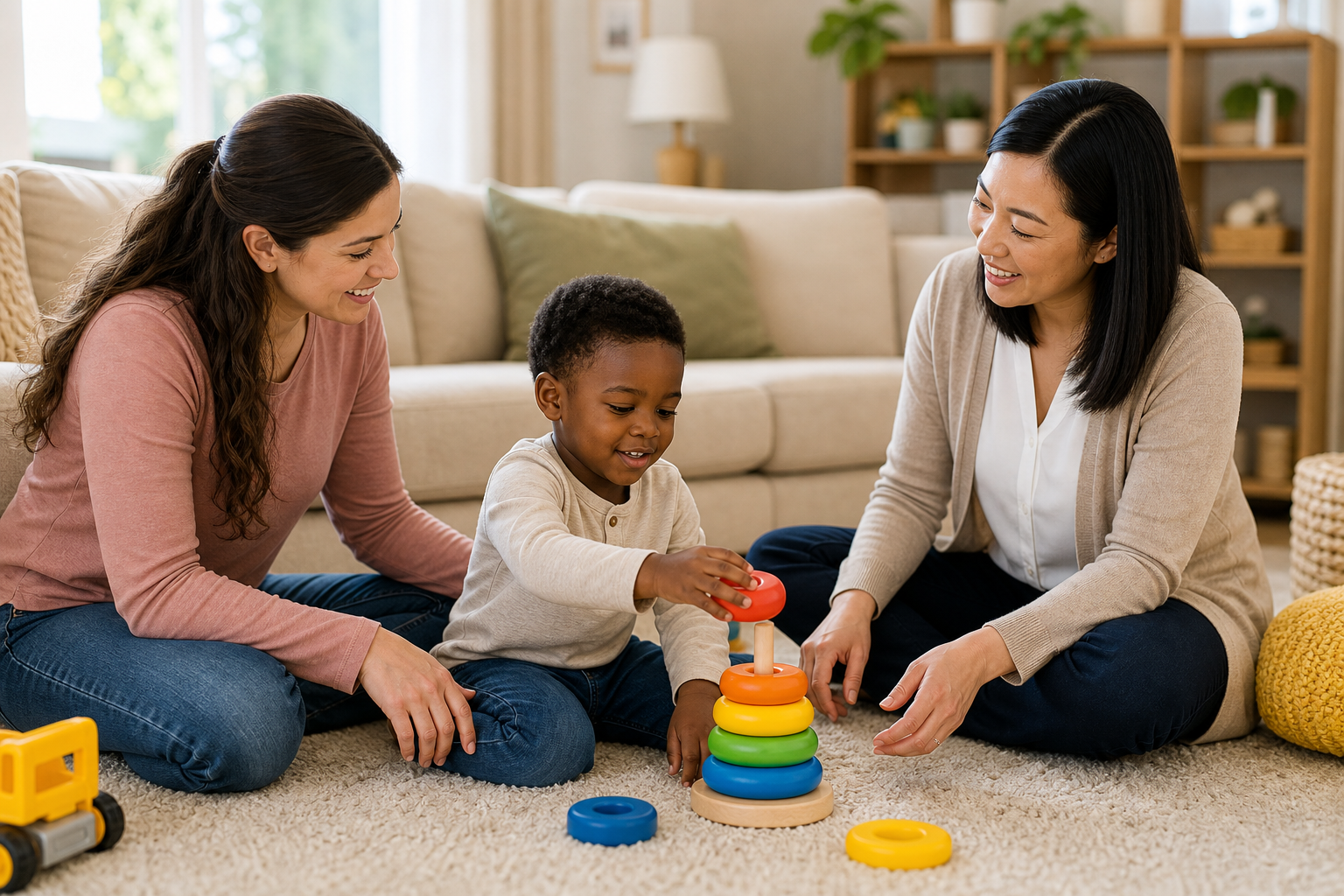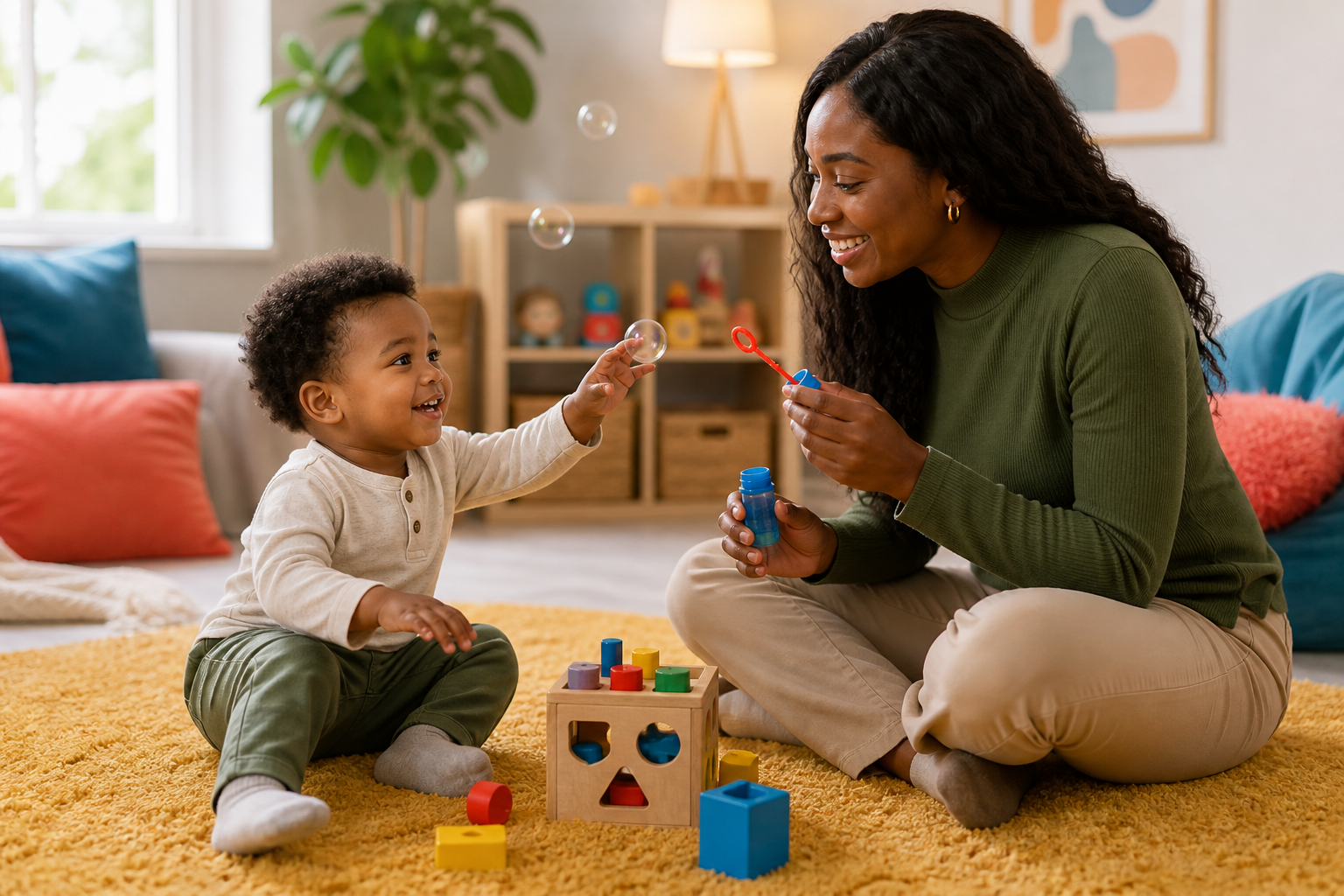



Preparing your child for in-home Applied Behavior Analysis (ABA) therapy is one of the most important steps you can take to ensure the success of their therapeutic journey. ABA therapy, particularly when delivered in a familiar home setting, can be profoundly effective in helping children with Autism Spectrum Disorder (ASD) develop essential skills. Families seeking the best in home ABA therapy North Carolina have a significant role to play in the preparation process. Creating a supportive, consistent, and engaging environment sets the foundation for meaningful progress.
This article explores how to prepare your child effectively for in-home ABA therapy sessions while also covering key elements that contribute to a smooth and productive experience.
Understanding In-Home ABA Therapy
Before preparing your child, it’s essential to understand what ABA therapy in home North Carolina looks like. ABA therapy is a science-based approach that helps children with autism and related disorders learn positive behaviors while reducing those that interfere with learning. In-home sessions provide the unique advantage of learning in a child’s most natural environment—their own home.
The therapist works directly with your child in structured and unstructured settings to develop skills such as communication, self-help, play, and social interactions. Unlike school based ABA therapy North Carolina, where therapy is integrated into academic settings, in-home therapy allows for a more personalized approach, tailored to the child’s daily routines and environment.
Benefits of In-Home ABA Therapy
Choosing home based ABA therapy North Carolina offers several benefits:
- Familiar Environment: Children tend to feel more comfortable and less anxious in their own homes.
- Family Involvement: Parents and caregivers can participate actively in the therapy process.
- Real-Life Context: Skills are taught and reinforced within the daily routines and challenges your child experiences at home.
- Flexibility: Scheduling sessions is typically more convenient and less disruptive to family life.
For many families, opting for the best in home ABA therapy North Carolina leads to stronger engagement and better outcomes.
Step-by-Step Guide: Preparing Your Child for ABA Therapy at Home
1. Talk About ABA Therapy in Simple Terms
One of the best ways to help your child feel comfortable is by explaining ABA therapy in a way they understand. Use age-appropriate language and focus on the positive aspects. For example:
“A new friend is coming to play and help you learn fun things like talking, sharing, and playing games!”
Avoid using terms that may feel clinical or overwhelming. If your child is verbal, ask them how they feel about having someone new in the house. Address concerns gently and reassuringly.
2. Create a Designated Therapy Space
Even though therapy happens at home, having a designated area can help your child associate a specific environment with learning. This space should be:
- Quiet and free of distractions
- Equipped with materials recommended by the therapist
- Comfortable yet structured
Involving your child in setting up the therapy space can also help them take ownership and feel involved in the process.
3. Establish a Consistent Routine
Children with ASD thrive on routine and predictability. Work with your therapist to create a consistent daily or weekly schedule for sessions. Display the schedule using visual aids like calendars or picture charts to help your child understand when therapy will take place.
This practice reinforces predictability, reducing anxiety or resistance to change. Whether it’s aba therapy at home North Carolina or school based ABA therapy services North Carolina, consistency is key to a successful experience.
4. Build a Positive Association
Before therapy begins, try creating positive associations with the therapist. You can:
- Look at photos of the therapist with your child
- Watch short video introductions if provided
- Refer to the therapist using a friendly nickname
- Tell stories or use role-playing games involving “helpers” or “teachers”
The goal is to reduce the fear of the unknown and foster excitement about working with someone new.
5. Communicate with the Therapist Regularly
Open communication between parents and therapists helps build trust and keeps everyone aligned. Share your child’s interests, sensitivities, and triggers. Also, discuss what strategies work well in calming or motivating your child.
When working with the best in home ABA therapy North Carolina providers, collaboration is a crucial component. They can tailor sessions based on your input, ensuring a more effective and comfortable experience for your child.
6. Gradually Introduce New Materials or Toys
Therapists may bring new toys, flashcards, or learning tools to the sessions. To avoid overwhelming your child, gradually introduce these items in the days leading up to the session. Let your child explore and become familiar with the tools without pressure.
This approach promotes curiosity and reduces fear associated with new stimuli, making it easier for the therapist to engage your child in activities.
7. Set Realistic Expectations

ABA therapy is a process, not an overnight fix. Discuss with your therapist the goals for your child and how progress will be tracked. Celebrate small wins along the way to reinforce positivity.
Understanding that the road to improvement may have ups and downs helps you stay focused and patient. Whether your child is receiving home based ABA therapy North Carolina or school based ABA therapy services North Carolina, setting realistic expectations will help you support your child more effectively.
8. Encourage Generalization
One of the core objectives of ABA therapy is to help children apply what they learn in one setting to other environments. As a parent, you can reinforce this by practicing skills with your child outside therapy hours.
For example:
- If your child learned to request a toy during therapy, encourage them to use that skill at the park.
- If they practiced turn-taking, model it during a family game night.
The more consistent the reinforcement, the faster your child will generalize the learned behaviors.
9. Prepare Siblings and Family Members
In-home sessions can sometimes feel intrusive to other household members. Prepare siblings by explaining what ABA therapy is and how they can support their brother or sister. Encourage them to:
- Respect the therapy space
- Avoid distractions during sessions
- Participate if invited by the therapist
When the whole family is involved, the child feels supported and the therapy becomes a collaborative effort.
10. Stay Positive and Encouraging
Your attitude and reactions play a significant role in your child’s therapy success. Celebrate achievements, no matter how small. Use encouraging language and be mindful of non-verbal cues like facial expressions or tone.
Children with autism are often highly perceptive and may pick up on frustration or stress. Staying calm and supportive, especially during challenging moments, helps maintain a safe and nurturing environment.
Final Thoughts
Preparing your child for aba therapy in home North Carolina doesn’t need to be stressful. With thoughtful planning, consistent routines, and a strong parent-therapist partnership, your child can thrive in the comfort of their home. Choosing the best in home ABA therapy North Carolina means choosing a provider that values family involvement, individualized care, and compassionate delivery.
Whether you are supplementing your child’s school based ABA therapy North Carolina program or opting exclusively for home based ABA therapy North Carolina, your preparation efforts can make all the difference. Remember, your involvement isn’t just helpful—it’s essential to your child’s growth and development.
At Perfect Pair ABA, we deliver therapy that strengthens families and promotes lasting achievements.
FAQs
What is in-home ABA therapy, and how is it different from clinic-based therapy?
In-home ABA therapy takes place in your child’s natural environment—your home—where they are most comfortable and familiar. This approach allows therapists to work on behaviors and skills that are relevant to your child’s everyday routines. Unlike clinic-based therapy, which happens in a structured external setting, in-home sessions are customized to the household and daily interactions. Many families prefer the best in home ABA therapy North Carolina for this personalized experience.
How can I tell if my child is ready for ABA therapy at home?
Most children are ready for ABA therapy when there are noticeable developmental delays or behavioral concerns, especially those associated with Autism Spectrum Disorder. If your child responds well to routine, is able to follow simple instructions, or benefits from one-on-one attention, they can likely begin aba therapy in home North Carolina. Your ABA provider will assess your child’s readiness through an initial consultation.
What should I do to prepare my home for therapy sessions?
Start by creating a quiet, clutter-free space where sessions can take place with minimal distractions. Equip the area with learning tools, a small table and chair, and any materials your therapist recommends. Choosing a consistent location helps your child associate that area with therapy time. Many home based ABA therapy North Carolina providers will guide you through setting up the ideal space.
How often should ABA therapy sessions happen at home?
The frequency depends on your child’s individual needs and therapy goals. Some children may benefit from daily sessions, while others may need a few hours a week. When working with the best in home ABA therapy North Carolina providers, they’ll develop a personalized treatment plan that balances intensity with your family’s schedule.
Can siblings or other family members be present during sessions?
While it’s generally best to limit distractions, siblings can sometimes be involved—especially when teaching social or play skills. If included appropriately, their presence can promote generalization of skills. Your therapist will guide you on when and how family members can participate effectively in aba therapy at home North Carolina.
How do I explain ABA therapy to my child in a way they understand?
Use simple, positive language such as “a helper is coming to play games and teach you new things.” Avoid overwhelming or clinical terms. Reinforce the idea that therapy is fun and that the therapist is there to help. When preparing for home based ABA therapy North Carolina, easing your child into the concept with calm and cheerful explanations is key.