


In-home ABA therapy in Fayetteville, North Carolina is becoming an important support service for families raising children with autism and developmental challenges. Many parents in Fayetteville and surrounding communities are searching for therapy options that are effective, flexible, and comfortable for their child. In-home Applied Behavior Analysis (ABA) therapy provides exactly that by delivering professional behavioral therapy directly in the child’s home environment.
Perfect Pair ABA provides in-home ABA therapy services in Fayetteville, helping families access high-quality autism therapy services without the stress of traveling to a clinic. Through personalized therapy plans and professional clinical guidance, children receive structured behavioral support tailored to their unique needs.
Understanding In-Home ABA Therapy
What Is Applied Behavior Analysis (ABA)?
Applied Behavior Analysis, commonly known as ABA, is a scientific approach to understanding and improving behavior. ABA therapy focuses on how behaviors work, how they are influenced by the environment, and how learning takes place.
Therapists use structured techniques to encourage positive behaviors while reducing behaviors that may interfere with learning or daily activities.
ABA therapy helps children develop skills such as:
- Communication and language
- Social interaction
- Emotional regulation
- Daily living skills
- Play and learning behaviors
- Independence
These improvements can make a significant difference in a child’s ability to interact with others, participate in school, and function confidently in everyday life.
ABA therapy has been used for decades and is supported by extensive research as an effective treatment approach for children with autism spectrum disorder.
What Is In-Home ABA Therapy?
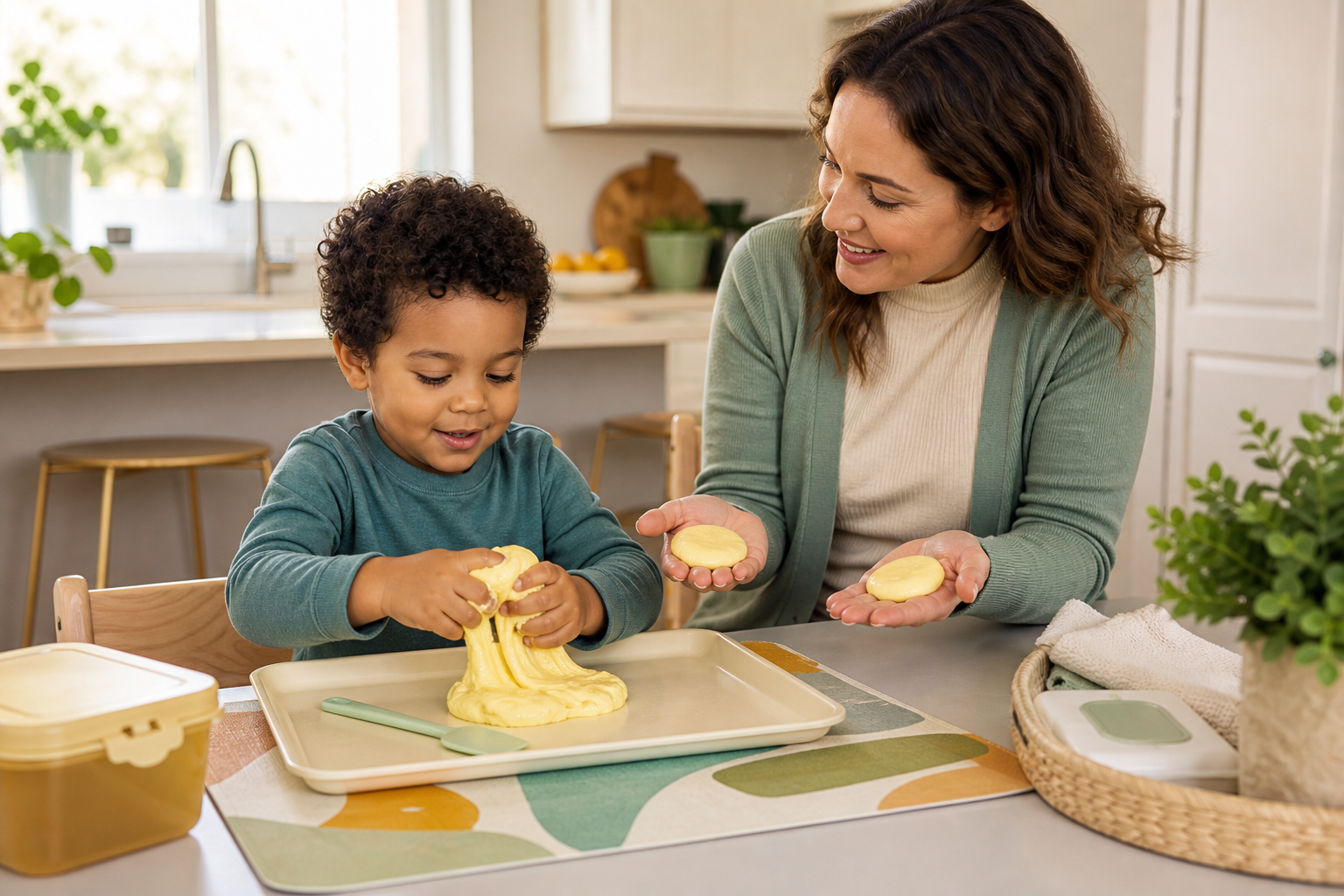
In-home ABA therapy across Fayetteville NC means that trained therapists work with children directly in their home environment rather than in a clinic or therapy center.
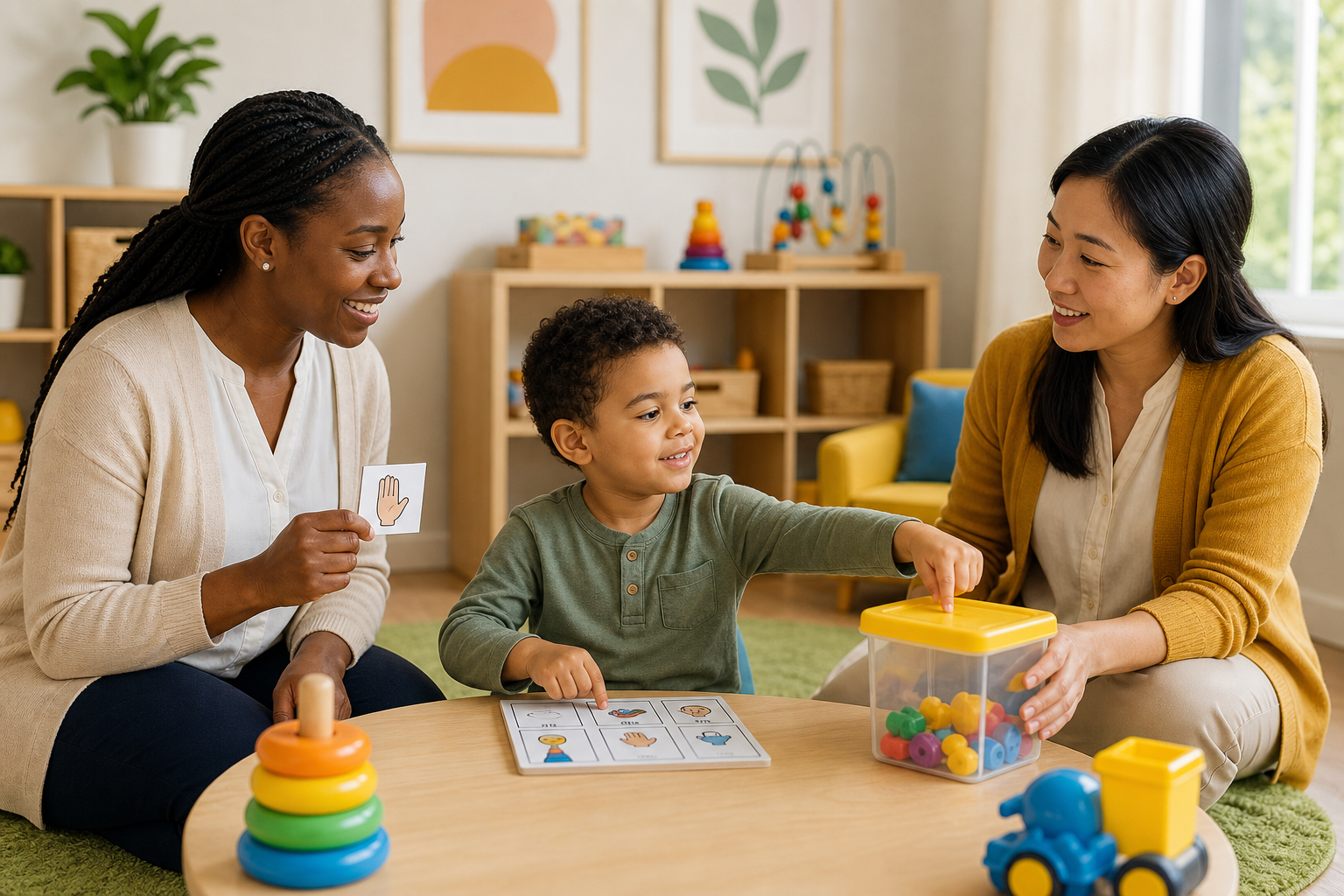
During in-home sessions, therapists use structured ABA techniques to teach skills and guide behavior while interacting with the child in their everyday surroundings.
Instead of practicing skills in a clinical setting, children learn in places such as:
- Living rooms
- Kitchens
- Bedrooms
- Backyards
- Family play areas
This allows therapists to teach practical skills that apply to daily routines and family life.
For example, a therapist may help a child practice:
- Asking for help during mealtime
- Following instructions from parents
- Playing appropriately with siblings
- Transitioning between activities
- Managing frustration during daily routines
Learning these skills at home helps children apply what they learn immediately.
Why Families in Fayetteville NC Choose In-Home ABA Therapy
Familiar Environments Support Better Learning

Children often feel more comfortable and relaxed in their own homes. For children with autism, unfamiliar environments can sometimes create anxiety or sensory challenges.
Receiving therapy at home allows children to learn in a place where they already feel safe.
This familiarity helps therapists:
- Understand the child’s daily routines
- Observe natural behaviors
- Teach skills that are directly connected to real-life situations
Because of this, many families in Fayetteville prefer in-home ABA therapy over clinic-based therapy.
Convenient for Families
Traveling to therapy appointments can be difficult for many families, especially when therapy sessions occur multiple times per week.
In-home therapy eliminates the need for daily transportation.
This provides several benefits:
- Less stress for parents
- No long commutes to therapy centers
- Flexible scheduling options
- More time spent focusing on the child’s progress
Families across Fayetteville NC appreciate the convenience of receiving therapy services directly at home.
The In-Home ABA Therapy Process
Step 1: Initial Assessment
The first step in ABA therapy usually involves a detailed assessment conducted by a Board Certified Behavior Analyst (BCBA).
The BCBA evaluates several aspects of the child’s development, including:
- Communication abilities
- Social interaction
- Behavior patterns
- Learning strengths
- Daily living skills
The assessment helps the clinical team understand the child’s needs and create an individualized therapy plan.
Step 2: Personalized Therapy Plan
After the assessment, the BCBA develops a personalized ABA therapy plan tailored specifically to the child.
This plan outlines:
- Target skills to develop
- Behavior goals
- Learning strategies
- Therapy schedule
- Data tracking methods
Each plan is unique because every child’s needs are different.
Step 3: Therapy Sessions With Trained Therapists
Once the plan is created, trained therapists begin working with the child during scheduled in-home sessions.
Therapists use various ABA teaching methods, including:
- Positive reinforcement
- Structured teaching activities
- Natural environment teaching
- Task analysis
- Modeling and prompting
These techniques help children gradually learn new behaviors and skills.
Step 4: Ongoing Progress Monitoring
ABA therapy is highly data-driven.
Therapists carefully track the child’s progress during each session.
This information allows the BCBA to:
- Adjust therapy goals
- Modify teaching strategies
- Ensure the child continues making progress
Regular progress reviews help ensure therapy remains effective and responsive to the child’s needs.
Key Benefits of In-Home ABA Therapy Across Fayetteville NC
Individualized Attention
In-home therapy allows therapists to focus entirely on one child during each session.
This level of individualized attention allows therapists to tailor teaching methods and activities based on the child’s unique learning style.
Improved Communication Skills
Communication challenges are common for many children with autism.
ABA therapy Services helps children develop skills such as:
- Expressing needs and wants
- Using words or alternative communication methods
- Understanding instructions
- Responding to social cues
Improved communication can greatly reduce frustration and strengthen relationships between children and their families.
Skills Children Can Learn Through In-Home ABA Therapy
ABA therapy addresses a wide range of developmental areas.
Some of the skills children may develop include:
Communication Skills
Children learn how to express their needs, respond to others, and participate in conversations.
Social Skills
Therapy can help children learn appropriate social behaviors such as sharing, taking turns, and recognizing emotions.
Behavioral Regulation
Children learn strategies for managing frustration, adapting to change, and responding appropriately to challenges.
Learning and Academic Readiness
ABA therapy helps children build attention, listening, and problem-solving skills that support success in school.
Daily Living Skills
Therapists also teach essential life skills that promote independence and confidence.
Supporting Families Across Fayetteville NC
Perfect Pair ABA provides in-home ABA therapy service across Fayetteville North Carolina with a focus on personalized care and family collaboration.
Their therapy approach focuses on:
- Individualized therapy plans
- Evidence-based ABA techniques
- Family involvement
- Consistent clinical supervision
- Compassionate support
Families across Fayetteville rely on professional ABA services to help their children build essential skills that improve daily life.
What Parents Can Expect From In-Home ABA Therapy
Parents often wonder what therapy sessions will look like when they take place at home.
A typical session may include:
- Structured learning activities
- Play-based skill development
- Communication exercises
- Social interaction practice
- Behavior guidance strategies
Therapists adapt sessions based on the child’s energy level, interests, and learning style.
Because therapy happens in familiar surroundings, children often feel more comfortable participating in activities.
Choosing the Right ABA Therapy Provider in Fayetteville NC
When searching for in-home ABA therapy across Fayetteville NC, families should consider several important factors.
Qualified Clinical Supervision
ABA programs should be supervised by licensed professionals such as Board Certified Behavior Analysts (BCBAs).
Individualized Treatment Plans
Every child should receive a customized therapy plan based on their unique needs.
Family Collaboration
Strong communication between therapists and families helps ensure therapy success.
Flexible Scheduling
In-home therapy providers should offer schedules that work for the family’s routine.
Choosing the right provider can make a meaningful difference in a child’s developmental progress.
How Perfect Pair ABA Supports Children in Fayetteville NC
Perfect Pair ABA focuses on delivering compassionate and effective therapy services for children with autism.
Their approach emphasizes:
- Personalized therapy programs
- Evidence-based ABA methods
- Supportive therapist relationships
- Family education and collaboration
- Ongoing progress monitoring
By providing ABA therapy in fayetteville, Perfect Pair ABA helps families access consistent therapy services without the challenges of traveling to clinics.
The Importance of Early Intervention
Research shows that early intervention can significantly improve developmental outcomes for children with autism.
Starting ABA therapy at a young age can help children build important skills during key developmental stages.
Early therapy may support improvements in:
- Language development
- Social interaction
- Behavioral regulation
- Learning abilities
However, children of many ages can benefit from ABA therapy.
The earlier support begins, the more opportunities children have to develop important life skills.
Conclusion:
In-home ABA therapy across Fayetteville NC offers families an effective and flexible way to access professional autism therapy services.
By delivering therapy directly in the child’s home environment, therapists can focus on real-life skills that support communication, behavior, independence, and social development.
This approach allows children to learn in familiar surroundings while giving families the opportunity to participate actively in the therapy process.
Perfect Pair ABA works with families across Fayetteville North Carolina to provide compassionate, evidence-based therapy services tailored to each child’s needs.
FAQs
What is In-Home ABA Therapy in Fayetteville NC?
In-home ABA therapy provides professional Applied Behavior Analysis services directly in a child’s home. This approach allows children to learn essential communication, social, and daily living skills in the environment where they live and play. By learning in familiar surroundings, children can apply new skills immediately to their daily routines, making therapy more effective and meaningful.
How Does ABA Therapy Help Children with Autism?
ABA therapy is an evidence-based approach that focuses on teaching positive behaviors while reducing those that interfere with learning. It helps children with autism improve communication, social interaction, emotional regulation, and independence. Therapists use structured techniques, such as positive reinforcement and modeling, to guide children in acquiring skills that support their success at home, school, and in social settings.
What Are the Benefits of In-Home ABA Therapy for Families?
In-home ABA therapy offers children the comfort of learning in a familiar environment, reducing anxiety and sensory challenges. Families benefit from flexible scheduling, no need for long commutes, and more time to focus on their child’s development. Parents can actively participate in sessions, learning strategies to reinforce skills and support their child’s progress outside of therapy.
How Does the In-Home ABA Therapy Process Work?
The process starts with a detailed assessment conducted by a Board Certified Behavior Analyst (BCBA) to understand the child’s strengths, needs, and learning goals. A personalized therapy plan is then created, followed by structured in-home sessions with trained therapists. Progress is monitored continuously, and the therapy plan is adjusted as needed to ensure children make meaningful improvements in their skills and behaviors.
How Can Parents Support ABA Therapy at Home?
Parents play a crucial role in helping children generalize the skills they learn in therapy to everyday life. They are guided by therapists on how to reinforce positive behaviors, practice communication and social skills, and support daily routines. By collaborating with therapists and applying strategies consistently at home, parents ensure that children continue learning and growing beyond scheduled sessions.