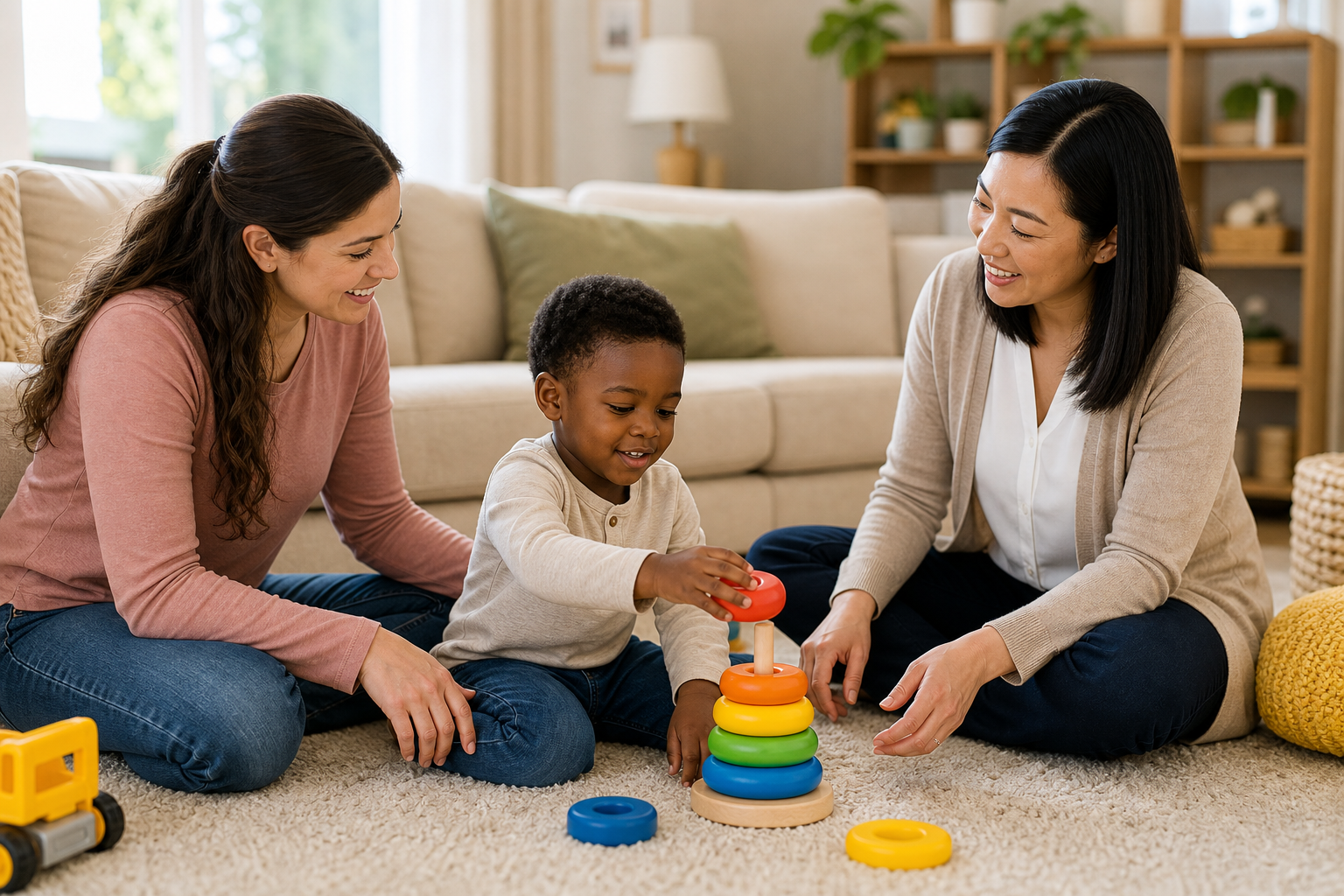



Respect and empathy are essential skills that help children build positive relationships and participate successfully in school, home, and community environments. These abilities influence how children respond to peers, communicate needs, handle conflict, and understand others’ perspectives. While these skills develop gradually, structured behavioral intervention plays a critical role in guiding progress.
One evidence-based approach used to support these goals is ABA Techniques, delivered by trained clinicians who design and implement individualized programs. Rather than relying on informal instruction, ABA professionals systematically teach social and emotional skills using structured intervention methods.
Many families access clinician-led programs such as in home aba therapy services newport news va, where licensed providers deliver therapy directly within the child’s home environment. These services allow professionals to guide social and emotional skill development in settings where children naturally interact with family members and peers.
This article explores how clinician-directed ABA Techniques support the development of respect and empathy while maintaining professional oversight across treatment environments.
Why Respect and Empathy Matter in Child Development
Respect involves recognizing others’ needs, boundaries, and feelings, while empathy involves understanding emotional experiences from another person’s perspective. These skills influence how children form friendships, cooperate in group activities, and resolve conflicts.
Children who struggle with emotional understanding may experience difficulty navigating peer interactions or classroom expectations. Clinician-led behavioral intervention helps address these challenges by systematically teaching social responses and emotional awareness.
Using ABA Techniques, professionals identify specific social goals and design targeted treatment plans to support growth. Therapy focuses on observable behaviors that demonstrate respectful interaction and empathetic responses, ensuring progress remains measurable and individualized.
Because emotional and social skills influence academic and community participation, intervention targeting these areas contributes to long-term success across environments.
Modeling Appropriate Social Behavior in Therapy Sessions
Modeling is one of the ways clinicians introduce respectful and empathetic behaviors during therapy sessions. In structured interactions, professionals demonstrate appropriate communication, listening behaviors, and emotional responses.
When children observe clinicians consistently modeling respectful interaction, therapists can guide children to respond in similar ways. Reinforcement occurs during supervised sessions when appropriate behaviors emerge, strengthening desired responses.
Programs connected with home based aba therapy near me often include clinician-guided modeling within natural routines so children can observe and practice social behaviors in realistic contexts. Throughout this process, therapists remain responsible for directing intervention and adjusting strategies as needed.
Modeling within therapy ensures children repeatedly encounter examples of respectful communication under professional supervision.
Role-Playing and Scenario-Based Learning
Role-playing activities and structured social scenarios are frequently incorporated into clinician-led sessions to support perspective-taking and emotional understanding. Therapists create guided scenarios that allow children to respond to common social challenges while receiving immediate support.
For example, clinicians may simulate situations involving sharing materials, apologizing after mistakes, or responding to peer disappointment. Using ABA Techniques, therapists prompt appropriate responses and reinforce successful attempts.
Repeated exposure to structured scenarios helps children recognize emotional cues and practice respectful interactions. Over time, these guided exercises contribute to improved responses during naturally occurring social situations.
Importantly, these activities remain therapist-directed, ensuring that intervention remains part of professional treatment rather than informal instruction.
Reinforcement of Positive Social Behavior
Reinforcement is a foundational component of ABA Techniques. Clinicians identify positive behaviors such as sharing, helping peers, or responding calmly during interactions and provide reinforcement within sessions.
Reinforcement may involve verbal praise, access to preferred activities, or token systems based on individualized treatment plans. Because therapists determine reinforcement strategies, they ensure rewards remain effective and aligned with therapeutic goals.

Services such as in home aba therapy services newport news va allow clinicians to deliver reinforcement strategies in environments where children naturally interact, strengthening skill development while maintaining treatment oversight.
Through consistent clinician-led reinforcement, respectful and empathetic behaviors become more likely to occur over time.
Teaching Emotional Recognition and Understanding
Empathy relies heavily on recognizing emotions in others. ABA Techniques allow clinicians to break emotional recognition into teachable components.
Therapists guide children in identifying facial expressions, tone of voice, and contextual cues associated with emotions. Sessions may involve emotion identification exercises, picture cards, or guided observation activities.
Gradually, children learn to associate emotional cues with appropriate social responses. Clinicians track progress and adjust intervention strategies to match each child’s development level.
By delivering emotional recognition training within therapy sessions, professionals help children build foundational empathy skills necessary for positive social engagement.
Structured Opportunities for Social Skill Practice
Children benefit from repeated opportunities to practice social skills within structured therapy sessions. Clinicians plan sessions that incorporate guided peer interaction, cooperative tasks, and group activities aligned with treatment goals.
During these sessions, therapists prompt appropriate responses, support emotional regulation, and reinforce respectful interactions. Structured opportunities allow children to apply learned behaviors while receiving real-time clinical guidance.
Programs associated with home based aba therapy near me often incorporate these structured interactions within familiar settings, helping children practice skills where social exchanges commonly occur.
By ensuring practice remains supervised, therapists maintain treatment consistency and reduce reliance on unsupervised skill use.
Visual Supports and Prompting Within Therapy
Visual supports and prompting strategies are frequently used in ABA Techniques to help children recall appropriate behaviors. Clinicians may use cue cards, emotion charts, or visual schedules to support understanding during sessions.
Prompting techniques help guide responses when children encounter difficulty. Therapists carefully fade prompts over time as children demonstrate increased independence.
These tools allow clinicians to shape behavior gradually while ensuring expectations remain clear. Because therapists determine when prompts are introduced or removed, intervention remains clinically guided.
Visual supports used within professional sessions enhance learning while maintaining structured oversight.
Guided Reflection During Therapy Sessions
Reflection activities are sometimes incorporated into clinician-led sessions to help children understand how actions affect others. Therapists guide discussions that connect behavior with emotional outcomes.
Through structured conversation, clinicians help children recognize how respectful or disrespectful behaviors influence social interactions. Reflection activities remain guided and purposeful rather than informal questioning.
By embedding reflection within therapy sessions, clinicians ensure emotional understanding develops alongside behavioral goals.
Skill Development Across Environments Through Professional Coordination
A central objective of ABA Techniques is ensuring skills appear consistently across different environments. Professional coordination allows treatment teams to deliver services in multiple settings while maintaining clinician control over intervention.
Programs such as in home aba therapy services newport news va enable therapists to provide intervention where children naturally live and interact. When services extend to school or community settings, professionals coordinate goals to ensure consistency.
Importantly, skill generalization occurs through clinician-directed sessions rather than relying on independent carryover. This approach ensures treatment remains measurable and supervised.
Monitoring Progress Through Data Collection
Data collection plays a central role in ABA Techniques. Clinicians track behaviors, skill acquisition, and response patterns to evaluate intervention effectiveness.
Treatment teams regularly review data to determine whether goals are being met or whether modifications are needed. Adjustments are based on measurable outcomes rather than assumptions.
Programs connected to home based aba therapy near me often allow clinicians to gather data across environments, improving treatment precision while maintaining oversight.
Continuous monitoring ensures intervention remains responsive to each child’s evolving needs.
Professional Collaboration Supporting Social Development
Although families and educators remain important partners, responsibility for treatment delivery remains with clinicians. Therapists communicate progress updates, discuss goals, and coordinate schedules to ensure children receive consistent intervention.
Collaboration focuses on alignment and understanding rather than transferring therapy responsibilities. Professionals remain accountable for implementing ABA Techniques and adjusting treatment strategies.
This structure protects treatment quality while allowing caregivers and educators to remain informed about progress.
Integrating Play and Cooperative Activities Into Therapy
Play-based activities are often incorporated into clinician-led sessions to support engagement while targeting social goals. Therapists structure cooperative games or activities to address turn-taking, sharing, and collaborative problem-solving.
During play, clinicians observe interactions, prompt appropriate behaviors, and reinforce respectful responses. Structured play sessions allow children to develop empathy and cooperation within enjoyable contexts while maintaining therapeutic guidance.
Because activities are therapist-directed, intervention remains clinically supervised rather than informal practice.
Teaching Respectful Self-Advocacy
Respect and empathy include recognizing both personal needs and those of others. ABA Techniques support children in expressing preferences and needs respectfully while maintaining consideration for peers.
Clinicians guide children in communicating boundaries or requesting assistance appropriately during sessions. Reinforcement encourages respectful communication patterns.
Through structured intervention, children learn that self-advocacy and empathy can coexist, contributing to balanced social development.
Long-Term Impact of Respect and Empathy Development
Children who develop respectful and empathetic behaviors often experience improved peer relationships and greater participation in group environments. Clinician-led intervention helps establish these skills early, supporting long-term success.
Programs combining clinic services with in home aba therapy services newport news va allow professionals to address social goals consistently across treatment environments. As progress occurs, children demonstrate increased confidence and improved social interaction.
The structured nature of ABA Techniques ensures skill development remains intentional, measurable, and professionally guided.
Conclusion
Respect and empathy are essential skills that support successful social interaction and emotional development. Clinician-led ABA Techniques provide structured methods for teaching these abilities through modeling, guided scenarios, reinforcement, emotional recognition training, and supervised practice opportunities.
Services such as in home aba therapy services newport news va and programs connected to home based aba therapy near me allow professionals to deliver therapy within natural environments while maintaining treatment oversight.
Through consistent clinician-directed intervention, children develop respectful and empathetic behaviors that support participation across home, school, and community settings.
Perfect Pair ABA provides ABA therapy services that support families and enable lifelong success.
FAQs
What are ABA Techniques and how do they support respect and empathy development?
ABA Techniques are clinician-led behavioral methods that teach social and emotional skills through structured intervention, reinforcement, and measurable progress tracking.
Can ABA Techniques help children understand emotions?
Yes. Clinicians use structured teaching methods to help children recognize emotions and respond appropriately during social interactions.
Are ABA Techniques appropriate for different age groups?
ABA Techniques can be adapted by professionals for children of various ages and developmental levels, ensuring intervention remains individualized.
How do role-playing activities help children?
Clinicians use role-playing scenarios to guide children through social challenges while reinforcing respectful responses during therapy sessions.
How is progress measured during ABA therapy?
Clinicians collect and analyze behavioral data regularly, allowing treatment plans to be adjusted based on measurable progress.