


As parents, one of the most exciting parts of raising toddlers is watching them explore the world through play. But as any parent knows, not all toys are created equal. Choosing toys that not only entertain but also help your toddler learn essential skills can be challenging. That’s where ABA therapy toys come in. At Perfect Pair ABA in North Carolina, we specialize in guiding families to use these toys effectively to support early learning and skill development.
ABA therapy toys are carefully chosen to promote growth in communication, motor skills, problem-solving, and daily life skills. Unlike regular toys, these are designed to help toddlers learn while having fun, making playtime a valuable part of their development.
Why ABA Therapy Toys Are Important for Toddlers
Early childhood is a critical period for learning. During this time, toddlers are developing foundational skills that will support their growth for years to come. ABA therapy toys are especially beneficial because they are designed to encourage specific skills through structured play. Some key benefits include:
- Cognitive Development: Toys that require sorting, matching, or stacking help toddlers recognize shapes, colors, and patterns.
- Communication Skills: Toys that involve interaction, such as calling out instructions or making choices, encourage toddlers to respond and communicate.
- Motor Skills: Fine motor skills are strengthened when toddlers manipulate toys, stack blocks, or fit shapes into slots.
- Problem-Solving: Many ABA therapy toys challenge toddlers to think, make decisions, and learn from trial and error.
At Perfect Pair ABA, we ensure that every toy we recommend addresses these areas while keeping play fun and engaging.
Types of Therapist-Recommended ABA Therapy Toys
Selecting the right toys can be overwhelming. Here’s a guide to some of the most effective ABA therapy toys for toddlers:
1. Stacking and Sorting Toys
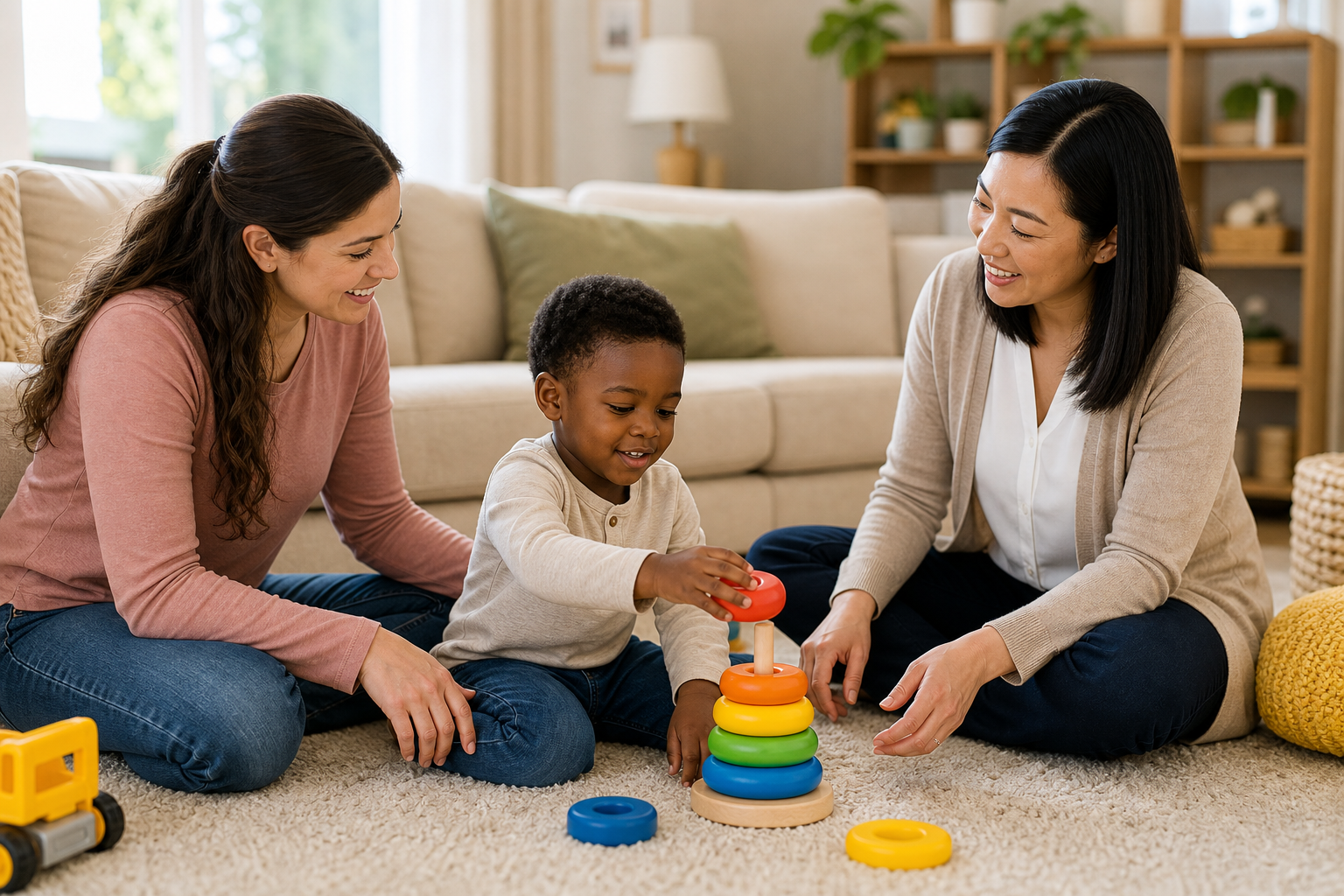
Stacking blocks, shape sorters, and nesting cups are simple yet powerful tools for learning. These toys help toddlers improve:
- Hand-eye coordination
- Spatial awareness
- Focus and persistence
Therapists often recommend these toys because they encourage repeated practice in a way that feels like play.
2. Interactive Learning Toys
Interactive toys that respond to a child’s actions with sounds, lights, or movement can be very engaging. These toys help toddlers understand cause and effect and encourage curiosity. At Perfect Pair ABA, we guide parents on how to use these toys to support early learning goals.
3. Pretend Play Sets
Pretend play sets, such as kitchens, toolkits, or dollhouses, offer opportunities for toddlers to use their imagination. They help build:
- Social skills through role-playing
- Communication through storytelling and instructions
- Practical knowledge like sorting objects or following simple steps
When incorporated into structured ABA sessions, pretend play sets become more than just fun—they become a tool for skill-building.
4. Fine Motor Skill Toys
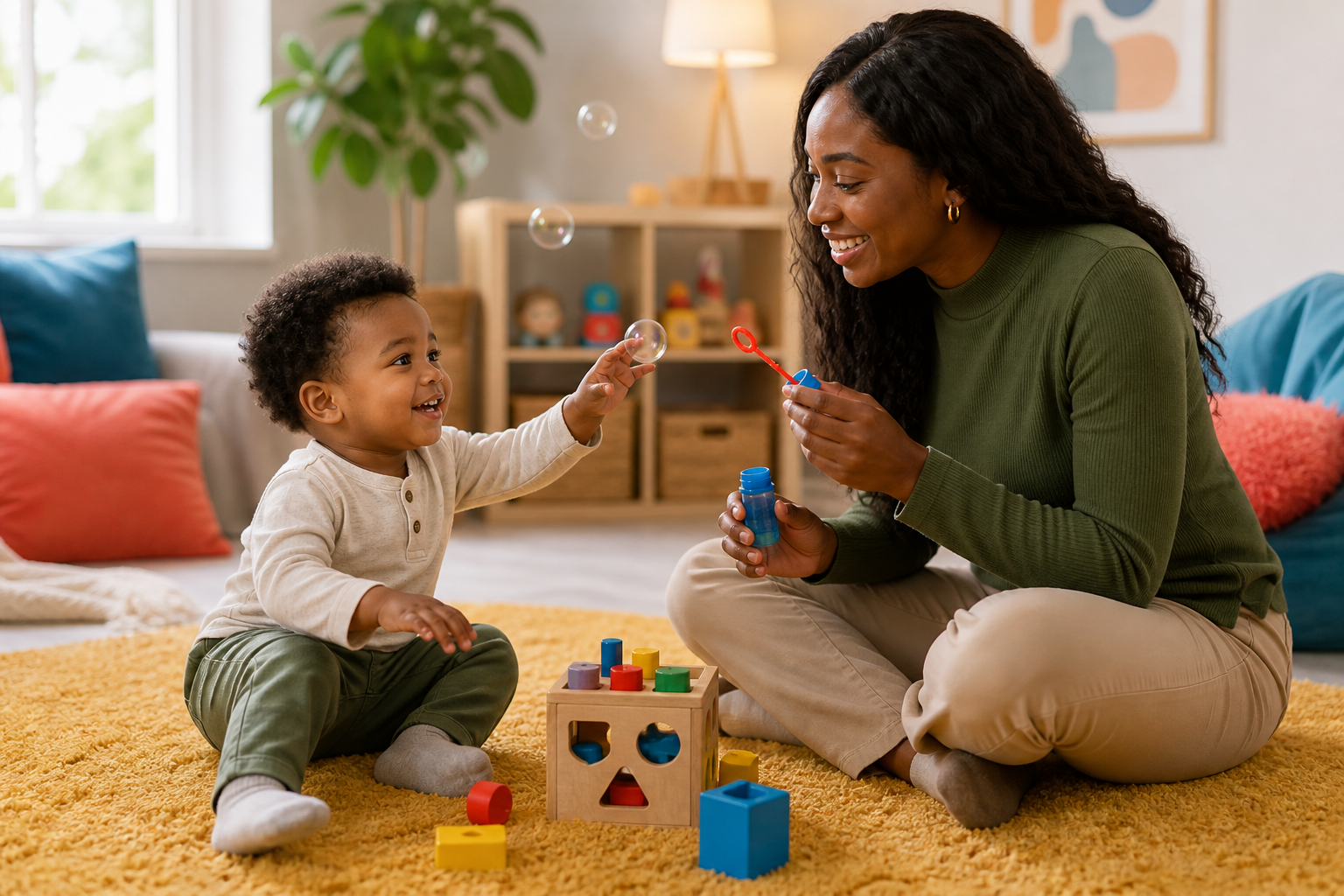
Toys like pegboards, lacing beads, puzzles, and shape insertion games strengthen fine motor skills. These skills are crucial for toddlers as they learn to:
- Hold crayons
- Use utensils
- Dress themselves
- Manipulate small objects
Therapists recommend these toys to support independence and daily functioning.
5. Cause-and-Effect Toys
Cause-and-effect toys, such as pop-up toys, activity tables, and toys with buttons that trigger reactions, teach toddlers about action and consequence. These toys also help improve:
- Attention span
- Hand-eye coordination
- Motivation to explore and try new actions
At Perfect Pair ABA in North Carolina, we often use these toys during therapy sessions to create engaging learning opportunities.
How Parents Can Use ABA Therapy Toys at Home
ABA therapy toys are most effective when used in a guided, structured way. Here are some tips for parents:
- Structured Playtime: Dedicate short, regular sessions to focus on specific skills. Ten to twenty minutes several times a day works best for toddlers.
- Modeling Behavior: Demonstrate how to use a toy and encourage your toddler to imitate your actions.
- Positive Reinforcement: Praise toddlers for effort and progress to boost confidence and motivation.
- Rotate Toys: Changing toys regularly keeps toddlers engaged and introduces them to different skills.
- Integrate Therapy Goals: Use toys that complement the learning goals recommended by your therapist to reinforce progress.
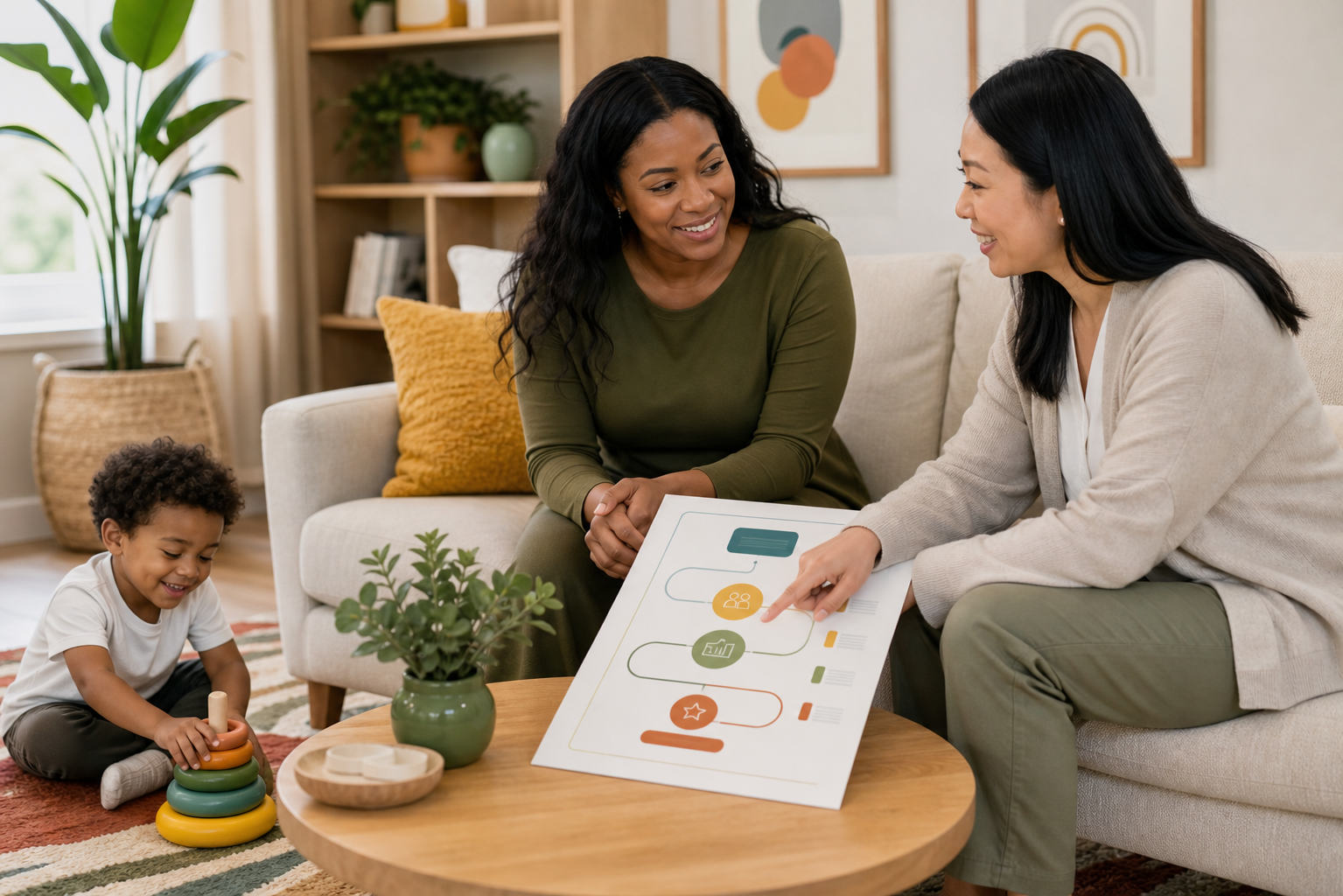
Perfect Pair ABA offers guidance to parents on how to create a structured play environment at home, maximizing learning in a fun and stress-free way.
Benefits of Therapist-Recommended ABA Therapy Toys
Therapist-recommended ABA therapy toys are effective because they are chosen based on developmental needs and proven learning strategies. Benefits include:
- Targeted Skill Development: Each toy focuses on specific abilities, whether cognitive, communication, or motor.
- Engagement: Toddlers are more likely to enjoy activities that feel like play rather than therapy.
- Confidence Building: Successfully completing tasks with these toys fosters independence and pride.
- Consistency Across Settings: Toys used at home reinforce skills learned in therapy sessions.
Choosing the Right ABA Therapy Toys
Not all toys are suitable for every toddler. Choosing the right toy involves considering your child’s age, abilities, and interests:
- Age-Appropriate: Toys should match your toddler’s developmental stage.
- Safe and Durable: Ensure toys meet safety standards and can withstand repeated use.
- Skill-Focused: Select toys that target specific skills such as communication, problem-solving, or motor coordination.
At Perfect Pair ABA, our therapists in North Carolina work closely with families to select toys that are engaging, effective, and appropriate for each child’s needs.
Supporting Learning Through Play
ABA therapy toys are most effective when play is structured and intentional. At Perfect Pair ABA, we help families incorporate these toys into daily routines to create meaningful learning opportunities. This approach allows toddlers to gain new skills naturally, while enjoying the process of play.
By combining structured guidance, repetition, and positive reinforcement, toddlers can learn skills that will benefit them long-term. Toys become not just objects of fun, but tools that guide development in a practical, enjoyable way.
Final Thoughts
Therapist-recommended ABA therapy toys are more than just playthings—they are tools that help toddlers develop essential skills while having fun. Parents in North Carolina can enhance learning by selecting the right toys, using them in structured play, and seeking guidance from professionals like Perfect Pair ABA.
By integrating these toys into therapy and daily routines, toddlers can build communication, problem-solving, and motor skills, setting the stage for lifelong learning. Investing in the right ABA therapy toys today ensures toddlers have the support and opportunities they need to thrive.
Frequently Asked Questions (FAQs)
What are ABA therapy toys?
ABA therapy toys are carefully selected toys designed to support skill development in toddlers. They are used during structured play to help children improve cognitive, motor, and communication abilities. These toys make learning interactive and fun while reinforcing important developmental skills.
How can ABA therapy toys benefit toddlers at home?
These toys give toddlers the chance to practice skills they learn during therapy sessions. They encourage independence, problem-solving, and confidence in a playful setting. Using these toys at home allows learning to continue beyond formal therapy, making skill-building consistent and enjoyable.
Can parents use these toys without professional guidance?
Yes, parents can use these toys at home, but guidance from a therapist makes their use more effective. Perfect Pair ABA in North Carolina helps parents integrate toys into daily routines to reinforce learning goals. This ensures playtime is both educational and supportive of each child’s development.
Are these toys safe for toddlers?
Yes, therapist-recommended ABA therapy toys are designed to be safe and durable for toddler use. Parents should always supervise play to prevent accidents or choking hazards. Safety combined with guided play ensures toddlers can learn confidently and securely.
How do I choose the right toy for my toddler?
A therapist can recommend toys that match your toddler’s developmental level and interests. Choosing appropriate toys ensures that skill-building is effective and engaging. Selecting the right toy also helps maintain your child’s interest while supporting targeted learning goals.
How often should my toddler play with ABA therapy toys?
Short, consistent play sessions throughout the day work best for toddlers. Ten to twenty minutes at a time helps reinforce learning without causing frustration. Regular practice encourages skill retention and makes learning a natural part of daily routines.