


Early childhood is the foundation of lifelong learning. During the toddler years, the brain grows quickly, forming new pathways every day. These early stages are the perfect time to introduce tools and aba therapy games that strengthen thinking skills, build problem-solving abilities, improve communication, and support emotional growth.
At Perfect Pair ABA in North Carolina, our team works closely with families to support children using simple, structured, and joyful learning methods. One of the most effective ways we help toddlers learn is through play. When games are purposeful and designed thoughtfully, they do far more than entertain—they help build the early thinking skills toddlers will use for the rest of their lives.
In this detailed guide, we will explore how toddler brain development works, why structured play matters, and which aba therapy games help toddlers think, remember, plan, and make sense of the world around them.
Understanding Toddler Brain Development
The toddler stage, typically between ages 1 and 3, is a period of rapid learning. Toddlers begin to recognize patterns, understand routines, solve simple problems, and follow basic instructions. At Perfect Pair ABA, we see how quickly toddlers can make progress when they have the right tools at home and during sessions.
Some key areas of toddler brain development include:
1. Early Thinking & Reasoning: Toddlers begin exploring cause-and-effect—understanding that their actions lead to results. This skill is essential for problem-solving and decision-making.
2. Memory Development: Toddlers start remembering shapes, words, people, routines, and locations. Games that encourage repetition and matching strengthen memory.
3. Language Growth: Toddlers begin naming everyday items, recognizing sounds, and understanding simple directions. Play-based games grow these skills naturally.
4. Attention & Focus: Short attention spans are normal, but structured play helps toddlers learn to stay engaged for longer periods.
5. Imitation & Learning Through Observation: Toddlers copy gestures, actions, and words. The right games reinforce positive learning patterns.
Every child develops differently, but aba therapy games can support this natural growth in a structured and enjoyable way.
How ABA Therapy Games Support Toddler Thinking Skills
As providers at Perfect Pair ABA, we choose games that are meaningful, age-friendly, and designed to support essential developmental skills.
Aba therapy games are not random toys—they are intentional learning tools. These games help toddlers practice:
- Matching
- Sorting
- Remembering
- Following instructions
- Imitating actions
- Making simple choices
- Connecting ideas
- Exploring problem-solving
When toddlers interact with these games consistently, they build stronger brain pathways and gain skills that support learning in daily routines.
Top ABA Toys and Games That Strengthen Thinking Skills
Below is a helpful list of effective aba therapy games that we often recommend to parents aba therapy in North Carolina and use in our own programs at Perfect Pair ABA. These games encourage toddlers to think, observe, and actively learn.
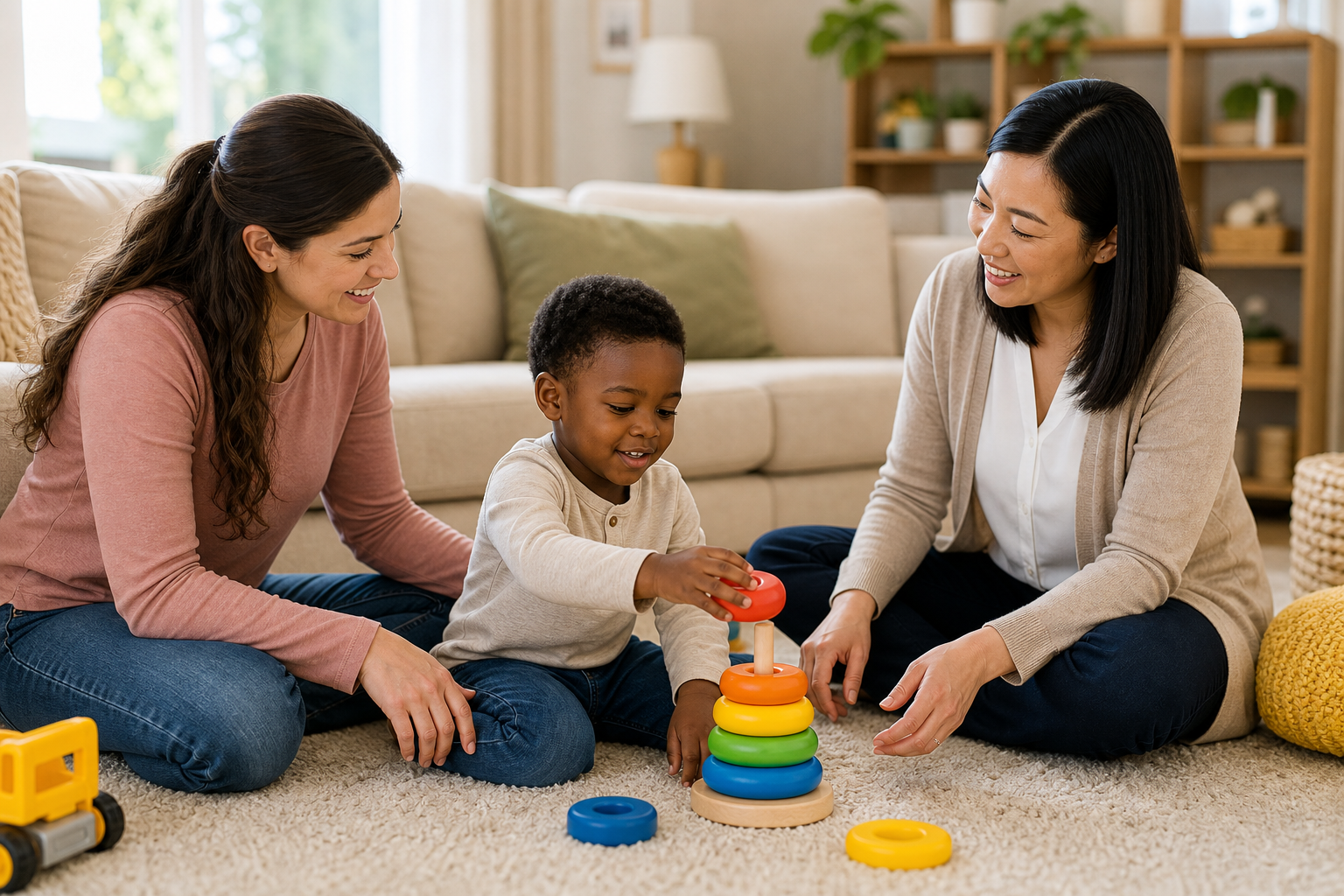
1. Stack-and-Sort Blocks
Block sets that come in colors, shapes, and sizes are powerful thinking tools.
They help toddlers learn:
- Matching skills
- Early planning
- Problem-solving
- Hand coordination
When toddlers stack or sort blocks, they begin recognizing differences and similarities—key building blocks of early learning.
2. Shape Puzzles
Simple wooden puzzles with geometric shapes or household items encourage thinking skills through trial and error.
Puzzles teach toddlers to:
- Identify shapes
- Improve memory
- Understand spatial relationships
- Practice problem-solving
At Perfect Pair ABA, we use puzzles during sessions because they gently push toddlers to think without overwhelming them.
3. Color Sorting Cups
Sorting games are some of the most effective aba therapy games for strengthening cognitive skills.
These toys help toddlers:
- Learn categories
- Recognize patterns
- Improve attention
- Build early math concepts
Sorting is an essential early foundation for academic learning later in life.
4. Matching Card Games
Picture matching cards are incredibly powerful for memory building.
Toddlers begin to:
- Recognize images
- Build visual memory
- Strengthen attention
- Practice turn-taking
At Perfect Pair ABA, we incorporate matching games into home sessions so parents can easily continue them between visits.
5. Cause-and-Effect Toys
These are toys that create a reaction when the toddler presses, twists, or moves something.
Examples include:
- Pop-up toys
- Switch-and-light toys
- Push-button music toys
These activities help toddlers understand early logic and build curiosity, which strengthens long-term thinking skills.
6. Simple Board Games for Toddlers
Yes—toddlers can play board games when they are age-appropriate! Many aba therapy games include short, simple tasks where toddlers learn to wait, respond, and follow steps.
These games build:
- Planning skills
- Direction following
- Focus
- Social thinking
Board games also support parent-child bonding, making practice more enjoyable.
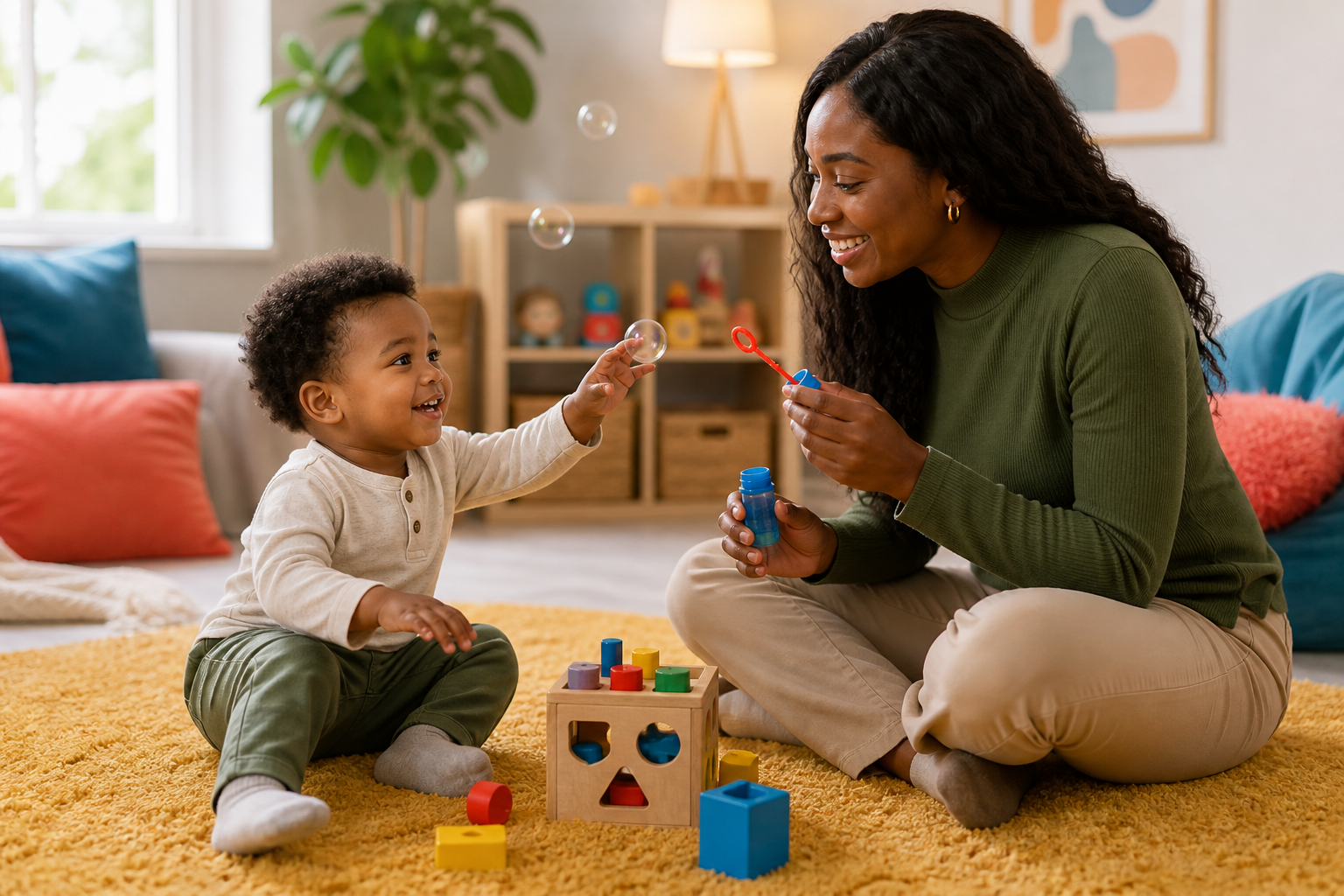
7. Object Hiding Games
Peek-a-boo style games or hiding objects in containers help toddlers learn memory skills and problem-solving.
These games teach:
- Searching
- Predicting
- Recognizing patterns
- Building curiosity
Perfect Pair ABA often recommends these for toddlers learning early imitation and exploration skills.
8. Pull, Push, and Slide Toys
These toys require toddlers to move small parts to uncover something.
This type of play supports:
- Logical thinking
- Planning
- Fine motor development
- Cause-and-effect understanding
These aba therapy games help toddlers slow down, observe, and think before acting.
How Parents in North Carolina Can Support Thinking Skills at Home
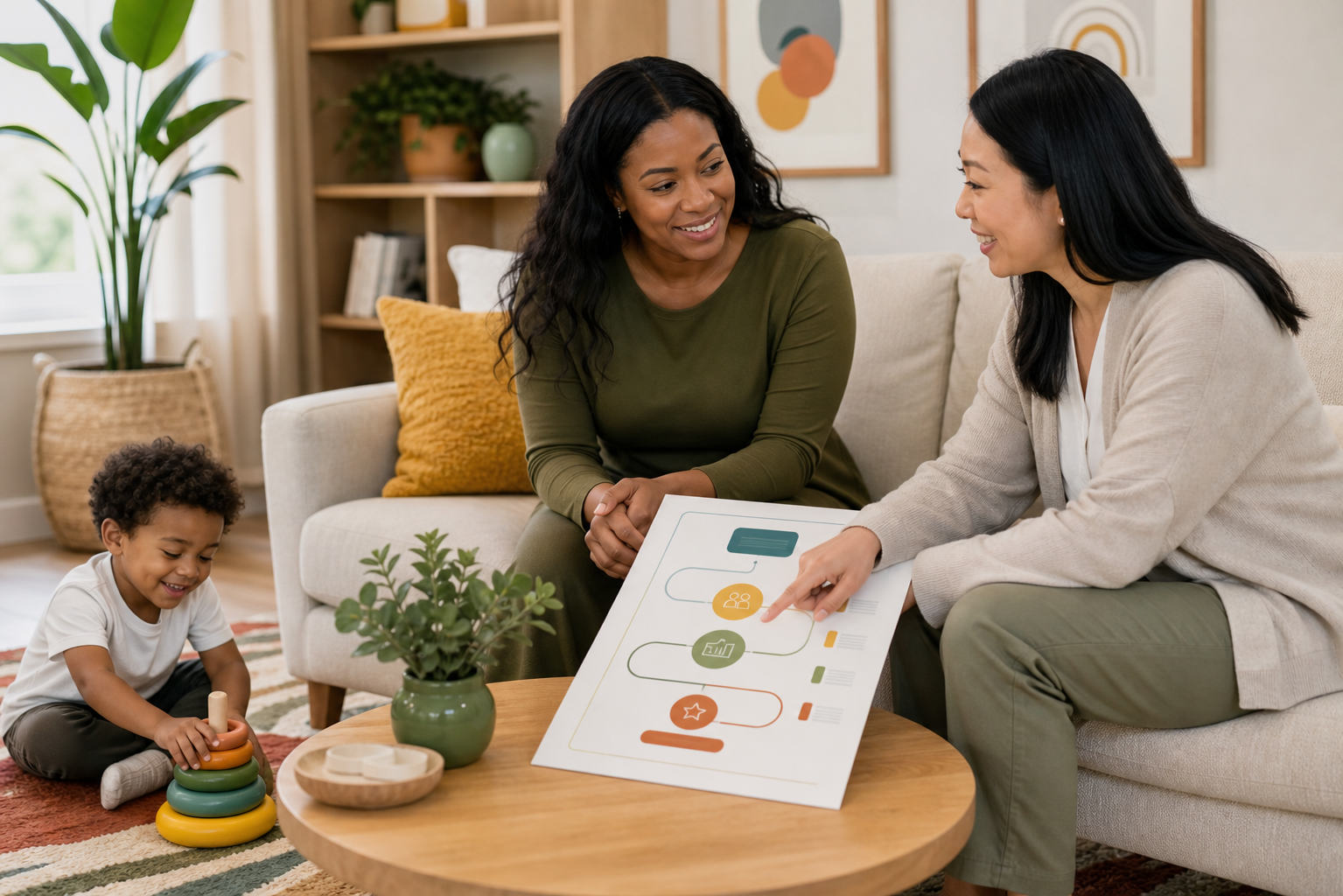
At Perfect Pair ABA, we encourage families to integrate structured play into daily routines. You don’t need expensive toys—just consistency and simple methods.
Here are some ways to support toddler learning at home:
1. Play With Purpose: Choose toys that ask the toddler to sort, match, remember, or build. These activities naturally develop thinking skills.
2. Model Actions First: Show your toddler how the game works before asking them to try. Toddlers learn best through imitation.
3. Use Short Steps: Break down play into small, simple actions. This helps toddlers stay focused and practice early problem-solving.
4. Repeat the Same Activities: Repetition strengthens brain pathways. When toddlers play the same game repeatedly, they start learning deeply—not just quickly.
5. Praise Their Efforts: Encouragement builds confidence, which motivates toddlers to explore more and think creatively.
How to Choose the Right ABA Therapy Toys for Effective Skill-Building
Choosing the right ABA therapy toys can make a big difference in how toddlers learn, grow, and build key developmental skills. Parents often feel overwhelmed by the number of toys available, but understanding what to look for can help you choose products that actually support therapy goals. The right toys should encourage learning, be safe for toddlers, and align with the skills your child is currently working on during ABA sessions.
Here are key factors to consider when selecting ABA therapy toys:
- Skill Alignment: Choose toys that support specific goals like communication, fine motor skills, problem-solving, or turn-taking.
- Safety & Durability: Toddlers explore with their hands and mouths, so toys should be non-toxic, sturdy, and free from small parts.
- Open-Ended Play: Toys that can be used in many ways—like blocks or stacking cups—help promote creativity and longer attention spans.
- Easy Reinforcement: Pick toys that your child naturally enjoys. They work great as reinforcement tools during ABA therapy.
- Therapist-Recommended: Always check with your ABA provider for toy suggestions based on your child’s developmental plan.
By choosing toys that match your child’s learning needs, you can boost progress and create a fun, engaging learning environment at home. Parents play a major role in reinforcing ABA strategies, and the right tools make that journey smoother and more effective.
Why Families in North Carolina Choose Perfect Pair ABA
As a trusted provider in North Carolina, Perfect Pair ABA is dedicated to supporting children and families through structured programs, home-based sessions, and supportive learning tools.
We help toddlers grow through:
- Engaging aba therapy games
- Hands-on teaching
- Family collaboration
- Individualized learning plans
- Consistent support at home
Our approach is warm, simple, and designed to honor each child’s pace of development. Families trust us because we focus on progress that feels natural and enjoyable—not rushed.
If you are looking for thoughtful guidance, personalized sessions, and engaging learning tools, our team at Perfect Pair ABA is always here to help.
Final Thoughts
Toddler brain development is an incredible journey filled with curiosity, exploration, and new discoveries. With the right aba therapy games, children can build strong thinking skills that support learning throughout their lives. At Perfect Pair ABA in North Carolina, we believe in making learning joyful, simple, and meaningful.
If you want support choosing the right tools, creating routines, or guiding your toddler’s growth, our team is here to help every step of the way.
Frequently Asked Questions
How do aba therapy games help toddlers build thinking skills?
These games are designed to strengthen early skills like matching, sorting, remembering, and problem-solving. By using structured steps and repetition, toddlers learn to connect ideas and build stronger brain pathways. They also learn through play, which keeps them engaged and motivated.
What type of aba therapy games are best for toddlers at home?
Simple games like puzzles, sorting cups, matching cards, and cause-and-effect toys work extremely well. These games are easy for families to use daily and naturally support thinking skills. You don’t need complex toys—just activities that encourage the toddler to think and respond.
How often should toddlers play aba therapy games?
Short, consistent play sessions throughout the day work best. Even 10–15 minutes two or three times a day can make a big difference. Toddlers learn most effectively through regular exposure rather than long, overwhelming sessions.
Can parents use aba therapy games without professional guidance?
Yes, many games can be played at home without difficulty. However, working with professionals like the team at Perfect Pair ABA ensures your toddler is learning with goals in mind. We guide parents so they understand how to use the games correctly for skill-building.
What makes Perfect Pair ABA different for families in North Carolina?
We focus on a partnership approach—working closely with families, offering practical tools, and ensuring learning feels natural and enjoyable. Our programs include structured play, aba therapy games, and personalized support that helps toddlers grow at their own pace.
Do aba therapy games replace one-on-one support?
These games are helpful tools but not a replacement for professional support. They work best when paired with guidance from trained providers. Perfect Pair ABA uses games alongside personalized plans to help toddlers build strong thinking skills.