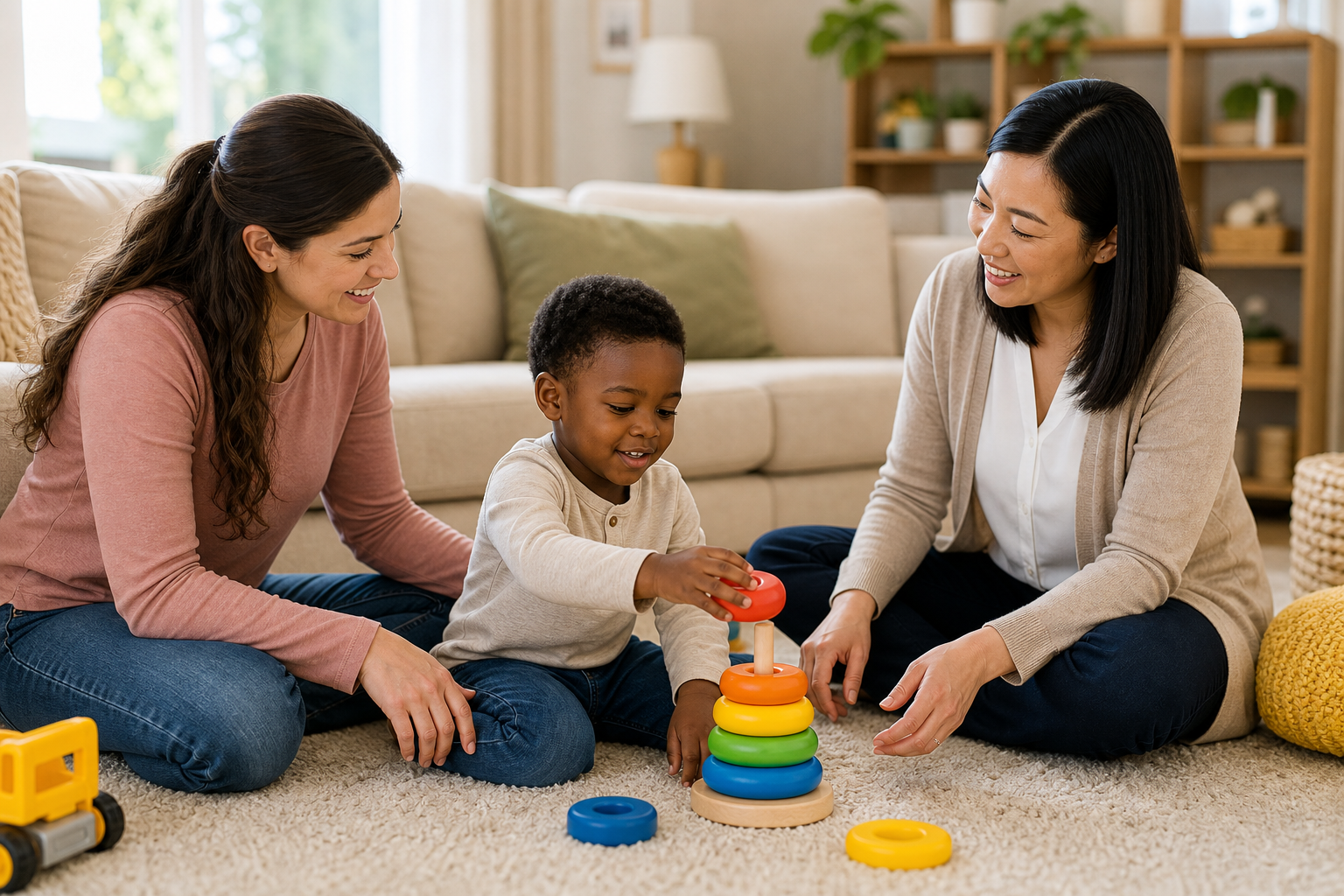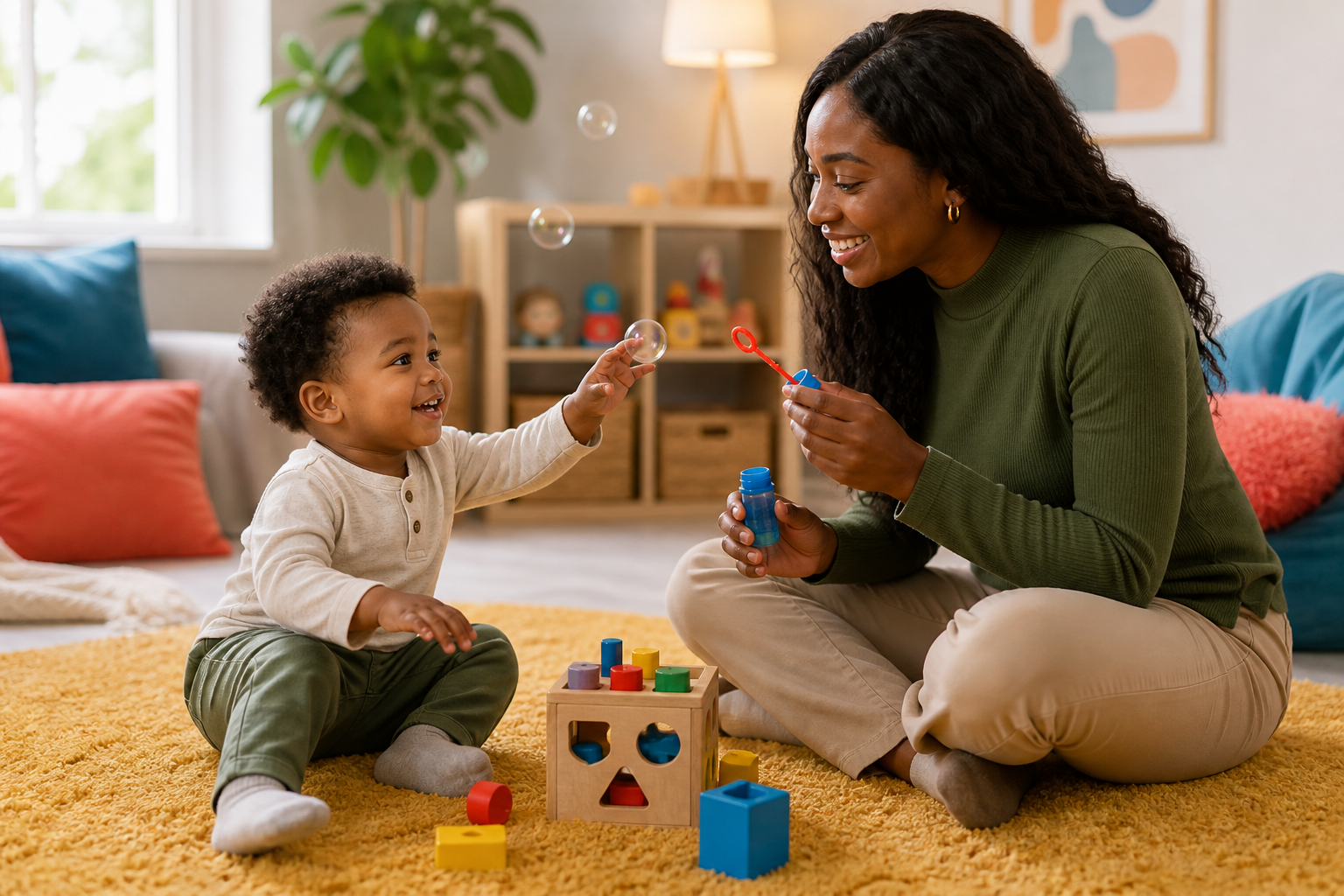



ABA Therapy has become a cornerstone for helping children develop essential life skills, particularly when tailored to meet individual needs. Families in Newport News often seek home based ABA therapy newport news va to provide children with a familiar, comfortable environment where learning can thrive. This personalized approach ensures that children receive targeted support in a setting where they feel safe, paving the way for independence and confidence in their daily activities.
Understanding ABA Therapy
ABA Therapy, or Applied Behavior Analysis, is a structured, evidence-based approach to learning and development. It focuses on reinforcing positive behaviors while reducing barriers to growth, ultimately helping children acquire practical skills that foster autonomy.
The beauty of ABA Therapy lies in its flexibility. Programs can be adapted to the unique needs of each child, ensuring that progress is meaningful and sustainable. Children are not treated as a one-size-fits-all case but rather as individuals capable of growth through consistent, guided practice. This is where custom ABA therapy comes into play, allowing interventions to be tailored to specific goals, whether academic, social, or practical life skills.
Building Daily Living Skills
One of the most impactful aspects of ABA Therapy is its focus on teaching daily living skills. Tasks such as dressing, feeding, grooming, and managing personal space may seem routine, but mastering them is a major step toward independence. Through consistent practice, guided by trained therapists, children gradually learn to perform these tasks with confidence.
For example, a child working with ABA Therapy may start with step-by-step instruction and reinforcement for brushing teeth. Over time, the therapist reduces prompts, encouraging the child to complete the task independently. This gradual approach helps children feel accomplished while promoting self-reliance.
Promoting Social Confidence
Confidence in social interactions is another vital outcome of ABA Therapy. Children often struggle with initiating conversations, understanding social cues, and navigating peer relationships. Through structured exercises, role-playing, and positive reinforcement, ABA Therapy teaches children how to communicate effectively and appropriately in various social settings.

By celebrating small victories, such as asking a classmate a question or taking turns in a game, children build self-esteem and gain the assurance needed to interact confidently with peers. These social successes create a positive feedback loop, motivating further engagement and development.
Enhancing Communication Skills
Effective communication is a critical component of independence. ABA Therapy focuses on teaching children functional communication, including verbal skills, gestures, or alternative communication methods as needed. By fostering clear and purposeful communication, children are empowered to express needs, make choices, and advocate for themselves.
For instance, a child who learns to ask for a preferred activity or express a simple need experiences immediate benefits in autonomy. Each successful interaction reinforces the child’s ability to navigate daily life confidently, reducing frustration and increasing overall well-being.
Encouraging Academic and Cognitive Growth
ABA Therapy is not limited to practical or social skills. It also supports academic and cognitive development by breaking complex tasks into manageable steps. Through structured learning, children can achieve measurable progress in subjects like reading, math, and problem-solving.
Custom ABA therapy programs allow therapists to integrate academic goals into daily routines, reinforcing learning in a natural context. This approach ensures that educational growth occurs alongside the development of life skills, preparing children to function independently both at home and in school environments.
Fostering Emotional Regulation
Emotional self-regulation is essential for building independence. ABA Therapy teaches children to recognize their feelings, manage frustration, and respond appropriately in challenging situations. By employing positive reinforcement and structured interventions, therapists help children develop coping strategies that reduce behavioral challenges and improve overall confidence.
For example, when a child experiences disappointment, a therapist may guide them through identifying the emotion, practicing a calming technique, and responding constructively. Over time, these skills become internalized, promoting resilience and self-assurance in daily interactions.
Collaboration With Families
A key factor in the success of ABA Therapy is the collaboration between therapists and families. Parents and caregivers are equipped with strategies to reinforce learning at home, creating a consistent support system. This collaboration ensures that progress is maintained outside therapy sessions and translates into meaningful independence.
Home-based programs, like home based ABA therapy newport news va, are particularly effective in this regard. They allow therapists to observe children in their natural environment, identify challenges, and provide practical solutions that align with family routines. Parents gain confidence in implementing strategies, further strengthening the child’s growth.
Measurable Progress and Goal Setting
ABA Therapy is data-driven, meaning progress is continuously monitored and goals are adjusted accordingly. Therapists collect data on behavior, skill acquisition, and independence milestones, allowing for precise tracking of improvements.
Setting clear, achievable goals empowers children to experience success regularly. Whether it’s learning to tie shoelaces or independently completing a school assignment, each accomplishment reinforces a sense of competence. This structured approach transforms incremental achievements into long-term confidence and independence.
Creating a Positive Learning Environment
A supportive and engaging environment is crucial for children to thrive in ABA Therapy. Positive reinforcement, clear expectations, and structured routines create an atmosphere where children feel safe to take risks, make mistakes, and learn from them.
Therapists tailor activities to match the child’s interests, ensuring that learning remains motivating and enjoyable. This personalized approach not only accelerates skill acquisition but also fosters a love for learning and exploration, reinforcing independence.
Long-Term Benefits
The benefits of ABA Therapy extend beyond immediate skill acquisition. Children who receive consistent, personalized ABA support often show lasting improvements in independence, confidence, and overall quality of life.
By learning essential life skills, building effective communication, and developing emotional regulation, children are better equipped to navigate school, social situations, and daily living activities. Families report increased satisfaction and reduced stress, knowing their children are gaining the tools necessary for lifelong success.
Tailoring Programs to Individual Needs
Every child is unique, and ABA Therapy recognizes that individuality is key to effective intervention. Custom ABA therapy programs allow therapists to focus on specific strengths, challenges, and interests, ensuring that each child receives support that resonates with them personally.
This flexibility makes it possible to address a wide range of goals, from self-care and academic skills to social interaction and problem-solving. By aligning therapy with the child’s abilities and preferences, ABA Therapy maximizes engagement, motivation, and ultimately, the potential for independence.
Overcoming Barriers to Independence
Children may face various challenges that impede independence, such as difficulty following multi-step instructions or initiating activities. ABA Therapy addresses these barriers by breaking tasks into smaller, achievable steps, using consistent reinforcement, and gradually fading support as competence grows.
This systematic approach ensures that children do not become dependent on adult assistance unnecessarily but instead develop the confidence to take initiative and succeed on their own. Each milestone achieved reinforces the child’s belief in their own abilities.
Success Stories and Real-Life Impact
Countless families have experienced transformative results through ABA Therapy. Children who once required constant guidance are now able to complete daily routines independently, communicate effectively, and participate confidently in social settings.
Parents often share stories of children who learned to dress themselves, prepare simple meals, or engage in meaningful conversations with peers—all achievements directly linked to personalized ABA programs. These successes underscore the powerful role that ABA Therapy plays in fostering independence and self-confidence.
Conclusion
ABA Therapy provides children with structured, individualized support that enables them to gain independence and confidence in daily life. By teaching practical skills, promoting social and emotional development, enhancing communication, and involving families in the learning process, ABA Therapy ensures that children are equipped for lifelong success.
Perfect Pair ABA provides ABA therapy services that support families and enable lifelong success.
FAQs
What is ABA Therapy and how does it help children?
ABA Therapy, or Applied Behavior Analysis, is a structured approach to teaching skills and promoting positive behaviors. It helps children gain independence by breaking complex tasks into manageable steps and reinforcing successes. Through consistent practice, children develop confidence in daily living, communication, and social skills.
How does home-based ABA Therapy work?
Home-based ABA Therapy allows children to receive therapy in a familiar, comfortable environment. Programs are personalized to fit family routines, making it easier for children to practice skills naturally. Home based ABA therapy Newport News VA helps children learn essential tasks at their own pace, enhancing independence and confidence in their daily lives.
What is custom ABA Therapy?
Custom ABA Therapy is a personalized approach where programs are tailored to meet the specific needs, strengths, and challenges of each child. By focusing on individual goals—such as communication, self-care, or social skills—therapists ensure that learning is meaningful and effective, supporting long-term growth and confidence.
What skills can children gain through ABA Therapy?
ABA Therapy can help children develop a wide range of skills, including:
- Daily living skills (dressing, feeding, grooming)
- Communication skills (verbal, non-verbal, or alternative methods)
- Social interaction skills (sharing, turn-taking, understanding social cues)
- Emotional regulation (managing frustration, expressing emotions appropriately)
- Academic and cognitive skills (reading, math, problem-solving)
How long does it take to see results with ABA Therapy?
The timeline for progress varies depending on each child’s unique needs and goals. Some children may notice improvements in a few weeks, while others benefit over several months of consistent therapy. The key is personalized programs and consistent practice, which gradually build independence and confidence.
How are parents involved in ABA Therapy?
Parents play a crucial role in ABA Therapy. Therapists provide guidance and strategies for reinforcing skills at home, ensuring that learning continues outside therapy sessions. Home-based programs allow parents to observe and actively participate, strengthening the child’s progress and confidence.
Can ABA Therapy help with social interactions?
Yes. ABA Therapy focuses on teaching effective communication, understanding social cues, and appropriate responses in different settings. Children practice these skills in structured exercises, which improves confidence and encourages positive interactions with peers.
Is ABA Therapy suitable for all children?
ABA Therapy is highly adaptable and can be customized for children with a wide range of needs and abilities. Personalized programs ensure that each child receives targeted support, helping them develop independence and confidence at a pace that suits them.
How is progress measured in ABA Therapy?
Therapists track progress using data-driven methods, monitoring skill acquisition and behavior changes over time. Goals are adjusted as children achieve milestones, ensuring continuous growth and fostering a sense of accomplishment and confidence.
How do I get started with ABA Therapy for my child?
To begin, consult a qualified ABA Therapy provider who can assess your child’s needs and design a custom program. Many families in Newport News utilize home based ABA therapy newport news va, which combines personalized therapy with practical support for families, promoting independence and confidence in everyday life.