


For individuals with autism spectrum disorder, developing consistent daily routines is an important part of supporting long-term independence and confidence. For families in the Triangle area, accessing professional support can help establish these meaningful life patterns. Autism Therapy Near Raleigh focuses on structured therapeutic approaches that break complex tasks into manageable steps, allowing individuals to gradually build consistency and predictability in everyday activities. This article explains how professional therapy services help children and families work toward developing daily habits that support stability, participation, and personal growth.
The Clinical Foundation of Habit Formation
Developing new habits often requires more than simple repetition. It typically involves a structured process that considers the individual’s learning style, preferences, and environment. In clinical settings, therapy focuses on understanding behavioral patterns and identifying strategies that support the development of constructive routines.
Therapy environments are designed to encourage learning through consistent structure, guided support, and reinforcement. By observing how individuals respond to different teaching methods, clinicians can adjust strategies that support progress in everyday activities.
The goal of therapy is to help individuals practice skills in ways that are meaningful and relevant to their daily lives while maintaining a supportive and encouraging learning environment.
Understanding the Role of Structured Intervention
Professional autism therapy generally begins with a comprehensive evaluation conducted by qualified clinicians. This assessment helps identify areas where individuals may benefit from structured support in developing daily routines. Examples may include morning preparation, participation during mealtimes, or evening routines.
Following the evaluation, clinicians design a personalized therapy plan that reflects the individual’s needs and the priorities of their family. These plans typically focus on teaching skills through structured practice, reinforcement strategies, and gradual skill development.
Positive reinforcement is commonly used to encourage participation in routines. When individuals complete parts of a routine successfully, therapists may provide encouragement or reinforcement that supports continued engagement. Over time, consistent practice helps individuals become more familiar with these patterns.
Generalization: Moving Skills Beyond the Therapy Setting
An important component of therapy involves helping individuals apply newly practiced skills in multiple environments. Clinical teams often focus on generalization, which refers to using learned behaviors across different settings such as home, school, and community spaces.
For example, if a child practices organizing toys during therapy sessions, clinicians may collaborate with parents to support similar routines at home. Practicing the same skills in different environments can help individuals become more comfortable using those behaviors in everyday situations.

Therapy providers may also collaborate with professionals who are part of the individual’s daily routine, including teachers or speech-language pathologists. This coordinated approach helps maintain consistency and ensures that individuals receive similar support across different settings.
Core Daily Habits Addressed in Therapy
Although every therapy program is individualized, certain daily living skills are commonly addressed because they play an important role in independence and participation in everyday life.
Morning and Evening Routines
The beginning and end of the day can involve multiple transitions that may be challenging for some individuals. Establishing predictable routines during these times can help create structure and clarity for families.
Therapy may focus on areas such as:
Personal Hygiene
Activities such as brushing teeth, washing hands, and other hygiene routines may be practiced through structured teaching methods. Therapists often use visual supports or task-based guidance to help individuals understand each step of an activity.
Dressing and Grooming
Children may practice selecting appropriate clothing and managing clothing items such as buttons or zippers. These skills can support personal independence and help individuals participate more comfortably in daily activities.
Preparing for Bed
Developing a consistent evening routine can help create predictable transitions toward bedtime. Therapy may support the development of calm and structured routines that occur before sleep.
Self-Care and Personal Responsibility
Therapy programs may also include opportunities to practice everyday responsibilities that contribute to independence and organization.
Mealtime Skills
Individuals may practice skills related to mealtime participation, including using utensils, sitting at the table, or assisting with simple mealtime routines.
Chores and Organization
Small household responsibilities may be introduced as part of therapy practice. Activities such as placing clothes in a hamper or organizing personal items can help individuals participate in family routines.
Safety Awareness
Recognizing common safety concerns may also be addressed during therapy sessions. These discussions may include awareness of household hazards or navigating common environmental situations.
Therapeutic activities are selected based on relevance to the individual’s environment and daily experiences.
The Structure of a Therapy Session
Understanding how therapy sessions are structured can help families see how daily habits are practiced in a supportive environment. Sessions are typically organized to include both structured learning opportunities and natural interactions that encourage communication and engagement.
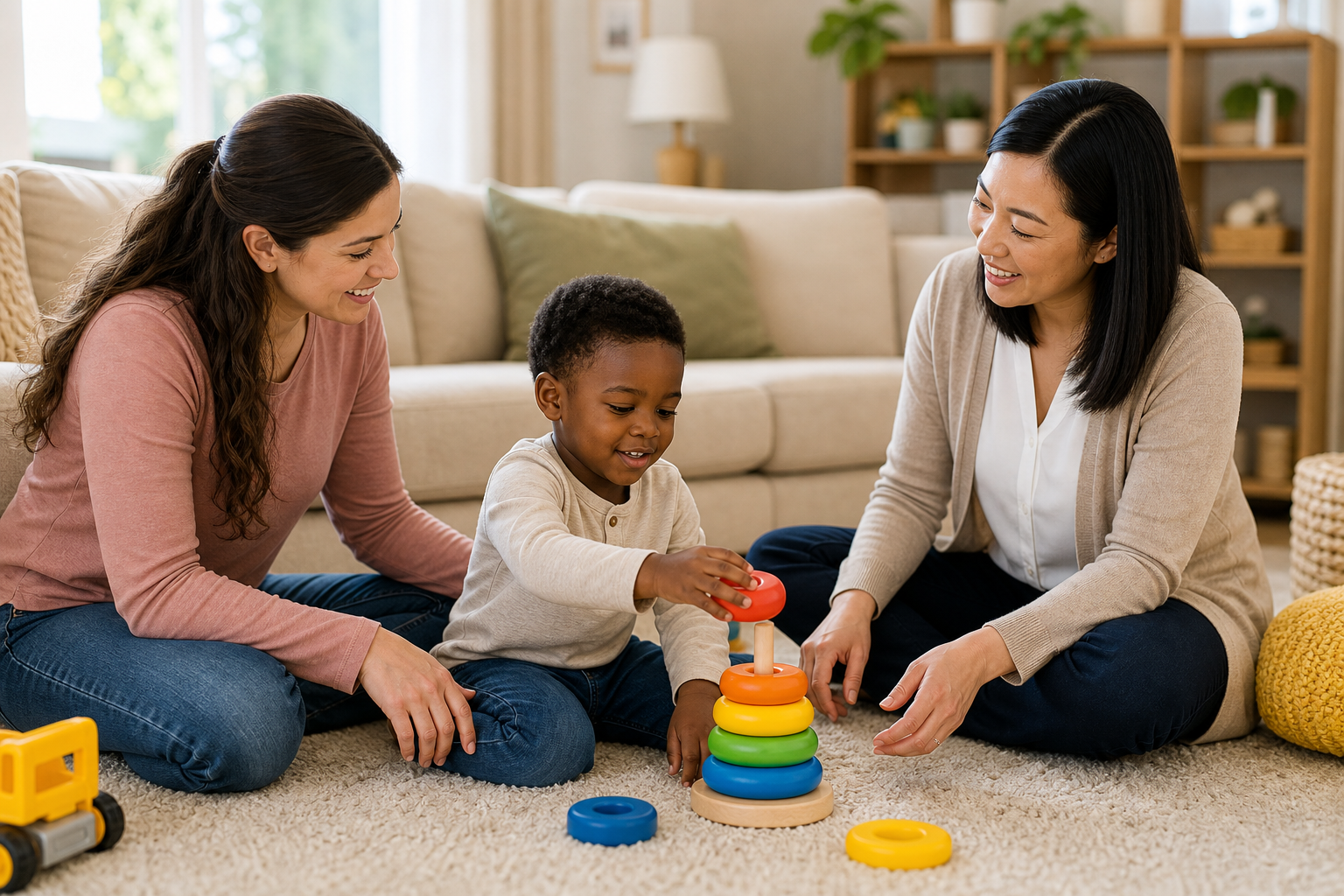
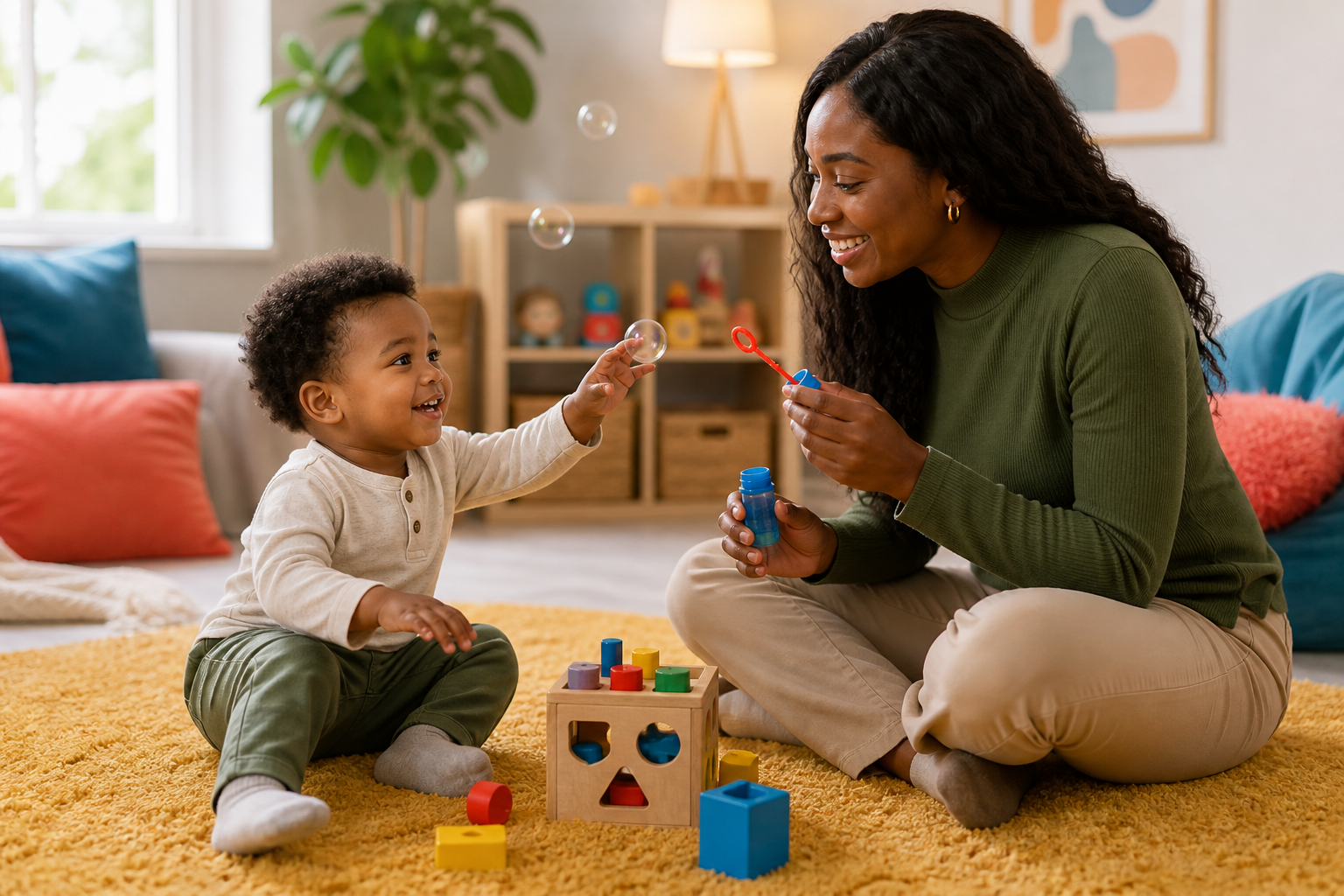
Therapists may introduce targeted activities that relate to daily routines, while also allowing time for play-based learning and interaction. This balanced approach helps maintain engagement while providing opportunities to practice functional skills.
Supporting Children with Consistent Daily Routines
Structured strategies are often used to support the development of predictable daily routines. Therapists may guide individuals through activities step by step and provide encouragement during participation.
Visual supports, clear instructions, and gradual prompts may be used to help individuals navigate transitions between activities. These supports can help create a more organized and understandable daily structure.
Collaboration with caregivers helps extend these routines beyond therapy sessions. When similar strategies are used in both therapy and home environments, individuals have more opportunities to practice emerging skills.
Data-Guided Clinical Decision Making
Many therapy programs include ongoing observation and documentation to understand how individuals respond to different teaching approaches. Clinicians may collect information during sessions to track participation in targeted activities.
This information allows the clinical team to review progress and adjust strategies when necessary. If a particular teaching approach does not appear to be effective, clinicians may modify the method or adjust goals to better support learning.
This ongoing review process helps ensure that therapy remains responsive to the individual’s needs.
The Role of Parents and Caregivers as Partners
Family involvement is an important part of many therapy programs. Parents and caregivers often provide insights into their child’s daily routines, interests, and challenges outside the therapy setting.
These observations help clinicians design strategies that are meaningful and relevant to the individual’s everyday environment.
Consistency Between Sessions
Practicing skills throughout daily routines can help reinforce learning that occurs during therapy sessions. Clinicians may discuss natural opportunities where emerging skills can be supported, such as communication during meals or participation during playtime.
These discussions are intended to help families understand how therapy goals relate to daily experiences.
Open Communication Channels
Regular communication between clinicians and families helps maintain alignment regarding therapy goals and progress. Communication may include brief updates after sessions, scheduled meetings, or progress discussions.
This collaborative exchange of information supports a consistent understanding of the individual’s needs and ongoing development.
Collaboration with Educational Settings
For school-aged individuals, collaboration with educators may support skill development across multiple environments. Therapy providers may communicate with school staff to share strategies that help support participation in classroom routines.
Supporting the School Day
Clinical teams may discuss strategies that help individuals navigate classroom expectations. These may include visual supports for transitions or structured guidance during learning activities.
Such collaboration helps create consistency between therapy sessions and the school environment.
Promoting Peer Interaction
Social interaction is another area that may be addressed within therapy programs. Individuals may practice skills such as taking turns, sharing materials, or participating in group activities.
Practicing these skills in therapy sessions may help support participation in classroom activities and social interactions with peers.
Conclusion
Developing consistent daily habits can play an important role in helping individuals navigate everyday environments with greater confidence and structure. Autism Therapy Near Raleigh focuses on supporting these routines through structured therapeutic approaches, individualized planning, and collaboration with families and educators.
Through guided practice, consistent support, and coordinated communication across environments, therapy programs provide opportunities for individuals to develop meaningful routines that support daily life.
At Perfect Pair ABA, collaboration among clinicians, parents, and children is an important part of the therapeutic process. By focusing on individualized support and engaging therapy sessions, the team works with families to help children practice everyday life skills in a supportive environment.
FAQs
How soon can progress appear with daily routines?
Progress timelines can vary depending on the individual and the skills being practiced. Some routines may begin to show improvement after consistent support, while others may require longer periods of practice. Clinicians typically monitor participation and share updates with families during progress discussions.
What does a typical therapy session look like for habit development?
Therapy sessions often include structured learning activities alongside natural play opportunities. A therapist may guide a child through parts of a daily routine and then incorporate communication or social interaction practice during play-based activities.
How are therapy goals selected?
Therapy goals are generally determined through clinical assessment and family input. Clinicians evaluate which skills are most relevant to the individual’s environment while considering priorities shared by caregivers.
Can therapy address behaviors that affect daily routines?
Therapy programs may focus on communication skills, emotional regulation, and alternative behaviors that support smoother daily participation. These approaches are designed to help individuals engage more comfortably in everyday activities.
How do therapists encourage participation in routines?
Therapists may use individualized encouragement strategies that reflect the individual’s interests and preferences. These supports help maintain engagement while individuals practice daily activities.