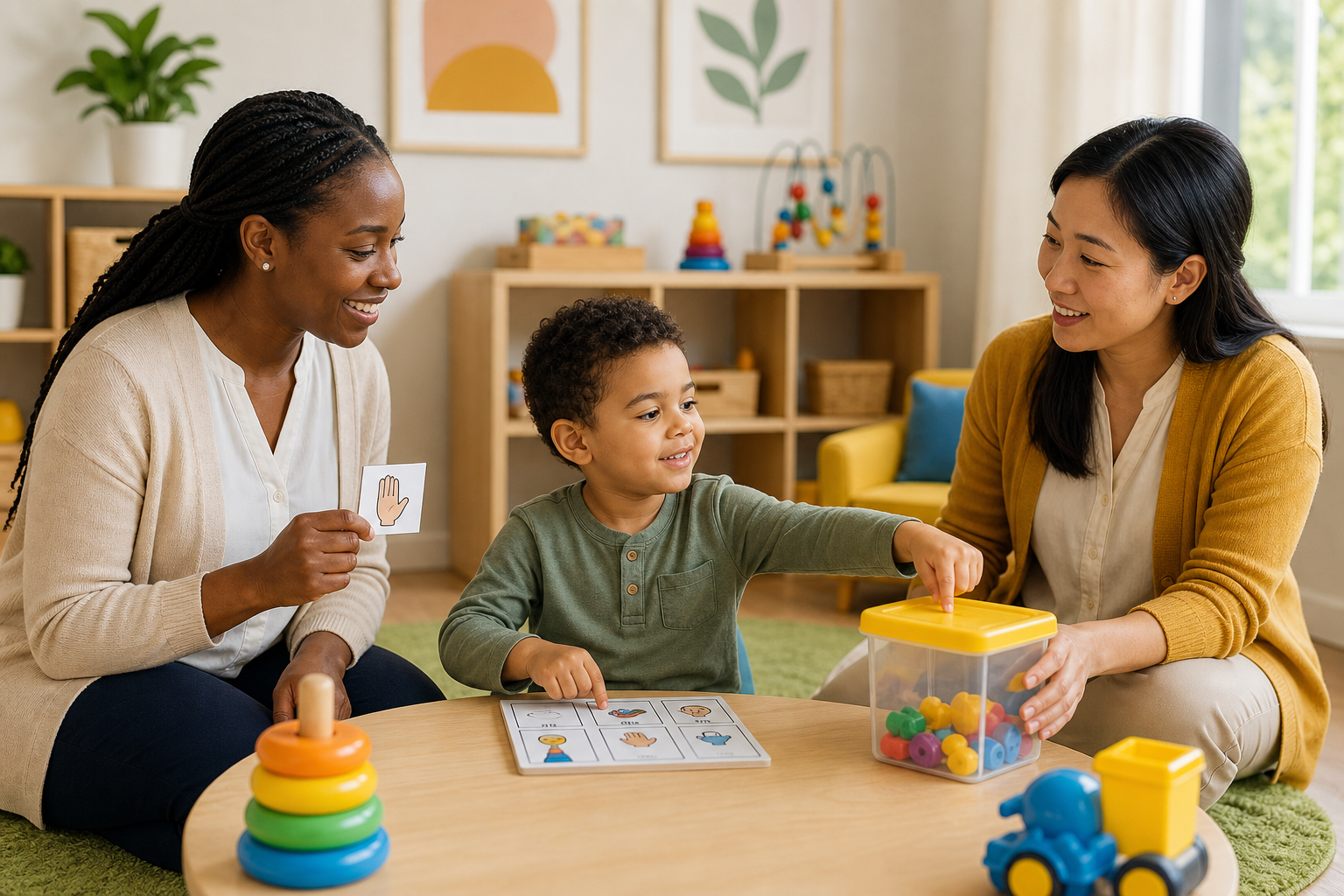



As a parent, preparing your child for Applied Behavior Analysis (ABA) therapy at home can feel both exciting and overwhelming. Home-based ABA therapy offers a structured and supportive environment where children can work on communication, social skills, and behavior strategies with the comfort and familiarity of their own surroundings. When searching for “home ABA therapy near me,” it’s essential not only to find the right provider but also to make sure your child is mentally and physically ready to get the most out of each session.
This article will walk you through everything you need to know about helping your child prepare for in-home ABA therapy. From setting up the physical space to supporting your child emotionally and coordinating with ABA providers, each step plays a critical role in creating a smooth and successful therapy experience.
1. Understand the Basics of Home ABA Therapy
Before beginning, it’s essential to understand what home ABA therapy involves. ABA therapy focuses on reinforcing positive behaviors and reducing behaviors that may interfere with learning and development. When done at home, it allows the therapist to work with the child in real-life situations like mealtime, playtime, or during family routines.
Many parents search for “home ABA therapy near me” to find convenient and personalized care options. Home therapy also provides caregivers with the opportunity to be actively involved in each session, helping to maintain consistency between therapy and daily routines.
2. Choosing the Right ABA Providers
Not all ABA providers are the same. It’s important to select a team that is licensed, experienced, and compatible with your family’s values and schedule. When evaluating ABA providers, consider the following:
- Do they have experience with in-home therapy services?
- Can they customize therapy plans to fit your child’s needs?
- Do they offer regular parent training and updates?
- Are they familiar with your region, such as home ABA therapy Richmond VA, if you’re based in that area?
Once you find the right provider, they will typically start with an initial assessment to develop an individualized treatment plan tailored to your child.
3. Prepare Your Home Environment
Your home should be an inviting and low-distraction setting that helps your child focus during ABA sessions. While your entire home doesn’t need to be transformed, having a designated therapy area can make a big difference.
Tips for setting up your home for therapy:
- Designate a consistent space such as a small room or corner where therapy will regularly take place.
- Keep toys, books, and learning tools organized and accessible.
- Minimize background noise by turning off TVs or music during sessions.
- Ensure good lighting and ventilation for a comfortable experience.
- Use chairs, tables, or cushions as needed to support physical comfort.
By setting up a consistent space, your child will quickly associate it with learning and engagement.
4. Talk to Your Child About What to Expect
Children may be unsure or even anxious about starting something new. Preparing your child emotionally is just as important as creating the right physical setting.
Here’s how to introduce ABA therapy to your child:
- Use age-appropriate language to explain who will be coming and why.
- Emphasize that the sessions will include fun activities and help them learn new things.
- Reassure them that you’ll be nearby and involved.
- Consider doing a short video call or meeting with the therapist beforehand to build familiarity.
Consistency and positivity are key. The more comfortable your child feels about the therapist and the sessions, the more likely they are to engage meaningfully.
5. Establish a Routine Before Sessions Begin
Children thrive on routines. Creating a predictable schedule around therapy can help your child feel more secure and prepared.
Sample routine for therapy days:
- Wake up at the same time each day.
- Eat a light snack or meal before the session to avoid hunger-related distractions.
- Use a visual calendar or checklist to show when therapy will happen.
- Include time for breaks and rewards after the session.
By developing a pre-therapy routine, your child knows what to expect, which can reduce resistance or frustration.
6. Coordinate with the Therapist for Smooth Transitions
Collaboration between parents and therapists is essential for the success of any home-based ABA therapy program. Before the first session, communicate with your therapist about your child’s interests, dislikes, and any routines that may impact their behavior.
Key things to discuss:
- How your child reacts to new people.
- Favorite toys or reinforcers.
- Triggers for challenging behaviors.
- Preferred rewards or motivators.

Open communication helps the therapist build rapport quickly, which leads to more productive sessions from the start.
7. Be Present and Involved During Sessions
One of the biggest advantages of in-home therapy is the opportunity for parents and caregivers to participate. Observing or being involved in sessions allows you to learn strategies and techniques that you can continue outside therapy hours.
Ways to stay involved:
- Take notes during sessions (if appropriate).
- Ask questions at the end of each session.
- Practice techniques during regular daily routines.
- Attend scheduled parent training sessions provided by the therapist.
This hands-on involvement not only supports your child’s progress but also strengthens your relationship with the therapy team.
8. Monitor Progress and Celebrate Small Wins
ABA therapy is most effective when progress is monitored and reinforced. Work with your ABA providers to track milestones, goals, and behavioral changes.
Even small improvements deserve recognition. Whether it’s improved eye contact, following a new instruction, or expressing a want verbally, celebrate each success with positive reinforcement. Encouragement motivates your child to continue learning.
9. Troubleshoot Common Challenges
While in-home ABA therapy offers many benefits, you may face a few obstacles, especially during the initial weeks.
Common issues and solutions:
- Resistance to starting sessions: Use preferred toys or rewards to ease transitions.
- Distractions in the home: Remove unnecessary items or relocate sessions to a quieter space.
- Fatigue or low energy: Schedule therapy during your child’s most alert hours, such as mid-morning.
If any issue persists, bring it up with your therapist. They are trained to adapt and troubleshoot alongside the family.
10. Evaluate and Adjust the Plan as Needed
Just like any other treatment program, home ABA therapy is not static. It evolves based on your child’s progress, needs, and preferences. Regular check-ins with your ABA team help ensure that goals are relevant and techniques remain effective.
If you’re in specific areas such as home ABA therapy Richmond VA, look for local resources and support groups where you can connect with other families going through similar experiences. You can also periodically search “home ABA therapy near me” to explore any new providers, tools, or workshops in your area.
Final Thoughts
Helping your child get ready for in-home ABA therapy takes time, patience, and a collaborative mindset. From creating a supportive environment to establishing routines and staying actively involved, each step plays a part in building a strong foundation for long-term growth and learning.
Choosing the right ABA providers and communicating regularly with them can make a tremendous difference in how your child responds to therapy. Whether you’re seeking “home ABA therapy near me” for convenience, comfort, or personalized care, the journey starts with preparation—and your involvement is key.
By following the strategies outlined above and staying consistent, you are not only setting up a successful ABA therapy experience but also empowering your child to reach their full potential through tailored autism therapy services delivered right at home.
Perfect Pair ABA provides family-centered ABA therapy to promote meaningful and lasting change.
FAQs
What is home ABA therapy, and how does it work?
Home ABA therapy is a structured program delivered in a child’s home environment, focusing on teaching positive behaviors and skill-building through evidence-based techniques. A trained therapist visits the home regularly and works one-on-one with the child to improve communication, social, and functional skills. Parents often search for home ABA therapy near me to find local and convenient services tailored to their family’s needs.
How do I find reliable ABA providers for in-home services?
Begin by researching local ABA providers online, reading reviews, and checking credentials such as board certification (BCBA or RBT). You can also ask your pediatrician or local support groups for recommendations. If you’re based in a specific area, like home ABA therapy Richmond VA, narrow your search to providers familiar with your region and local care standards.
What should I do to prepare my child for their first ABA therapy session at home?
Start by explaining the purpose of therapy in a way your child understands. Set up a quiet, distraction-free area in your home for the sessions. Maintain a positive tone when introducing the therapist and their role. Creating a routine and using visual schedules can also help your child know what to expect. Consistency and encouragement from you will make the transition smoother.
Is home ABA therapy as effective as clinic-based therapy?
Yes, home-based therapy can be just as effective—if not more—because it takes place in a natural environment where the child spends most of their time. This allows therapists to incorporate real-life routines into learning and lets parents observe and practice strategies. Many families opt for home ABA therapy near me due to the flexibility, convenience, and personalized attention it offers.
What should the therapy space at home look like?
The space doesn’t need to be large, but it should be consistent, quiet, and free from distractions. Include a small table and chairs, preferred learning materials, and a few motivating toys or tools recommended by your therapist. A well-organized and comfortable setup helps your child stay engaged and makes sessions more productive.
Can I be present during my child’s therapy sessions at home?
Absolutely. In fact, most ABA providers encourage parental involvement. Watching sessions helps you learn effective strategies and maintain consistency between therapy and everyday life. Some providers may also offer caregiver training to empower you with tools to reinforce learning outside of sessions.